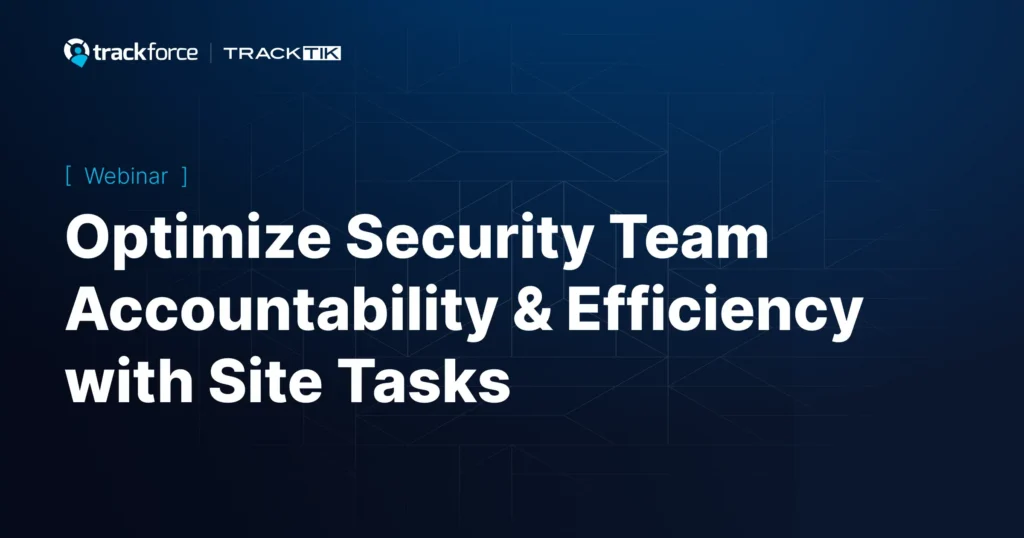
Comment effectuer une inspection d'un poste de sécurité

Trackforce
April 29, 2021 · 9 min read
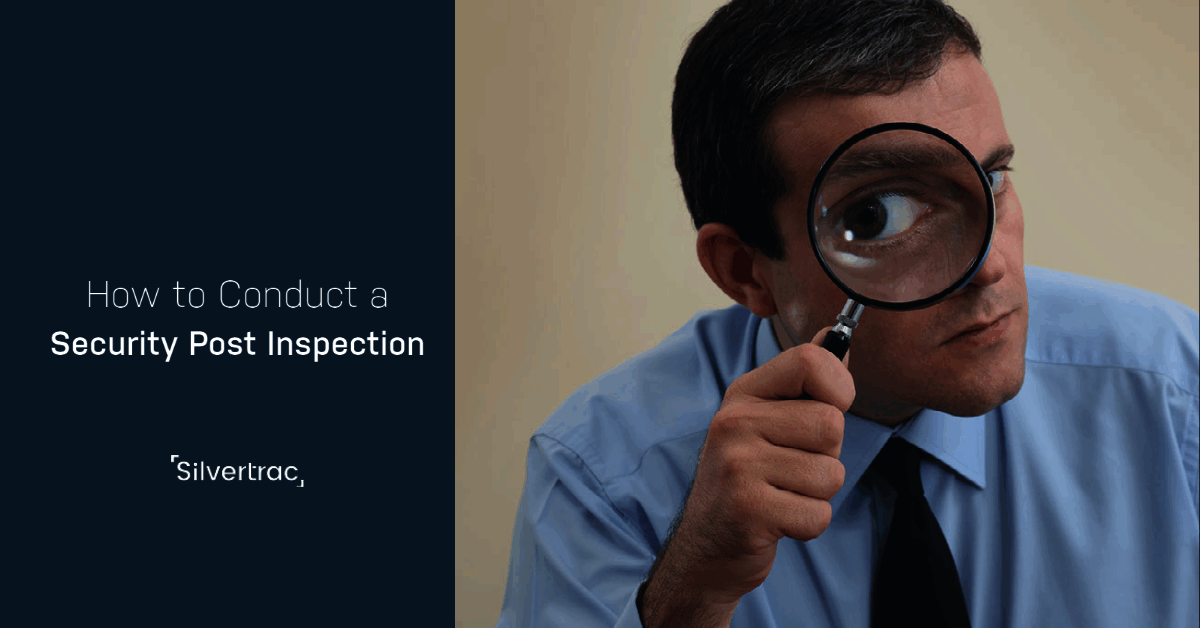
Les inspections des postes de sécurité constituent un élément indispensable des activités quotidiennes de toute entreprise de sécurité. Savoir comment mener ces inspections est un moyen simple de s'assurer que les besoins de vos clients sont satisfaits et que vos agents de sécurité disposent de l'équipement nécessaire pour accomplir leur mission.
Unfortunately, many security companies fail to conduct effective inspections, resulting in lost accounts that are costly to their bottom line. This article will look at what post inspections look like in most companies and how to make them more effective to get, keep, and grow your customer base.
Points clés à retenir
- Inspections are more than “gotcha” checks.
Used well, they improve service, support officers and protect accounts. - Check in with the officer first.
Questions about schedules, teamwork, pass-downs and equipment reveal fixable problems. - Walk the property together.
Seeing the site with the officer shows what needs to change and shows you value their work. - Prepare before every visit.
A calendar, a checklist for each post and recent daily activity reports make inspections focused and fair. - Make inspections part of your record.
TrackTik captures inspection findings, tracks follow-up tasks and shares results with clients.
La réalité des inspections après la livraison aujourd'hui
La plupart des entreprises se contentent d’utiliser les contrôles des postes de sécurité pour repérer ceux qui dorment au travail ou qui ne sont pas à leur poste. Elles envoient un responsable sur un poste choisi au hasard, à l’improviste, dans l’espoir de surprendre un agent en train de se relâcher manifestement.
With all this focus on guard accountability, there’s a missed opportunity to use the security inspection as a way to improve your service offering. If the supervisor is just trying to catch a guy sleeping, they might miss getting information on ways to improve the process, tools that might be required, or an on-site problem going unaddressed.
De plus, utiliser les inspections a posteriori comme un moyen de « prendre les agents en flagrant délit » vous place dans une situation conflictuelle avec vos agents de sécurité, au lieu que vous ne formiez tous les deux une même équipe cherchant à améliorer vos services de sécurité. Les inspections devraient avoir pour objectif d’établir et de maintenir des normes internes et celles des clients, plutôt que de se contenter de vérifier que les agents respectent l’exigence minimale d’être présents et éveillés.
Mise en place de normes internes
Chaque fois que je menais une inspection a posteriori, je commençais par prendre personnellement des nouvelles de l’agent, en m’assurant qu’il allait bien et en m’assurant que nous formions bien une même équipe. Ensuite, je posais les questions suivantes :
- Comment se passe l'emploi du temps pour toi ?
- Que penses-tu des autres membres de l'équipe ?
- How viable are the pass down & BOLO (Be On the Look Out) notes from the previous officer(s)?
- Pouvez-vous arriver 5 minutes plus tôt pour prendre la relève de votre collègue à l'heure prévue, et votre relève se fait-elle à l'heure prévue ?
- Votre équipe fournit-elle des informations pertinentes et tout le monde communique-t-il et travaille-t-il efficacement ensemble ?
- Est-ce que des clés ou du matériel sont égarés ?
- Établissez-vous de bonnes relations avec vos clients ou les visiteurs sur place ?
- Are you comfortable using the guard tour system?
These questions ensured that our own security post orders and standard operating procedures were being met and helped me to identify areas that I could improve, such as shuffling around scheduling or adding better communication tools.
Au-delà des simples vérifications auprès de vos agents de sécurité, la création et la mise à jour d'une liste de contrôle de sécurité permettront de communiquer clairement aux agents ce que l'on attend d'eux à un poste donné. Ainsi, lorsqu'une inspection de poste devra avoir lieu, toutes les personnes impliquées dans cette inspection sauront quelle qualité de service est attendue, sur la base de cette liste de contrôle.
Définition des normes relatives à la clientèle
The best way to make sure customer requirements are being met is to actually walk the property with your officer. This will give you more of an opportunity to see all of the possible issues that need to be addressed and make it easier to demonstrate anything you want the officer to change right where it needs to happen.
Assurez-vous de bien connaître les consignes relatives à la gestion des postes de contrôle. Vous ne voulez pas vous retrouver dans une situation où vous devrez demander à l'agent de sécurité ce qu'il faut faire, car cela risquerait de faire perdre aux équipes de terrain une partie du respect qu'elles vous portent.
By showing up and walking the site with your guard, you demonstrate your understanding of what he faces in the field, your appreciation for his effort, and the importance you place on the incident reports he sends back to the office.
On the customer-facing side, showing them exactly what your guards are doing on-site by sharing security checklists through a client portal is a simple way to maintain communication, transparency, and trust.
Prepare for Inspections
Une bonne préparation est absolument essentielle pour garantir que vos inspections a posteriori se déroulent de la manière la plus efficace possible.
On ne peut pas se contenter de se présenter au hasard et espérer mener des inspections efficaces des postes de sécurité. Il est conseillé de tenir un calendrier pour s’assurer de passer régulièrement sur tous les sites, et de préparer à l’avance votre itinéraire sur chaque site. Veillez, lors de cette planification, à prévoir du temps pour les urgences ou les problèmes critiques.
En élaborant et en mettant régulièrement à jour une liste de contrôle de sécurité pour chaque poste, non seulement vos agents sauront ce que l'on attend d'eux, mais vous saurez également exactement ce qu'il faut vérifier lors de l'inspection.
Show up with previous Daily Activity Reports (this is easier if you’ve already gone paperless with an incident reporting software like Silvertrac) so you can walk through them with officers. Going through previous reports shows you and your officers what duties should be performed based on the security checklist, as well as shows officers the value of maintaining accurate reports.
Enfin, essayez de ne pas précipiter les inspections après les courses ou, si vous disposez d'un temps limité, veillez à en informer les agents afin qu'ils puissent soulever immédiatement tout problème urgent.
Une communication claire est essentielle dans le secteur de la sécurité, et c’est précisément l’objectif que devraient viser les inspections de poste. Plutôt que de vous contenter de vérifier que les agents ne dorment pas dans leur voiture, profitez-en pour leur rappeler les règles à respecter et leur permettre de vous signaler tout problème rencontré sur place.
Security Post Inspection Checklist
Use this checklist on every visit and adapt it to each site’s post orders:
| Zone | Ce qu'il faut vérifier |
|---|---|
| Agent | Uniform, ID and licensing, alertness, attitude and knowledge of post orders |
| Passer commande | Current, accessible and understood by the officer on duty |
| Equipment | Radio or phone charged, flashlight, keys and access cards accounted for |
| Patrols | Tours completed on time with every checkpoint scanned |
| Rapports | Daily activity and incident reports complete, accurate and timely |
| Pass-downs | Notes from the previous shift received and acted on |
| Site conditions | Lighting, locks, gates, hazards and anything that needs maintenance |
| Client relationship | Any feedback, complaints or requests from the client or on-site staff |
Configurable report templates keep every inspection consistent. See how configurable reporting templates standardize reporting.
After the Inspection: Follow Up
- Thank the officer. End on a positive note and recognize what they are doing well.
- Record your findings. Document what you saw, what you discussed and any issues found.
- Assign follow-up tasks. Give each fix an owner and a deadline, such as replacing equipment or updating post orders.
- Close the loop. Confirm each task is complete and tell the officer what changed.
- Share with the client when useful. A short inspection summary shows clients you are actively managing their site.
- Look for patterns. Compare results across sites to spot training or staffing needs.
How Often Should You Inspect a Post?
There is no single right answer. Inspect new posts and new officers more often, high-risk or high-value sites regularly and stable, well-performing posts on a steady cadence. Unannounced visits still have a place, but most inspections work best as planned, supportive check-ins. For more, see how to finally solve the guard accountability question.
How TrackTik Makes Post Inspections Easier
- Consistent inspection reports. Build inspection forms in TrackTik so every supervisor checks the same items and records results the same way.
- Everything in one place. TrackTik guard management gives supervisors tours, incidents and daily activity reports to review before and during the visit.
- Follow-ups that get done. TrackTik Site Tasks assigns fixes with owners and status, so nothing falls through the cracks.
- Trends across sites. TrackTik business intelligence shows inspection and performance patterns by site and officer.
Book a TrackTik demo to see how it supports better post inspections.
Questions fréquemment posées
Derniers articles


Ressources à la une


Découvrez Trackforce en action
Prenez rendez-vous avec notre équipe pour une démonstration et découvrez comment cette solution s'adapte à votre activité.