Conseils pour aider un nouvel agent de sécurité à prendre un bon départ

Trackforce
February 13, 2017 · 9 min read
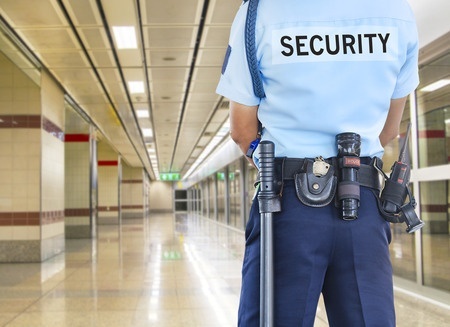
Protective service roles attract a diverse range of people with very different life experiences. A security shift may be staffed by recent graduates or retirees, former military service members or people taking their first job outside the home. Given this diversity, a one-size-fits-all approach to training and readiness rarely works. Security work can be stressful or even hazardous, and it is a role with high turnover nationwide.
The first few weeks of employment can truly make or break a new security officer, so doing all you can to make sure new staff feel confident in their role is incredibly important. Good hiring and onboarding practices lay the foundation. The tips below help you build on it from the first shift.
Points clés à retenir
- The first weeks decide whether a new officer stays.
A confident, well-prepared start reduces early turnover and mistakes on site. - Clear, site-specific instructions come first.
Give new officers current post orders before their first shift, and make them easy to reference on the job. - Train for the person, not just the post.
Former police and military, career changers and first-time workers each need a different emphasis. - Confidence grows from early wins and steady feedback.
Shadow shifts, scenario practice and regular check-ins help new officers carry themselves with authority. - The right tools shorten the learning curve.
TrackTik puts post orders, guided tours, tasks and reporting on every officer’s phone, and gives supervisors visibility to coach new hires early.
1. Make Sure All Written Instructions Are Clear
Getting a new officer off on the right foot begins with the site instructions. Every work site should have post orders written specifically for that site.
A general manual for officer conduct is essential, but it should supplement the site-specific instructions, not replace them. If possible, give your new officer time to review the instructions before they ever set foot on site. Clear, easy-to-understand instructions prepare officers for their first day and give them a reference in the weeks that follow as they settle into their responsibilities.
What site instructions should cover
- Site contacts, including the client representative, supervisor and emergency numbers
- Patrol routes, checkpoints and the expected frequency of each tour
- Access control rules for employees, visitors, contractors and deliveries
- Emergency procedures for fire, medical events, intruders and severe weather
- What to report, how to report it and when to escalate
- Limits of the officer’s authority on that site
Paper binders go out of date quickly. With the TrackTik security guard app, new officers carry current post orders on their phone, and supervisors can confirm that officers have read them. Getting information to your guards this way means a new hire never has to guess what is expected.
2. Know Their Background and Train Accordingly
On-the-job training should not end on the first day. It should be a process of long-term observation and coaching by a supervisor. Be aware of the experience each new officer brings with them.
Former military service members and police officers arrive already familiar with many fundamentals of protective service, but they may be prone to overreach if they do not fully understand the limits of their new role. Those with little or no experience may feel intimidated, or uncomfortable with more responsibility and authority than they are used to. Training and evaluation should help each person reach the expected standard while accounting for these differences.
| Contexte | Strengths they bring | À surveiller : | Axes de formation |
|---|---|---|---|
| Former military | Discipline, situational awareness, comfort with procedure | Applying military rules of engagement to a civilian setting | Legal limits of authority and de-escalation |
| Former law enforcement | Incident handling, report writing, calm under pressure | Overreaching powers they no longer hold | Observe and report, citizen’s arrest limits and client expectations |
| Customer service or retail | Communication and people skills | Hesitation in tense or confrontational situations | Confidence building, scenario practice and escalation |
| First job or career change | Fresh habits and openness to coaching | Feeling overwhelmed or unsure when to act | Shadow shifts, clear checklists and frequent check-ins |
| Experienced officer from another company | Industry knowledge and field experience | Habits that differ from your standards | Your procedures, tools and site-specific expectations |
Training is only effective if it is tracked. TrackTik people management keeps each officer’s licenses, skills and certifications in one place, so new hires are only assigned to posts they are qualified for. To find and fix weak spots early, learn how to eliminate training gaps, and how to train security guards to be security officers.
3. Build Confidence Alongside Competence
One of the most important qualities of a successful security officer is the ability to project confidence and competence. It matters during potential confrontations, and it also reassures clients and gives them a sense of safety every day. These soft skills are just as important as technical knowledge and procedural awareness, and they are among the key traits that define a successful security officer.
Confidence takes time to develop, but patience pays off when your officer comes into their own and can command a work site with authority. You can speed it up by:
- Scheduling shadow shifts with an experienced officer before working a post alone.
- Practicing common scenarios, such as a visitor without credentials or a medical emergency, before they happen for real.
- Walking the first tour together. A TrackTik guard tour guides the officer from checkpoint to checkpoint, so nothing is missed while they learn the site.
- Making report writing easy. ReportPro AI helps new officers turn field notes into clear, professional incident reports from their very first shift.
- Giving specific, early feedback. Recognize what they did well and correct small issues before they become habits.
4. Encourage Learning and Professional Development
Depending on the site, a security officer may have a good deal of downtime during a shift. Encourage officers to use that time productively, when post orders allow, with reading materials and self-paced courses that give them a sense of momentum in their careers. An educated, career-focused officer is worth two who are bored and idle. The time and effort you put into making these resources available will pay off in the weeks and months to come.
Point new officers toward recognized security guard certifications, and show them the career paths available in security. Officers who can see a future with your company are far more likely to stay.
The First 30 Days: A Week-by-Week Checklist
Use this checklist to give every new officer a consistent start, no matter which site or supervisor they are assigned to.
| Quand | Que faire ? |
|---|---|
| Avant le premier jour | Verify licensing and certifications, issue uniforms and equipment, set up the mobile app and share the site’s post orders |
| Day one | Introduce the supervisor and client contact, walk the site, run the first tour together and review emergency procedures |
| Week one | Complete shadow shifts, practice incident reporting and hold a short daily check-in |
| Weeks two to four | Move to solo shifts with supervisor spot checks, review tour and report quality, and run scenario drills |
| Day 30 | Hold a formal check-in, set development goals and ask the officer for feedback on the onboarding experience |
How TrackTik Helps New Officers Get Up to Speed
The right tools shorten the learning curve for new hires and give supervisors the visibility to coach them before small problems become habits. With TrackTik guard management:
- Post orders are always current and available on the officer’s phone.
- Guided tours and site tasks show new officers exactly what to do and when.
- Structured reporting helps officers capture complete information from day one.
- Supervisors see missed checkpoints and late reports as they happen, so coaching is timely and specific.
- Training records and certifications stay with each officer as they grow with your company.
Start Strong, Stay Longer
A new security officer’s first few weeks set the tone for everything that follows. Clear instructions, training tailored to their background, steady confidence building and a path for growth turn new hires into reliable, long-term team members, and help your company deliver consistent service to every client.
Questions fréquemment posées
Derniers articles





Ressources à la une





Découvrez Trackforce en action
Prenez rendez-vous avec notre équipe pour une démonstration et découvrez comment cette solution s'adapte à votre activité.