Surveillez-vous les activités de vos agents de sécurité de manière adéquate ? Qu'est-ce qu'une gestion efficace des agents de sécurité et comment y parvenir ?

Trackforce
January 7, 2021 · 9 min read

Il n'y a aucune ambiguïté lorsqu'il s'agit d'évaluer l'efficacité de l'activité globale de votre entreprise de sécurité : tout se résume à l'analyse de vos résultats financiers. Il en va de même pour l'évaluation de l'efficacité de la gestion de votre personnel de sécurité.
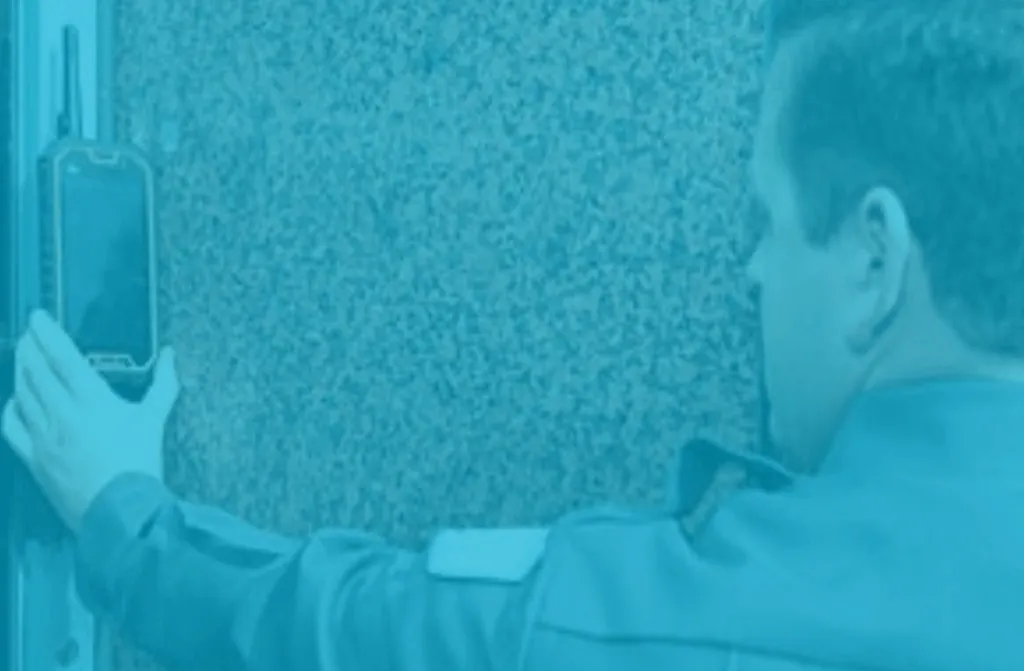
Une gestion efficace des agents de sécurité consiste à suivre et à contrôler l'exécution des tâches ainsi que le statut des agents de sécurité. Ces tâches peuvent inclure, sans s'y limiter : les rapports en cours et les points de contrôle en attente ou incomplets.
Loin d'une approche de type « Big Brother » visant à suivre et à surveiller vos agents de sécurité, une gestion efficace de ces derniers garantira que votre équipe travaille comme un tout et que les sites soient correctement sécurisés à tout moment.
In this article, we’ll cover the two guard activities every security team should monitor first, the metrics that make them measurable, and how TrackTik turns that monitoring into proof your clients can see.
Points clés à retenir
- Start with two activities.
Incomplete guard tours and improper reporting are the activities that most directly affect client trust and contract renewals. - Measure the misses, not just the completions.
Tours ended early, checkpoints skipped and reports flagged for follow-up are the numbers that show where operations leak. - Monitoring is about the task, not the person.
Done well, it gives officers clear expectations and gives supervisors exceptions to act on instead of a feed to watch. - Make it automatic.
TrackTik records tours, checkpoints and reports as the work happens, so the metrics exist without anyone keeping a spreadsheet.
What to Measure: Effective vs. Ineffective Guard Management
Pour évaluer et suivre correctement les activités de votre équipe de sécurité ainsi que la réalisation des tâches, il est important de ne pas se limiter au nombre de patrouilles effectuées par vos agents, mais de prendre également en compte le nombre de patrouilles qui n’ont pas été menées à terme ou qui ont pris fin prématurément en raison d’une situation d’urgence.
1. Incomplete Guard Tours
Des rondes de surveillance incomplètes ont un impact sur la satisfaction des clients et peuvent nuire à votre capacité à respecter les clauses contractuelles. Sans compter que, lorsque vos agents de sécurité ne mènent pas leurs rondes à terme, cela représente un risque considérable pour l’ensemble de vos opérations et pour votre client. Les points de contrôle manqués, ou ceux qui ont été terminés plus tôt ou commencés plus tard en raison d’une urgence ou du retard d’un agent, auront un impact négatif sur le taux de réussite des patrouilles menées à bien et peuvent nuire à la confiance que vos clients actuels ou futurs peuvent avoir en votre capacité à respecter les clauses contractuelles.
Since incomplete guard tours are typically logged and tracked manually either on paper or simple spreadsheets, with the aid of guard activity monitoring tools, supervisors can receive automatic stats visualizing and quantifying the number of rounds their team has missed. This ultimately aids supervisors in proactively preventing incomplete tours from ever happening and in improving the trustworthiness clients can have toward your business.
2. Improper Reporting
Le signalement des incidents est l'un des aspects les plus cruciaux de la gestion d'une opération de sécurité transparente. C'est pourquoi les responsables doivent veiller à ce que les rapports de leur équipe ne présentent jamais de défauts, qu'ils soient mal remplis ou qu'ils contiennent des informations manquantes ou inexactes.
Preventing improper reporting starts with accountability. This means ensuring security guards can easily follow a step-by-step process to complete required reports, such as client-specific SOPs and digital post orders, and supervisors can quickly follow-up without a loss in company or client time.
Standardized reporting that’s directly accessible on a guard’s mobile device allows supervisors to effectively track and eventually measure reporting statuses. Statuses, such as reports that have been flagged as incomplete or requiring a supervisory follow-up, can be monitored with the overarching goal of eliminating outstanding tasks.
Viser une performance opérationnelle optimale
Tools such as real-time activity tracking are used for effective situational awareness. It’s only through a system made to visualize guard activities where security operators can properly monitor and track their guard activities.
Effective guard management relies on two key areas: reporting and checkpoint completion. By tracking and monitoring guard activity, you ensure your team works as a single unit while assuring your clients of your ability to uphold contract agreements. The sections below show how to turn those two areas into numbers you can act on.
Five Guard Management Metrics Worth Tracking
Once tours and reports are captured digitally, a handful of metrics tell you almost everything about how a site is really running. Review them weekly per site and monthly per client.
| Système métrique | Ce que cela signifie | How to use it | Where TrackTik records it |
|---|---|---|---|
| taux d'achèvement des visites | Share of scheduled tours finished end to end | Below your target for two weeks usually means staffing or route design, not effort | Tour history in the security guard tour system |
| Checkpoints on time | Checkpoints scanned inside their expected window | Late clusters at the same time of night point to a coverage gap | Checkpoint scans with time and location |
| Reports completed in shift | Incident and activity reports submitted before the officer clocks out | Chasing reports the next day is the first sign of improper reporting | Report status by officer and site |
| Open follow-ups over 24 hours | Reports flagged for supervisory action that are still open | Keep this at zero; it is what a client notices first | Supervisor task queue |
| Exceptions per site | Missed scans, late check-ins and unresolved incidents combined | Rank sites by exceptions to decide where to spend supervisor time | Operations dashboards in business intelligence |
Monitoring Without the Big Brother Problem
Officers push back on monitoring when it feels like surveillance of people rather than tracking of work. Four principles keep guard activity monitoring on the right side of that line:
- Measure the task, not the person. Track whether the tour was completed and the report was filed, not how an officer spent every minute between checkpoints.
- Share the numbers with the team. Officers who can see their own completion rates hold themselves accountable far more readily than officers who only hear about misses.
- Alert on exceptions, not on everything. A missed checkpoint or an overdue report should reach a supervisor automatically. Routine activity should not.
- Give officers the information to succeed. Clear post orders, checkpoint instructions and report templates on the mobile device remove most of the reasons a task gets missed in the first place.
How TrackTik Makes Guard Management Measurable
TrackTik, the Trackforce platform for security operations, records guard activity as it happens so the two activities in this article are measured automatically rather than reconstructed from paper.
- Guard tours: NFC, QR and GPS checkpoints verify that every tour happened, when, and where, and flag the ones that ended early.
- Reporting: Configurable templates and ReportPro AI turn officer notes into complete, consistent incident reports that supervisors approve in minutes.
- Supervision: Security guard dispatch routes exceptions to the right supervisor, with the site context attached, so follow-ups are closed inside the shift.
- Proof for clients: Inter-Con used TrackTik’s real-time reporting to give clients a live view of site activity instead of a monthly summary.
A Simple Monitoring Routine for Supervisors
Metrics only help when someone looks at them on a schedule. This routine takes a supervisor less than twenty minutes a day and surfaces almost every problem before a client does.
- Start of shift: confirm every post is covered and every officer has the post orders and checkpoint list for the site.
- Mid-shift: check the exceptions queue only. Missed scans and overdue reports get a call; everything else waits.
- End of shift: make sure every daily activity report and incident report is submitted before the officer clocks out.
- Weekly: review tour completion and report completion by site, and talk to the officers behind any site that slipped.
- Monthly: bring the same numbers to the client review, so the conversation is about trends you already know rather than surprises they found.
Measure the Two Activities First, Then Expand
Effective guard management does not require tracking everything. It requires tracking the two activities that clients judge you on, incomplete tours and improper reporting, and acting on the exceptions quickly. Once those are under control, the same data supports scheduling, billing and client reporting. To see how TrackTik records and reports guard activity for a site like yours, request a demo.
Questions fréquemment posées
Derniers articles





Ressources à la une





Découvrez Trackforce en action
Prenez rendez-vous avec notre équipe pour une démonstration et découvrez comment cette solution s'adapte à votre activité.