Comment éviter de payer les téléphones portables professionnels, même en Californie

Trackforce
November 19, 2015 · 10 min read
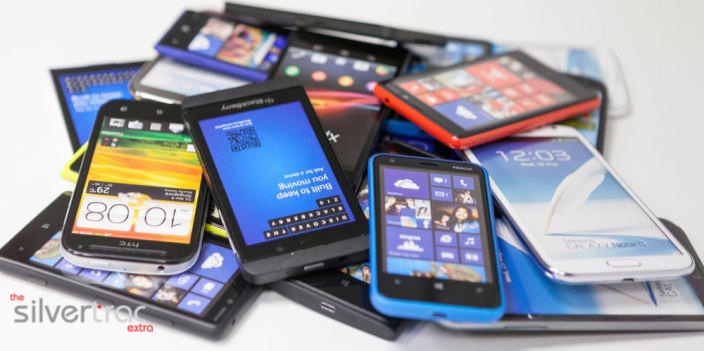
Il y a quelques mois, nous avons consacré un épisode aux avantages et aux inconvénients de l'utilisation de téléphones portables d'entreprise par rapport à une politique de « BYOD » (Bring Your Own Device, ou « apportez votre propre appareil »). Nous avons constaté que, dans l'ensemble, le BYOD est moins coûteux, plus pratique et plus favorable à la satisfaction des employés.
Il y avait toutefois un inconvénient majeur que nous avons omis d'évoquer dans cet épisode. Dans certains États, la réglementation rend beaucoup plus difficile et coûteux le fait que vos employés utilisent leur propre téléphone à des fins professionnelles. C'est particulièrement vrai en Californie.
Heureusement, lors de notre participation à la conférence CALSAGA, nous avons renoué contact avec Lawrence Borgens, client de Delta Protective Services. Lawrence a mis au point une stratégie efficace qui lui permet de mettre en œuvre une politique BYOD sans avoir à supporter des coûts exorbitants ni à enfreindre la législation californienne du travail.
Points clés à retenir
- BYOD is usually cheaper and more popular with officers.
Officers prefer phones they know, and companies skip buying and managing a fleet of devices. - California requires reimbursement.
When officers must use personal phones for work, employers owe a reasonable share of the phone bill. - A simple stipend can cover it.
Delta Protective Services folded phone reimbursement into its existing uniform maintenance allowance. - Put it in a written policy.
A clear BYOD policy and reimbursement method protects both the company and its officers. - The app matters.
TrackTik runs on officers’ own iOS and Android phones and is independently audited for data security.
Le parcours de Lawrence
Lawrence started out in the Marine Corps for a few years before moving into the private security field. He did some work with a private investigator, put himself through a bodyguard school in Aspen, Colorado, and even spent some time in L.A. doing private security for big-name entertainers and executives.
After he tired of L.A., he moved out to Stockton, California and founded Delta Protective Service, a contract private security and patrol service. His first client was a bowling alley, so the company was just him in a uniform standing out in the parking lot.
Delta Protective Services existe depuis 23 ans et s'est considérablement développée depuis ses débuts. Très rapidement, il a ajouté quelques sites supplémentaires à son portefeuille et a dû embaucher d'autres agents de sécurité. Il a ensuite lancé un service de patrouille, qui se résumait alors à sa voiture, arborant un logo sur le côté. Aujourd'hui, son entreprise emploie plus de 100 agents.
L'impact de Silvertrac sur son entreprise
When customers started complaining about guards not being at their posts and other basic issues, Lawrence went looking for a way to fix this issue. He started with the simple button and wand system, but pretty quickly realized that caused more problems than it solved. Here are signs it’s time to upgrade your guard tour system.
He decided to look for a more comprehensive solution, and after checking out a couple different options, he found Silvertrac.
“When I saw that there was a security guard app and I could put it on a company cell phone, take pictures, put the text comment… we’ve got Google Maps to see where they’re actually at, the whole nine yards, it was kind of a no brainer,” he said.
How Lawrence Got Rid of Company Cell Phones
L'un des problèmes que Lawrence a rencontrés en examinant l'offre de l'un de nos concurrents, GuardTrax, était que celui-ci proposait un matériel inclus dans l'offre, plutôt que de mettre une application à disposition sur votre propre matériel. C'était exactement le contraire de ce qu'il souhaitait, à savoir ne pas avoir à utiliser du tout les téléphones de l'entreprise.
Cela s'avère difficile compte tenu de la législation californienne relative à l'utilisation des téléphones portables par les salariés, mais il a trouvé une solution consistant à intégrer les remboursements versés aux salariés pour l'utilisation de leurs téléphones dans l'indemnité forfaitaire d'entretien.
Delta Protective a déjà remboursé à ses employés le coût de leurs uniformes ; désormais, l'entreprise se contente de leur verser des indemnités correspondant aux minutes d'appel et au volume de données que ses agents utilisent dans le cadre de leur travail. Ces indemnités ne sont pas considérées comme une rémunération et ne sont donc pas imposables.
Nous avons calculé le coût : cela revient à environ 16 dollars par mois et par agent, ce qui est nettement moins cher que d'acheter le matériel et de souscrire à un abonnement complet pour l'ensemble de l'entreprise. En effet, avec Silvertrac, les agents n'utilisent des données que lors de chaque intervention.
« C’est ce qui est bien avec notre système : il n’utilise pas de fonctionnalités telles que le géorepérage ou le suivi GPS en continu, ce qui nous permet de limiter considérablement la quantité de données utilisées », a déclaré Johnny.
Editor’s note: This conversation took place in 2015. Silvertrac now offers GPS and geofencing, so data use depends on which features you turn on.
Good for Employees and the Bottom Line
Lawrence commence tout juste à mettre en place ce programme, mais il s'attend à ce qu'il soit bien accueilli par les employés, qui n'appréciaient déjà pas de devoir utiliser des téléphones professionnels avec lesquels ils n'étaient pas familiarisés.
« Il m'est arrivé que des employés viennent me voir pour me dire : “Écoute, je ne sais pas comment utiliser ton téléphone”, parce que nous utilisons un Android alors qu'ils ont peut-être un iPhone, et je dois leur apprendre à se servir de mon téléphone », a-t-il expliqué. « Du coup, certains sont déjà venus me voir pour me demander : “Je ne pourrais pas simplement utiliser mon propre téléphone ?” »
Non seulement les employés préfèrent souvent utiliser leur propre téléphone, mais ils en prendront probablement davantage soin qu'ils ne le feraient avec un téléphone de l'entreprise.
L'histoire d'une réussite : Silvertrac
Nous avons beaucoup apprécié découvrir la stratégie ingénieuse mise en place par Lawrence pour se passer des téléphones professionnels, et nous avons également été ravis d'apprendre comment il a su tirer parti de l'application Silvertrac au sein de son entreprise.
What California Law Requires
California Labor Code section 2802 requires employers to reimburse employees for necessary expenses they incur doing their jobs. In Cochran v. Schwan’s Home Service (2014), the California Court of Appeal held that when employees must use their personal cell phones for work, the employer must reimburse a reasonable percentage of the phone bill, even if the employee has an unlimited plan.
The court did not set a specific amount, so employers need a reasonable, documented method. That is why approaches like Delta’s, a regular reimbursement tied to actual work use, are common. For more detail, see employer solutions to personal cell phone laws.
This article is general information, not legal or tax advice. Rules differ by state and change over time, so confirm your reimbursement policy and its tax treatment with employment counsel and a tax professional.
Company Phones vs. BYOD With Reimbursement
| Facteur | Company-issued phones | BYOD with reimbursement |
|---|---|---|
| Coût initial | Buy or lease every device | No devices to buy |
| Monthly cost | Full plans for every phone | A reimbursement or stipend per officer |
| Expérience en tant qu'officier | Unfamiliar devices to learn | Officers use phones they already know |
| Device care | Lost, broken or neglected phones | Officers tend to look after their own phones |
| Contrôle | Full control of the device | Control through the app and a written policy |
| California compliance | No personal-phone reimbursement needed | Reasonable reimbursement required |
Still weighing your options? Read what you should know about guards using their own phones and what cell phones are best for security guard companies.
How to Set Up a BYOD Reimbursement Program
- Decide whether phone use is required. If officers must use personal phones for work, plan to reimburse.
- Choose a reimbursement method. A flat monthly amount based on typical work use is simpler to manage than itemized bills.
- Document your reasoning. Keep a record of how you set the amount and review it regularly.
- Write a BYOD policy. Cover required apps, security, acceptable use and what happens when an officer leaves.
- Pay it consistently. Include it in regular payroll or an existing allowance, as Delta did.
- Review with advisors. Confirm the approach with employment counsel and a tax professional.
BYOD Policy Checklist for Security Officers
- Which apps officers must install, and when they must be logged in
- Minimum phone requirements, such as operating system version and battery life
- Screen lock and password requirements
- What company data officers can and cannot store on their phones
- How lost or stolen phones must be reported
- How reimbursement is calculated and paid
- What happens to company data and access when an officer leaves
How TrackTik Supports BYOD Security Teams
- Works on the phones officers already have. The TrackTik security guard tour app runs on iOS and Android.
- Evidence from any device. TrackTik incident reporting captures photos, video, audio and GPS location from officers’ own phones.
- Access that follows the person. Deactivate a departing officer’s account in TrackTik people management and their access ends.
- Independently audited security. TrackTik holds SOC 2 Type II, ISO 27001 and ISO 27017. See Trackforce certifications.
For security firms moving away from company phones, book a TrackTik demo to see how it works on any phone.
Questions fréquemment posées
Derniers articles





Ressources à la une





Découvrez Trackforce en action
Prenez rendez-vous avec notre équipe pour une démonstration et découvrez comment cette solution s'adapte à votre activité.