Buenos guardias de seguridad: por qué algunas empresas los contratan y otras no

Trackforce
September 6, 2016 · 10 min read
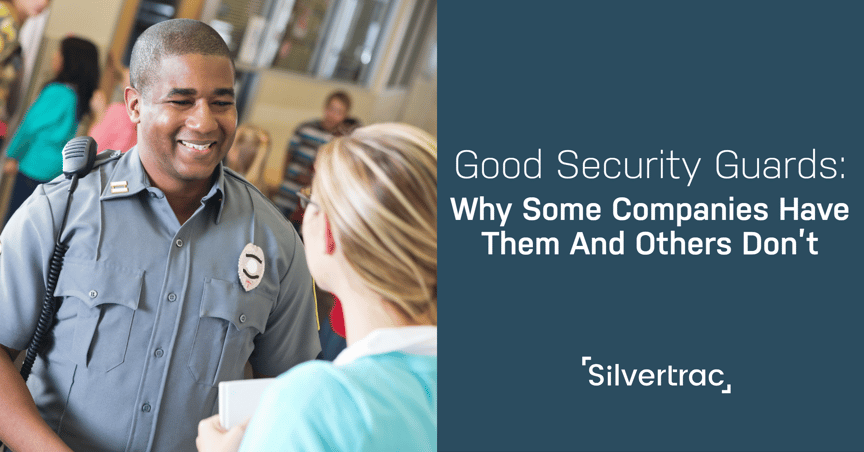
The security industry has a well-known reputation for high turnover. Low wages, long hours and operators poaching officers from one another mean that good security guards leave from time to time, and in Trackforce’s research 42% of security leaders ranked turnover as their number one challenge. If some of your best performers have left for a competitor, you may be wondering where exactly things went wrong.
Few firms have the budget to train an entire workforce into a dream team. The more reliable path is to keep the excellent officers you already have and get better at attracting the right ones. This article covers why good guards leave, how to retain them, how to attract more of them, the numbers to watch, and how TrackTik security workforce software from Trackforce removes the day-to-day friction that drives good people out.
Puntos clave
- Keeping good guards is cheaper than finding new ones.
Retention is the most cost-effective way to improve the quality of your workforce. - Good officers usually leave for three reasons.
No visible path to advance, a schedule that wrecks life outside work, and a manager they do not trust. - All three are fixable without a large budget.
Recognition, fair scheduling, a real feedback channel and a clear promotion ladder cost far less than constant rehiring. - Hiring decides retention.
Look past the resume, set expectations before the offer, and lean on referrals from the officers you want more of. - TrackTik makes a better workplace visible.
Predictable schedules, easy shift coverage, two-way communication and performance data in one platform show officers you run a company worth staying with.
Why Good Security Guards Leave
Pay matters, and setting competitive pay and bill rates is the starting point. But good officers rarely leave over a dollar an hour alone. They leave when the job feels like a dead end, when the schedule makes a normal life impossible, or when no one listens. The table maps each reason to a fix.
| Why they leave | Cómo se ve | What fixes it |
|---|---|---|
| Few advancement opportunities | “This is a dead-end job.” | A published promotion ladder, training tied to promotion, recognition for the best performers |
| Poor work-life balance | Last-minute schedule changes, back-to-back night shifts, no say in shifts | Schedules published early, shift preferences honored, easy swaps and call-off coverage |
| Negative view of management | Poor communication, unfair scheduling, nowhere to raise a concern | An open-door policy that is real, regular feedback, supervisors measured on retention |
| Poaching by competitors | Your best officer leaves for a small raise | Pay reviews based on performance data, stay interviews, a culture that is hard to leave |
Retener a los mejores empleados
Retaining your best existing officers is the most cost-effective way to improve your force. Focus on the issues that most often lead to a departure:
- Few advancement opportunities. Officers often see their position as a dead-end job with no path forward.
- Poor work-life balance. Night and weekend shifts make it hard to find time for family and interests.
- Negative view of management. In many companies, officers have little recourse when a supervisor communicates or schedules poorly.
The good news is that all three can be addressed. Officers need to feel they are working with the company toward a common goal, which builds loyalty and a sense of belonging.
Build a visible career path
Reward your most loyal officers with bonuses, added responsibility, training opportunities or a move into a supervisory role, and make the path explicit. A simple ladder, such as officer, senior officer, site lead, field supervisor, operations manager, with the training and performance criteria for each step, turns a job into a career. Tracking certifications and completed training in TrackTik people management makes promotion decisions fair and visible, because everyone can see what it takes to move up.
Protect work-life balance with better scheduling
The schedule is where most officers feel the company’s respect, or lack of it. Publish schedules early, honor stated availability, avoid stacking night shifts without a break, and make swaps easy. Scheduling in TrackTik guard management lets supervisors see availability, qualifications and overtime before they assign a shift, and officers can see and request changes from their phone. When someone calls off, supervisors can cover a last-minute call-off from their phone instead of pressuring the same reliable officer to work a double.
Make management worth trusting
Develop the relationship between officers and supervisors. Tell officers you have an open-door policy and that their feedback is valued, then prove it by acting on what they say. Gathering feedback from your security officers through short surveys, stay interviews and a direct channel to their supervisor in the TrackTik officer app shows them someone is listening, and gives you warning before a good officer starts looking elsewhere.
Atrae a los mejores empleados
Better management, loyalty and culture help you keep good security guards. You also need a hiring process that brings the right candidates in. How you hire and onboard decides much of your turnover before the first shift.
- Look past the resume. A candidate who looks great on paper may not work out in person. Ask questions that show whether they will succeed in your organization over the long term.
- Make sure candidates understand what is expected. Explain the role honestly before the offer, including nights, weekends and difficult sites, and reinforce those expectations during training.
- Leverage employee referrals. Your best officers know other good officers. Referrals from the people you want more of tend to produce higher quality hires who stay longer.
- Move fast. Good candidates have options. A slow hiring process loses them to whoever calls back first.
Taking the time to confirm a new hire is compatible with your company means fewer turnover problems and fewer poor hires. Screening out bad fits from the start helps make sure the officers you bring in support your goals and strengthen your culture.
What a Good Security Guard Looks Like
It is easier to attract and keep good officers when you can describe them. Most security leaders recognize the same qualities, covered in more depth in four key traits that define a successful security officer:
- Reliable. Shows up on time, completes tours and does not need to be chased.
- Observant. Notices what is out of place and reports it accurately.
- Calm under pressure. De-escalates rather than escalates.
- A good communicator. Writes clear reports and represents your company well with clients.
- Honest. Logs what actually happened, including their own mistakes.
Retention Numbers to Watch
You cannot keep good officers if you only notice they are unhappy when they resign. These indicators, all available in TrackTik business intelligence, give early warning:
- Turnover by site and by supervisor. If one supervisor loses officers at twice the company rate, the problem is not the officers.
- Overtime per officer. Your best people are often the ones asked to cover every gap, and burnout follows.
- Schedule changes inside 48 hours. A rising number means officers cannot plan their lives.
- Call-offs and no-shows. Often the first sign that an officer has mentally checked out.
- Time to first promotion. If nobody is moving up, the career path exists only on paper.
For the full retention playbook, including the cost of turnover and how to calculate your rate, read how to boost employee retention in the security industry.
How TrackTik Helps You Keep Good Security Guards
Good officers stay where the work is organized, fair and respected. TrackTik puts that on one platform: schedules officers can see and plan around, shift coverage that does not depend on the same three people, credentials and training that make promotion fair, two-way communication between the field and the office, and the data to spot a retention problem before it becomes a resignation. Companies that run this way, like Armour Security, become the kind of company good security guards want to work for.
Book a TrackTik demo to see how scheduling, communication and workforce data work together to help you attract and keep your best officers.
Preguntas frecuentes
Últimos artículos





Recursos destacados





Descubre Trackforce en acción
Reserva una visita guiada con nuestro equipo y descubre cómo se adapta a tu negocio.