Concilier service client et sécurité

Trackforce
February 10, 2025 · 11 min read

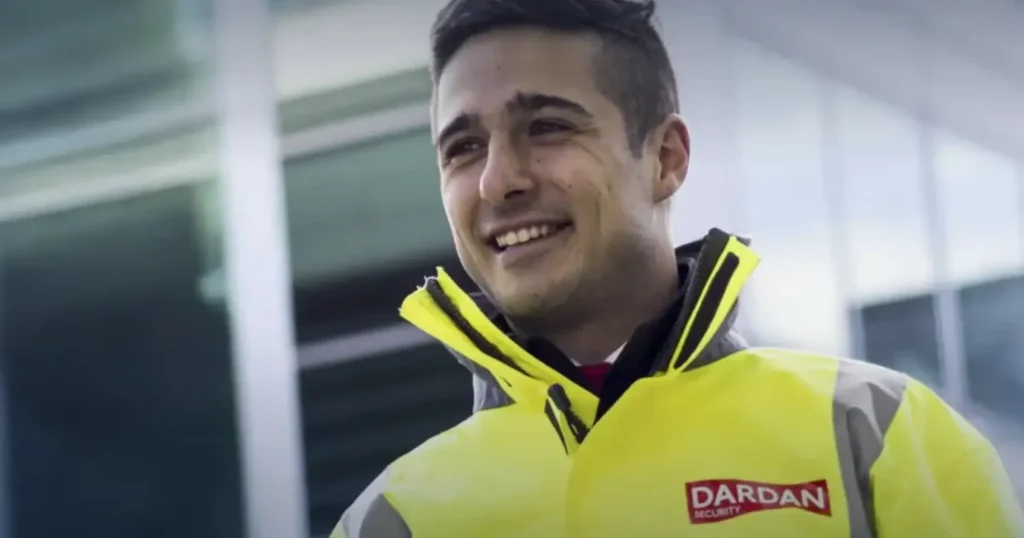
Security guards aren’t only guards of physical assets. They’re often the first point of contact for visitors, customers, and employees. As a result, their interactions can definitely affect customer experience, and this has renewed the focus on customer service in security guard training.
Quelles sont les exigences ? La formation au service client destinée aux agents de sécurité devrait inclure :
- Compétences en communication : il est utile de communiquer de manière claire et courtoise. Les membres de l'équipe de sécurité doivent être capables de répondre aux questions et de traiter les préoccupations avec respect.
- Conflict resolution: Training in de-escalation techniques and conflict resolution equips security guards to manage challenging situations effectively.
- Professionnalisme et bonnes manières : former les agents de sécurité à adopter une attitude professionnelle, un comportement approprié et à respecter les règles de courtoisie dans diverses situations.
Points clés à retenir
- Officers are the front line of customer experience.
For most visitors, the security officer is the first and sometimes only person they interact with, so service quality and safety are judged together. - Service and safety are not a trade-off.
Clear communication, good training and the right technology let officers enforce rules without creating friction. - Technology removes the waiting.
Biometrics, virtual queuing and mobile apps shorten lines and give officers the information to help people faster. - Software gives officers time to serve.
TrackTik automates logging, scheduling and reporting so officers spend their attention on people instead of paperwork.
Achieving the Right Balance
La sécurité physique garantit la sûreté, tandis qu'un service client de qualité fidélise la clientèle et confère aux entreprises un avantage concurrentiel en permettant de résoudre rapidement les problèmes des clients.
But what happens if you’re not doing both well? Failing to balance physical security with customer service can lead to lost customers, revenue loss, and reputation damage. There are new technological advances that can help your security streams do both.
Innovations in Security That Enhance the Customer Experience
Les temps d'attente et les longues files d'attente pour accéder à un lieu constituent souvent les principaux motifs de mécontentement des clients. Les technologies biométriques, telles que la reconnaissance d'empreintes digitales ou faciale, facilitent les procédures de contrôle d'accès, ce qui permet en fin de compte de réduire les temps d'attente. De plus, les systèmes de file d'attente virtuelle permettent aux visiteurs de réserver leur place à distance, ce qui rend inutile la formation d'une file d'attente physique et améliore ainsi la fluidité du flux de visiteurs.
Mobile apps can also give security guards real-time information, incident reporting capabilities, and communication tools to respond quickly to situations.
Voyez comment ces avancées en matière de sécurité peuvent vous aider :
Biometrics
- Méthodes basées sur les caractéristiques physiques : si la reconnaissance des empreintes digitales et la reconnaissance faciale sont courantes, l'avenir de la biométrie passe par des méthodes encore plus sophistiquées. Citons notamment la reconnaissance veineuse (analyse du réseau veineux de la main ou d'un doigt), la reconnaissance de l'iris (analyse de la structure de l'iris) et la reconnaissance vocale pour un accès sécurisé. Toutes ces options offrent des niveaux de sécurité plus élevés.
- Expériences personnalisées : la biométrie permet de personnaliser l'expérience client, car les visiteurs peuvent être automatiquement reconnus dès leur entrée et se voir accorder un accès pré-autorisé sans avoir à interagir avec un agent de sécurité ni à utiliser de carte d'accès.
- Contrôle d'accès : en l'absence de cartes d'identité ou de mots de passe, la biométrie accélère l'ensemble du processus d'accès.
Virtual Queuing
- Gestion prédictive des files d'attente : les systèmes avancés peuvent analyser les données historiques et le flux de visiteurs en temps réel afin de prévoir les heures de pointe, puis d'adapter les effectifs en conséquence.
- Intégration système : le système de file d'attente virtuelle peut être intégré à d'autres systèmes, tels que les outils de prise de rendez-vous ou les plateformes CRM. Cela permet d'établir une communication personnalisée avec les visiteurs, par exemple en leur indiquant les temps d'attente estimés ou en leur envoyant des rappels, et aide les entreprises à gérer le flux de visiteurs.
Mobile Apps
- Real-time access: Mobile apps help security personnel with real-time access to video feeds, sensor data, and other information from the command center. This allows them to monitor situations remotely and identify potential threats.
- Incident reporting: Security guards can use mobile devices to document incidents with photos, videos, and details, and instantly send the information to authorities.
- Une meilleure communication : le personnel de sécurité peut recevoir des alertes, partager des informations et coordonner les interventions en temps réel.
- Data collection: The data collected through mobile apps can be analyzed to identify patterns and potential vulnerabilities. This information can then be used to improve security protocols and address potential risks before they become a problem.
Dans l'ensemble, les progrès réalisés en matière de sécurité rendent l'ensemble du processus moins intrusif, plus rapide et plus simple pour les clients.
Getting Priorities Straight
Il est essentiel pour le personnel de sécurité d'offrir un service client exceptionnel, d'autant plus que les mesures de sécurité peuvent souvent être perçues comme une source de désagréments. Une communication efficace, l'utilisation des technologies, l'investissement dans la formation, l'amélioration continue des processus, la recherche d'un équilibre entre sécurité et confort, ainsi que la promotion d'une culture positive constituent autant d'éléments essentiels.
Les entreprises de sécurité peuvent donner la priorité à la sécurité sans pour autant compromettre la qualité du service client en se concentrant sur ces six domaines :
1. Communication
Expliquez clairement et avec respect les raisons qui justifient chaque règle de sécurité. Tenir les clients informés des changements apportés aux protocoles leur permet de s'organiser en conséquence.
2. Technologie
Technologies like facial recognition or automated access control can help speed up the process. If that’s not within your budget, mobile apps and self-service options help with pre-registration and virtual queuing. The technology also lets people give real-time updates through mobile notifications.
3. Formation
Invest in people! Provide training on customer service skills, communication, and conflict resolution. This will also help security officers make decisions and solve problems independently. Always encourage people to be professional in customer interactions and model the same behavior.
4. Continuous Improvement
No one is perfect. Collect customer feedback to see where there is room for improvement. Review security procedures and data on customer interactions, wait times, and security incidents to pinpoint areas of opportunity.
5. Balancing Security With Convenience
La réalisation d'évaluations des risques peut permettre d'identifier d'éventuels problèmes. Cependant, vous n'êtes pas obligé d'adopter une approche uniforme. Vous pouvez faire preuve de souplesse et tenir compte, dans la mesure du possible, de la situation particulière de chaque client.
6. Creating a Culture
Impliquez les membres de l'équipe dans l'amélioration de l'expérience client en matière de sécurité. Récompensez les agents de sécurité qui font preuve d'un excellent sens du service client tout en respectant les normes de sécurité.
Dans l'ensemble, associer le service client à des mesures de sécurité permettra d'avoir des clients plus satisfaits, mieux protégés et plus en sécurité.
How TrackTik Helps Officers Deliver Service and Safety
TrackTik, Trackforce’s security workforce management platform, significantly enhances the ability of security guards to provide exemplary customer service by automating and streamlining many of their routine tasks. Here are several ways the software improves the customer experience through security personnel:
Automatisation des tâches subalternes
One of the primary advantages of workforce management software is its ability to handle repetitive and time-consuming tasks automatically. These tasks could include logging incidents, scheduling shifts, and conducting routine checks. By freeing security guards from these menial duties, they have more time to focus on interacting positively with customers, addressing their concerns, and ensuring a welcoming environment.
Amélioration de la communication
TrackTik enhances communication both within the security team and with other departments. Real-time updates, instant messaging, and alert systems ensure that security guards are always informed about the latest protocols and any incidents that require their attention. This improved communication means they can respond promptly and accurately to customer inquiries, enhancing the overall customer experience.
Gestion efficace des incidents
The software simplifies incident report management by allowing guards to quickly and efficiently log details via mobile devices, with ReportPro AI turning those details into a complete, consistent report. This efficient process ensures that incidents are documented accurately and frees up more time for guards to return to their customer service duties. Effective incident management also leads to faster resolutions, minimizing customer inconvenience.
Where Service and Safety Collide: Four Common Scenarios
Most friction between customer service and safety shows up in a handful of repeatable moments. Officers who have a clear script for each one deliver both without having to improvise under pressure.
| Scenario | What the visitor expects | What safety requires | How to deliver both |
|---|---|---|---|
| Peak arrival at a hotel or venue lobby | A fast, friendly check-in | Every person screened and credentialed | Pre-register known guests, stage a second officer at peak times, and greet before you screen |
| A visitor without credentials asks for entry | To be helped, not turned away | No access until identity and purpose are confirmed | Explain the rule, offer the next step (host call, visitor pass), and log the interaction |
| An agitated customer at a retail entrance | To be heard | Protect staff, shoppers and the officer | Lead with de-escalation, keep distance, call for support early and document the incident |
| An after-hours delivery at a loading dock | A quick drop-off | Verify the driver, the vehicle and the manifest | Keep a documented after-hours procedure on the officer’s device so verification takes minutes |
A Customer Service Scorecard for Security Teams
“Good customer service” is hard to coach unless it is measured. Five numbers, reviewed monthly per site, turn it into something a team can improve:
- Average wait at entry during the busiest hour of the day.
- Incidents resolved without escalation as a share of all incidents, which shows whether de-escalation training is working.
- Visitor and tenant complaints about security, tracked per thousand visitors so sites of different sizes can be compared.
- Time from incident to completed report, since a report filed within the shift is what lets a client see a problem was handled well.
- Client satisfaction in quarterly reviews, rated against the same questions each quarter.
Each of these can be pulled from the same operational record if officers are logging activity in one system, which is what makes the scorecard practical rather than aspirational.
Training That Sticks: A Four-Week Plan
A single classroom session rarely changes behaviour at the post. Spreading the training over a month, with practice between sessions, does.
- Week 1, expectations: walk every site’s post orders and the customer-facing moments in them. Agree on a greeting standard and a script for refusing entry politely.
- Week 2, de-escalation: role-play the agitated-visitor scenario with a supervisor and review one real incident report together.
- Week 3, technology: make sure every officer can pre-register a visitor, file an incident from their phone and check the command center feed without help.
- Week 4, feedback: share the scorecard numbers with the team, recognise the officers behind the best results and pick one metric to improve next month.
Service and Safety Are the Same Job
A security officer who greets people well, explains the rules clearly and resolves problems quickly is doing their safety job better, not worse. The organisations that get this right train for both, measure both and give officers tools that take the paperwork out of the way. If you want to see how TrackTik gives your officers the information and the time to deliver service and safety at once, request a demo.
Questions fréquemment posées
Derniers articles





Ressources à la une





Découvrez Trackforce en action
Prenez rendez-vous avec notre équipe pour une démonstration et découvrez comment cette solution s'adapte à votre activité.