Comment le service à la clientèle influence vos opérations de sécurité

Trackforce
February 22, 2020 · 9 min read
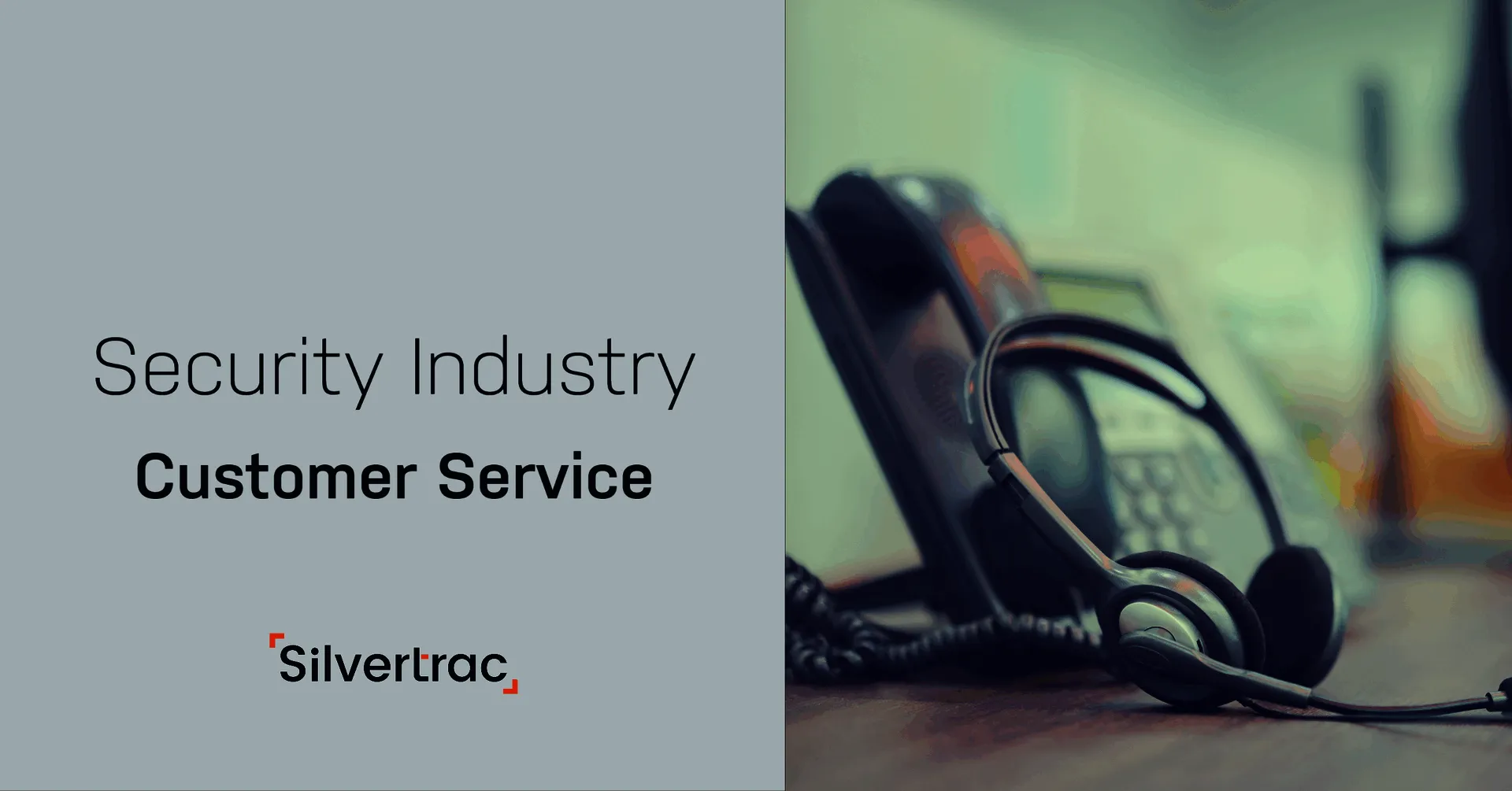
Customer service, customer support or customer success (CS) is an important part of any service business, and security is a service business. For small and midsize security companies, building a strong CS function is hard: teams are lean, managers wear several hats, and there is rarely anyone whose only job is the client relationship.
Yet CS is often what decides whether a client renews, refers you or puts the contract out to bid. This guide explains what customer success means for a security operation, what makes it great, how to build it without a large team, how to measure it, and how TrackTik security workforce software from Trackforce makes the operation itself part of the client experience.
Points clés à retenir
- Customer success drives the bottom line.
It creates a cycle of renewals and referrals that is cheaper than constantly winning new accounts. - Clients pay more for better service.
When offerings look alike, service is often the deciding factor in a bid. - Hire for attitude, passion and experience.
The people in client-facing roles shape the relationship more than any process. - Only offer channels you can answer quickly.
Two channels handled well beat five handled slowly. - Measure it, and let clients see the work.
CS reporting shows what is working, and TrackTik reports and dashboards show clients what they are paying for.
What Customer Success Is and Why It Matters
At its most basic, customer service is the support an organization provides to its clients. But a great experience starts before the contract is signed. CS is the personal touch that helps prospects and clients build trust in a company, from the first proposal through every renewal.
People will pay more for goods and services when a company provides better support than its competitors, and great CS combined with great service can lift the bottom line significantly. It is also the most reliable way to keep clients. Happy, loyal clients are more likely to refer others, so a well-run CS function creates a cycle of renewals and referrals.
Small and midsize security companies constantly compete with firms that offer similar services or simply have more resources. CS is where they can stand out. When two bids look alike on paper, the deciding factor is often the confidence the client has that they will be looked after.
Qu'est-ce qui fait un excellent service à la clientèle ?
Before looking at how to implement great customer service, it helps to define it. Think about your own experiences as a customer: what worked, and what did not? Great support looks different in every organization, but it always has these basics:
- Emotionally intelligent people. Clients calling about a security issue are often worried or frustrated. The person who answers needs to recognize that and respond to it.
- Good communication skills. Clear, plain explanations, in writing and on the phone. Four common mistakes come down to communication.
- Thorough knowledge of your services and sites. The person answering should know the contract, the post orders and what happened on the last shift.
- Timely responses. Speed signals respect, especially when the question is about security.
- Proper CS reporting. You cannot improve what you do not measure.
Comment établir un excellent service à la clientèle
1. Define what success means
Before any strategy, decide what success means for your company. For one firm it might mean every client hears about incidents before they have to ask. For another it might mean every renewal is signed without going to bid. Whatever the definition, write it down, because it shapes who you hire, which channels you offer and what you measure.
2. Hire for it
Once you know what success looks like, build a hiring approach that helps managers spot people ready to deliver it. Look for:
- Une attitude positive et patiente
- Genuine interest in your services and mission, and in your clients’ safety and success
- Previous customer service experience
Customer service is demanding work. Client-facing staff regularly deal with angry, frustrated or confused people who may not communicate clearly. It falls to them to listen, understand the real issue and explain the answer in a way that makes sense to that person. Handling problem customers is part of the job, and hiring with these traits in mind makes it much easier.
3. Choose channels you can staff
You do not have to offer every support channel. Pick the few your team can answer promptly; too many channels stretch response times and make every interaction less effective. For a small or midsize security company, the basics usually cover it:
| Canal | Parfait pour | What it takes to do well |
|---|---|---|
| Phone during set hours | Urgent issues and complaints | A named person or rota who always answers in hours, plus an after-hours escalation number |
| Courriel | Requests, changes and records | A shared inbox and a response-time target, such as the same business day |
| Help center or FAQ page | Common questions about billing, scheduling and reports | Ten to twenty well-written answers, kept current |
| Website chat | Prospects and quick questions | Someone available during the hours it is switched on |
| Automated client reports | Answering “what happened last night?” before it is asked | Reports delivered from your operations platform on a schedule |
The last row is the one most security firms underuse. Delivering daily activity and incident reports from TrackTik security incident reporting automatically answers the most common client question without anyone picking up the phone.
4. Build CS reporting
Reporting is the last piece. Like any part of a security operation, without a baseline for success you are spending money, time and effort without knowing whether it works. Useful measures include:
- Average response time by channel
- Number of client complaints, and how many were resolved on first contact
- Renewal rate and the reasons clients give for leaving
- Referrals received from existing clients
- Operational measures clients care about, such as tour completion and incident response, from TrackTik business intelligence
Where Field Operations and Customer Success Meet
In security, the office is not the only place customer service happens. Officers are the people clients and their staff see every day, and the reports officers write are often the only evidence the client has of the work. That means operations and CS are the same job viewed from two sides.
- Officers who know the site. Clear post orders in TrackTik guard management mean every officer, including fill-ins, knows what the client expects.
- Reports written at the scene. Officers file from the TrackTik officer app with photos and time stamps, so clients get accurate, professional reports.
- Visibility without asking. Letting clients see for themselves is the fastest way to build trust.
- Invoices that match the work. Billing from verified hours in TrackTik contracts and invoicing removes one of the most common sources of friction.
The First 90 Days With a New Client
Most client relationships are won or lost early. A simple onboarding plan sets the tone:
- Week 1: agree expectations. Confirm post orders, reporting schedule, escalation contacts and who the client calls.
- Weeks 2 to 4: over-communicate. Call after the first week of shifts, share early reports and fix small issues quickly.
- Month 2: review together. Walk through the first month of tours, incidents and hours, and adjust anything that is not working.
- Month 3: set the rhythm. Book the first quarterly business review and agree what it will cover.
After that, the habits in five simple ways to improve your security business relationships keep the relationship strong between reviews.
Great Customer Service Starts With Great Operations
Customer success is not a department you bolt on; it is the result of an operation clients can see and trust. TrackTik gives small and midsize security companies the tools to deliver it with a lean team: automated client reports, accurate invoices, consistent officers and the data to prove the work. Book a TrackTik demo to see what your clients would experience.
Foire aux questions
Derniers articles




Ressources en vedette
Découvrez Trackforce en action
Réservez une visite avec notre équipe et voyez comment ça s'intègre à votre activité.