Cómo fomentar y mejorar la conciencia situacional entre tus agentes de seguridad

Trackforce
September 25, 2015 · 12 min read
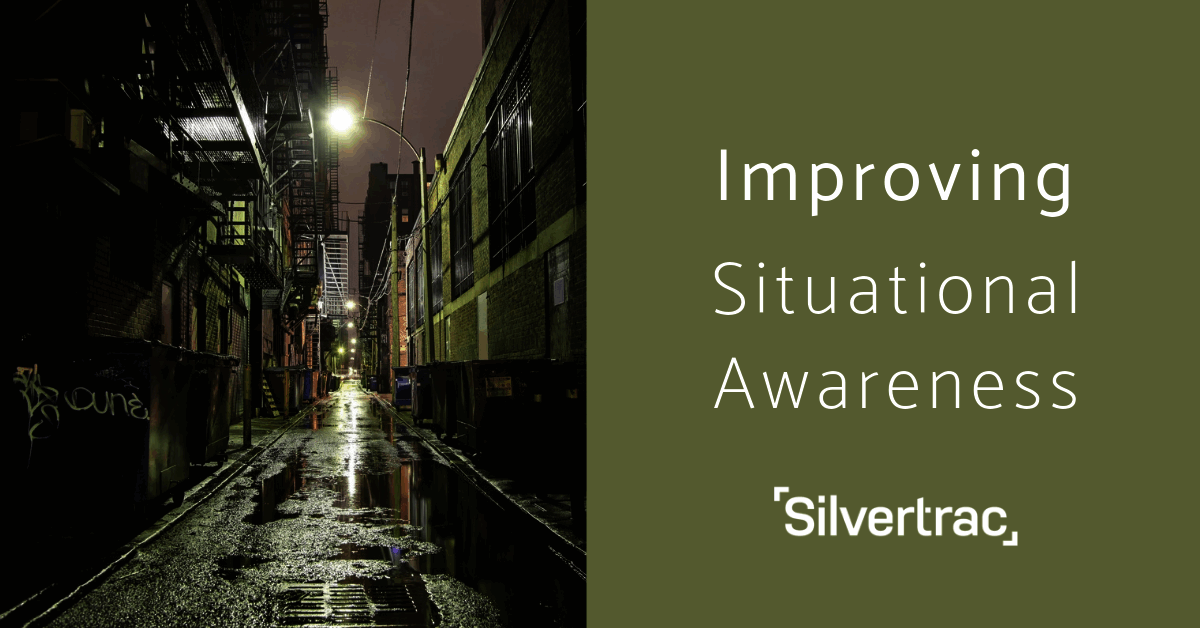
Todo responsable de seguridad debería preocuparse por si sus agentes poseen o no «conciencia situacional». Casi todo el mundo tiene una idea vaga de lo que es, pero no sabe definirla y, desde luego, no sabe cómo determinar si un guardia la tiene.
As defined by the United States Coast Guard, Situational Awareness is: “the ability to identify, process, and comprehend the critical elements of information about what is happening to the team with regards to the mission”. More simply, it’s knowing what is going on around you.
Tener conciencia situacional y formar en conciencia situacional son dos cosas muy distintas, pero ambas son factores de gran importancia. Veamos algunas estrategias que te ayudarán a fomentar y mejorar la conciencia situacional entre tus agentes de seguridad.
Puntos clave
- Situational awareness means knowing what is happening and what it means.
Officers who notice, understand and anticipate react faster when every second counts. - It can be taught.
Instinct helps, but observation drills, scenario practice and regular coaching build awareness in any officer. - Healthy vigilance beats complacency.
Officers should investigate what is out of place, with enough judgment to escalate the right things. - Preparation decides performance under pressure.
Running scenarios in advance and knowing who leads in a crisis shortens reaction time. - Technology keeps awareness consistent on every shift.
With TrackTik, guard tours, site tasks, digital post orders and incident reports keep officers engaged with their surroundings and show supervisors where attention is slipping.
¿Qué es la conciencia situacional?
Tras años de experiencia en el sector de la seguridad, lo defino como la capacidad de comprender cómo el entorno, las necesidades de los clientes y la cadena de escalamiento dentro de la propia empresa deben influir en tus acciones en situaciones de gran presión. Estas situaciones pueden variar desde amenazas internas o externas hasta problemas ambientales dentro de la empresa.
Por ejemplo, si tu agente trabaja en una planta de fabricación, debe tener en cuenta las carretillas elevadoras, las prensas de varias toneladas, los líquidos calientes, los productos químicos peligrosos y los artículos peligrosos. Los agentes de seguridad deben actuar con cuidado y estar atentos cuando se encuentren cerca de este tipo de equipos, ya que, de lo contrario, podrían ponerse a sí mismos o a otras personas en una situación de peligro.
En una situación de emergencia, los guardias deben ser capaces de evaluar rápidamente la situación y tomar decisiones en una fracción de segundo. Cuando la emergencia se presenta en su puesto, cuando la respuesta de «lucha o huida» está en pleno estado de alerta y la adrenalina fluye, ese segundo de retraso adicional por no haber prestado atención a lo que les rodea puede salir muy caro.
Muchos directivos y responsables que, por lo demás, son excelentes, son incapaces de pensar con claridad en una situación de crisis o emergencia. Hay personas que, por su propia naturaleza, son capaces de pensar con rapidez y actuar correctamente de inmediato. Son capaces de evaluar la situación y tomar la decisión acertada, la mayoría de las veces, en un nanosegundo.
Related post: The Good, Bad and Ugly of Incident Reports
The Three Levels of Situational Awareness
A widely used model from human factors research, developed by Dr. Mica Endsley, breaks situational awareness into three levels. Each level builds on the one before it, and each one maps to something an officer does on every shift.
| Level | What the officer does on post | How TrackTik supports it |
|---|---|---|
| 1. Perception | Notices what is happening, such as a propped fire door, an unfamiliar vehicle or a smell that should not be there. | Guard tour checkpoints and site tasks prompt officers to stop and look closely at the areas that matter most. |
| 2. Comprehension | Understands what it means, such as recognizing that the propped door leads to a restricted area during a shift change. | Digital post orders put site-specific risks, contacts and instructions on the officer’s device. |
| 3. Projection | Anticipates what happens next and acts first, such as securing the door before anyone uses it to slip inside. | Incident reporting with photos and real-time alerts gives supervisors the context to act before a small issue becomes a serious one. |
Most training focuses on the first level. The biggest gains often come from the second and third, which depend on officers knowing the site, the client and the escalation path. That is why digital post orders matter so much: an officer cannot interpret what they see without the right context.
Enseñar la conciencia situacional
Pero la conciencia situacional es una habilidad tanto adquirida como innata. Aunque algunas personas pueden tener esos instintos y esa conciencia, también se puede enseñar. Hay que esforzarse por enseñar a los agentes, y a uno mismo, cómo desarrollar esa conciencia. No es fácil, pero podría salvarles la vida.
Una cosa que siempre enseño a mis agentes es que sean un poco paranoicos. Sí, paranoicos. Prefiero que sean algo paranoicos a que pasen por alto ruidos, fugas u objetos fuera de lugar. Las personas que mejor reaccionan ante una emergencia son aquellas que ya se esperan lo peor y prestan mucha atención a lo que les rodea.
Entonces, ¿cómo se forma a los agentes para que sean paranoicos? Empezando por enseñarles a investigar todo, hasta el más mínimo ruido. Lo que se busca es que desarrollen una conciencia básica de lo que les rodea y que se cuestionen todo lo que no encaja.
Incluso cuando no hay ninguna emergencia, esta atención es importante. Hace 30 años, cuando trabajaba como agente de seguridad, oí lo que parecía el silbido de alguien procedente de una esquina de la planta de fabricación que yo había cerrado con llave. Fui a investigar y, finalmente, lo comuniqué. Resultó ser el viento que se colaba por debajo de la cubierta de poliuretano del tejado, que había que cambiar. Recibí un sincero agradecimiento por parte de los responsables de mantenimiento y de la planta.
Mantener el equilibrio
Es obvio que no te interesa contar con agentes de seguridad tan paranoicos y temerosos de su propia sombra que, ante el más mínimo ruido, entren en pánico y llamen a la policía o a su supervisor. Sin embargo, si incorporas ejercicios de trabajo en equipo y de observación en tus reuniones mensuales o trimestrales, se convertirán en mejores observadores y adquirirán esa capacidad de percepción.
Anima a los agentes a investigar lo que vean con su visión periférica. Intenta que no estén atados a un puesto fijo y que puedan ir a comprobar cualquier cosa que vean. En el peor de los casos, quizá dediquen un par de minutos a investigar a un mapache. Por otro lado, podrían detener a un intruso o impedir un robo.
Esto llega incluso al olfato. Si tú o tus agentes perciben algún olor inusual, olfatead como si estuvierais oliendo beicon y café a primera hora de la mañana. Puede parecer extraño y ridículo, así que es tu responsabilidad crear un entorno en el que se recompense a los agentes por esta vigilancia, en lugar de burlarse de ellos por ello.
Prepárate mentalmente
Además de mantenerte alerta, tienes que imaginar diferentes situaciones para estar preparado ante cualquier tipo de suceso, sea cual sea. Siempre he enseñado a mis agentes a ponerse en la piel de un delincuente para prepararse ante una situación y, a continuación, a saber cómo afrontarla con discreción, eficiencia y eficacia, como profesionales.
Uno de los principios fundamentales de un buen equipo directivo es reconocer las limitaciones de su personal, ya sean directivos o empleados. A veces hay supervisores que, aunque por lo general se desenvuelven bien con su personal, no son capaces de pensar con claridad en una situación de emergencia. En ese caso, la empresa debe designar a otra persona para que dirija al equipo hasta un lugar seguro. Esa persona puede ser incluso un agente de seguridad de plantilla.
¿Eres tú quien debe poner a salvo a todos los empleados? Si tu respuesta es negativa, quizá te convenga formarte, junto con tus responsables, en la conciencia situacional necesaria para que se pueda contar contigo en caso de crisis. Nadie tiene por qué ser un héroe, pero todos los miembros de tu organización deben estar preparados para hacer frente a una crisis.
Situational Awareness Drills to Run With Your Team
Awareness fades without practice. These short drills fit into a shift briefing, a monthly meeting or a field training session.
- What changed? Walk an area with an officer, change three small things, then send them back. Talk through what they spotted and what they missed.
- Observation recall. Show a photo of a busy scene for 30 seconds, then ask officers to list everything they remember: people, vehicles, exits and hazards.
- Baseline walk. Ask new officers to describe what normal looks, sounds and smells like at their post. Anything outside that baseline deserves a closer look.
- Tabletop scenarios. Talk through a medical emergency, a fire alarm or an aggressive visitor. Who leads, who calls for help and where does everyone go?
- Incident replay. Review a real report from one of your sites and ask which early signs could have been noticed sooner.
- Communication check. Practice clear, concise radio and phone updates so what an officer sees reaches the right person quickly.
Pair the drills with de-escalation practice, because spotting a problem early only helps if officers can handle it calmly. These de-escalation skills for security professionals are a natural next step, and integrated officer management tools help close the training gaps that drills reveal.
How TrackTik Helps Officers Stay Aware on Every Shift
Training builds the habit. The right tools keep it going when officers are tired, working alone or covering a quiet overnight shift. TrackTik supports situational awareness at every step:
- Guided patrols. The TrackTik guard tour system sends officers to checkpoints on schedule, so high-risk areas get regular attention instead of a quick walk-by.
- Site tasks between tours. Specific checks, such as confirming a door is locked or photographing a fire exit, keep officers looking closely. See how TrackTik site tasks turn the work between tours into proof.
- Clear, complete reports. ReportPro AI helps officers turn what they observed into accurate, professional incident reports in less time.
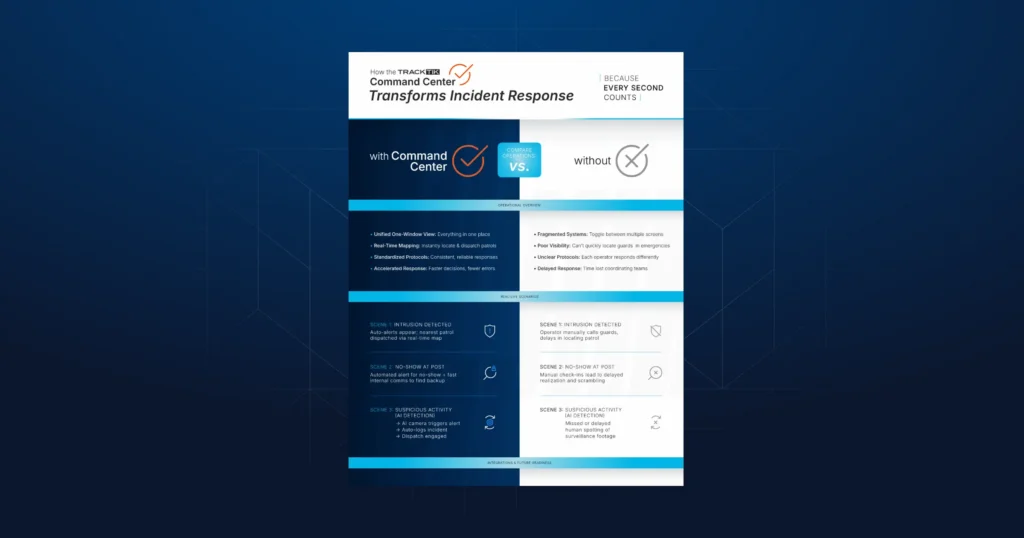
- Real-time coordination. The TrackTik command center brings alerts, incidents and officer activity into one view, so supervisors can respond while a situation is still developing.
- Officer safety. Mobile check-ins and alerts help protect officers working alone or at remote posts. Learn more about how to keep security guards safe.
Warning Signs That Awareness Is Slipping
Complacency rarely announces itself. Watch for these signs in your team and in your data:
- Patrols completed much faster than the route allows
- Checkpoints missed at the same time on several shifts
- Incident reports that are vague, copied from earlier shifts or missing photos
- Few or no observations logged at a busy site
- Officers who cannot describe recent changes at their post
TrackTik business intelligence surfaces these patterns across sites and shifts, so supervisors can coach early, before a missed detail turns into a missed incident.
Summary: Situational Awareness Essentials
- La conciencia situacional es difícil de adquirir, pero fácil de perder. Requiere práctica y un esfuerzo consciente.
- Presta atención a los sucesos que se salgan de lo habitual.
- Presta atención a cualquier comportamiento inusual de los civiles, los empleados y los miembros del equipo que te rodean.
- Mantén un enfoque proactivo a la hora de recabar información.
- Actúa con rapidez ante una situación delicada y comunícate de forma eficaz.
- Infórmate sobre la obra en la que estás trabajando y los riesgos habituales asociados a ella.
- Evalúa constantemente la situación.
Preguntas frecuentes
Últimos artículos

Recursos destacados
Descubre Trackforce en acción
Reserva una visita guiada con nuestro equipo y descubre cómo se adapta a tu negocio.