Building Strong Security Management Teams

Trackforce
May 29, 2019 · 8 min read
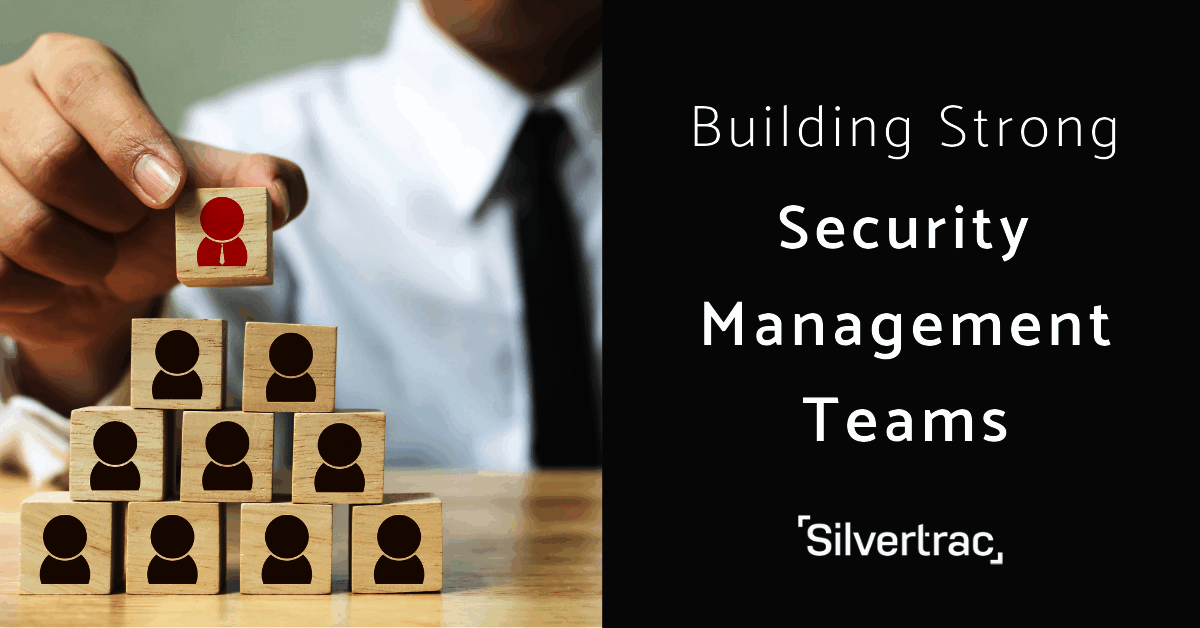
What does it take to build and maintain strong leaders on a security management team? It starts with hiring and training, but that’s certainly not where it ends. The strongest supervisors work continuously on developing their leadership skills and advancing their team.
Key takeaways
- Supervisors set the standard for everyone else.
The right supervisors lay the foundation for the rest of your workforce, so hiring them deserves the most care. - Hire for behavior, not just experience.
Ask candidates what they did in past situations, check references, and look for people who know the job and fit your culture. - Growth has to be planned.
Individual plans, team planning, evaluations, recurring training and mentoring keep a management bench strong. - Give supervisors data, not paperwork.
TrackTik shows each supervisor the exceptions on their sites, so their time goes to coaching officers instead of chasing reports.
Traits of a Successful Security Supervisor
According to Google’s Project Oxygen research, the top 10 behavioral traits of great managers are:
- A good coach
- Empowers the team and doesn’t micromanage
- Creates an inclusive team environment
- Productive and results-oriented
- A good communicator
- Supports career development
- Has a clear vision and action plan
- Has the technical skills to advise the team
- Collaborates across teams
- A strong decision maker
While many of these traits can be learned and tested on the job, it’s often easier to find someone who already fits the bill during recruitment. And in an industry where so many people come from law enforcement and military backgrounds, you are bound to find a standout who fits right in.
Recruiting and Interviewing Supervisors
Recruiting top talent in the security industry can be challenging. But it’s an important building block for a strong team, and getting the right supervisors on staff lays the foundation for the rest of your employees.
If your budget allows, an executive search firm can help you find exemplary supervisors you might not have found otherwise. Most security companies don’t have the budget for that, so proven hiring techniques become the way to identify the best candidates.
Interview Techniques for Supervisor Candidates
- Make sure the candidate knows the job. Ask questions that show the candidate understands the industry, the terminology and the duties of the role.
- Look for a fitting personality. Do you trust this person? Do you enjoy talking with them? Will their management style fit the environment you are creating?
- Research the candidate. Talk to references and people they have worked with to see whether they practice what they preach and what kind of supervisor they really are.
- Hire smart people. Smart supervisors dive into your company with the energy to grasp what’s needed quickly and mentor the people around them.
- Ask about past behavior. It’s easy to describe what you would do in a hypothetical situation. Asking what someone actually did in past events reveals their real values and skills.
Behavioral Interview Questions to Ask
- Tell me about a time an officer missed a post. What did you do that shift, and what did you change afterward?
- Describe a client complaint you handled. How did you find out, and how did you close it?
- Walk me through how you reviewed incident reports in your last role. What did you send back, and why?
- Tell me about an officer you coached from struggling to reliable. What worked?
- Describe a decision you made without all the information. How did it turn out?
Continued Education and Growth Plans
Once a supervisor with the right foundation is on board, it’s time to plan their continued education and growth. To be effective leaders, supervisors need to actively work on improving themselves and their team. These strategies are easy to implement and support both company and personal growth.
- Individual planning. If you hired well, your new supervisor is hungry to grow. A personal development plan gives that drive a direction that shows up in their day-to-day work.
- Team planning. Bringing team leaders together for cross-functional strategy shows everyone their role and how teams work together. People need to feel important and purposeful, and sharing the owner’s view with supervisors is where that starts.
- Evaluations. Every team member should have performance evaluations, including leaders and managers. Assessing goals shows what is working, what needs improvement, and whether the team is truly succeeding. A clear supervisor process makes evaluations fair.
- Corporate training. Supervisory skills need continual improvement. Once or twice a year, supervisors should complete management training alongside ongoing officer training, which keeps best practices current and the importance of their role top of mind.
- Mentoring. When interviewing non-supervisor candidates, look for supervisor potential. An open, coachable employee learning from a great supervisor builds your bench for future expansion.
A 90-Day Onboarding Plan for New Supervisors
The first three months decide whether a new supervisor becomes a leader or a firefighter. This plan gives them structure.
| Period | Focus | What success looks like |
|---|---|---|
| Days 1 to 30 | Learn the sites, the officers and the clients | Has visited every site, met every client contact and reviewed post orders with each officer |
| Days 31 to 60 | Own the daily routine | Reviews tours, incident reports and open follow-ups every shift without being reminded |
| Days 61 to 90 | Improve one thing | Has a written development plan and has led one measurable improvement on a site |
A Scorecard for Security Supervisors
Evaluations work best when they rest on numbers both sides agree on. These measures, reviewed monthly, show how a supervisor’s sites are actually running. For a deeper dive, see measuring supervisor tasks.
| Measure | Why it matters |
|---|---|
| Tour completion on their sites | Shows whether officers are doing the core job consistently |
| Reports completed within the shift | Late or missing reports are the first sign of slipping standards |
| Open follow-ups older than 24 hours | Clients notice unresolved issues before anything else |
| Officer turnover on their team | Supervisors are the biggest single factor in whether officers stay |
| Training and certification compliance | An expired license on a post is a supervisor problem |
| Client feedback | The outcome everything else is meant to produce |
Pair the scorecard with conversations about personalities and behavior. Numbers show where to look; coaching changes what happens next.
How TrackTik Helps Supervisors Lead
Strong supervisors spend their time coaching officers and serving clients. Weak systems pull them into chasing paperwork. TrackTik, the Trackforce platform for security operations, is built to keep supervisors on the work that matters.
- Exceptions, not noise. Guard management and the guard tour system surface missed checkpoints, late check-ins and open posts so supervisors know exactly where to go.
- Faster report review. ReportPro AI turns officer notes into complete, consistent reports, so supervisors approve rather than rewrite.
- Clear escalation. Security guard dispatch routes incidents to the right supervisor with the site context attached.
- Fair, visible scorecards. Business intelligence dashboards show each supervisor’s sites side by side, so evaluations rest on shared facts.
- Training records in one place, so expiring certifications are flagged before they become a problem, as covered in configurable training modules and eliminating training gaps.
Strong Supervisors Build Strong Companies
If you implement even a few of these practices, you are on your way to a top-notch security management team. That team brings the character, passion and mentorship your company wants, and those are traits money can’t buy. Strong supervisors also keep officers longer; the guide to retaining your security guards explains why. To see how TrackTik gives your supervisors the visibility to lead, request a demo.
Frequently Asked Questions
Latest Articles





Featured Resources





See Trackforce in action
Book a walkthrough with our team and see how it fits your operation.