Does Mental Health Really Matter to Physical Security?

Trackforce
April 29, 2020 · 16 min read
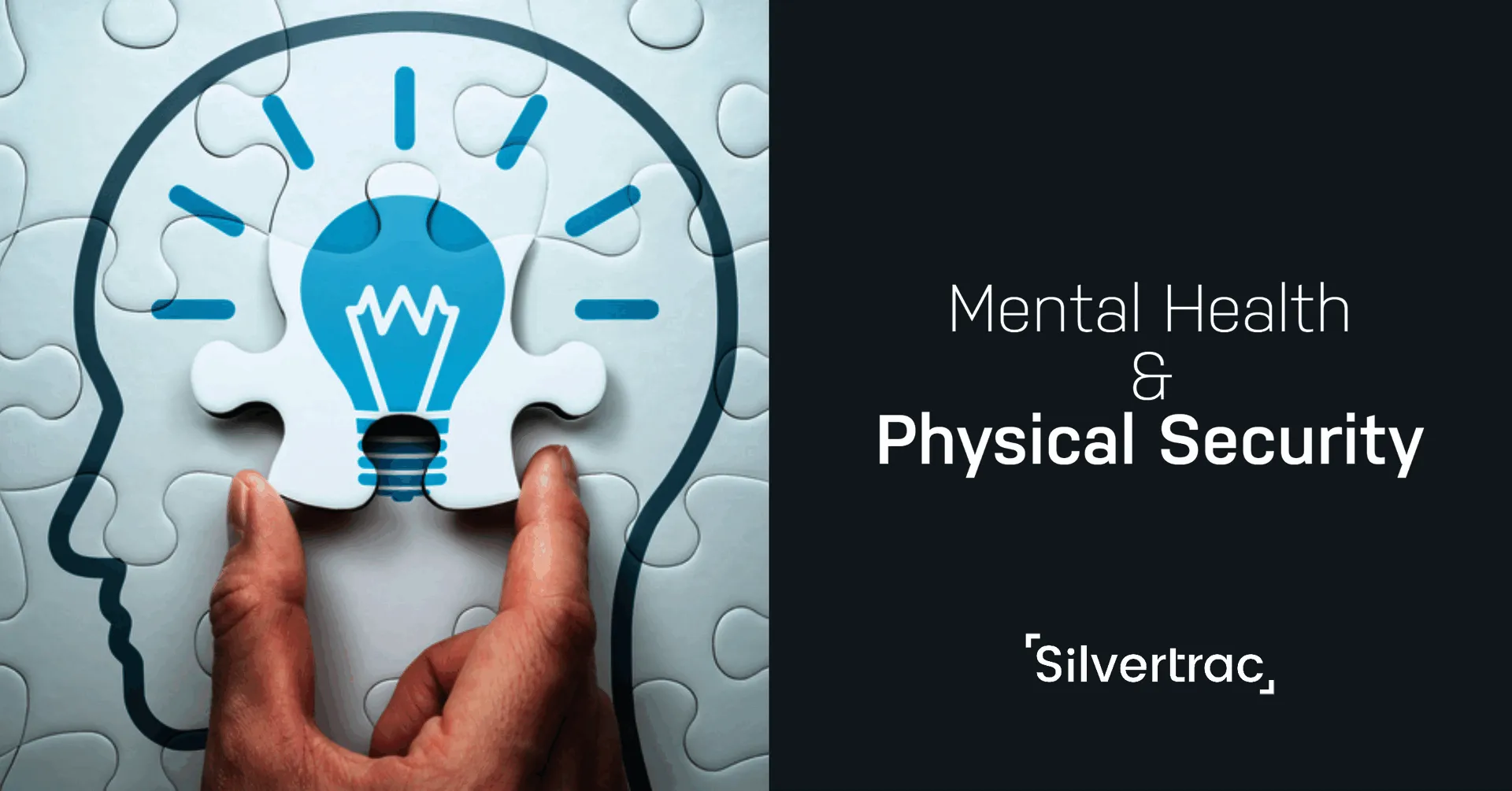
The topic of mental health is often met with a dismissive attitude or a joke. The truth is that mental health is not just a clinical diagnosis or something that requires medication. It is an important part of life that affects everyone, including the officers who protect your sites every day.
Mental health describes a person’s cognitive, behavioral and emotional well-being. In short, it is the health of a person’s thoughts, feelings and behaviors. We all experience negative and positive mental health in our daily lives, through our interactions with others and through our own self-talk.
Security work adds its own pressures: long and overnight shifts, time spent working alone, tense confrontations and exposure to incidents most people never see. In this article, we look at what poor mental health does to the body, how officers can protect their own well-being, what security leaders can do to support their teams, and how officers can respond when they meet a member of the public in a mental health crisis.
Key takeaways
- Mental health is part of officer safety.
Stress, fatigue and unprocessed trauma affect alertness, judgment and how officers treat the people around them. - Security work carries specific risks.
Lone work, night and rotating shifts, long hours and exposure to traumatic incidents all add strain, and each one can be managed. - Leaders shape the environment.
Fair schedules, clear post orders, post-incident check-ins, peer support and visible EAP information do more than a once-a-year wellness email. - Officers also meet people in crisis.
Calm de-escalation, knowing when to call 911 and respectful, factual documentation protect everyone involved. - The right tools remove avoidable stress.
TrackTik is not a mental health tool, but its scheduling, lone-worker check-ins, incident workflows and reporting help leaders spot overload early and follow up after hard shifts.
Why Mental Health Matters in Physical Security
Mental health conditions are common. According to the National Institute of Mental Health, more than one in five U.S. adults live with a mental illness, an estimated 59.3 million people in 2022. On any large security team, some officers are managing a condition right now, whether or not anyone knows about it.
Work plays a big part in that picture. The World Health Organization estimates that 12 billion working days are lost every year to depression and anxiety, at a cost of US$1 trillion in lost productivity. WHO also lists long, unsocial or inflexible hours, excessive workloads, unsafe working conditions, violence and harassment, and unclear job roles among the risks to mental health at work. Many of those describe an ordinary week in security.
For a security operation, the impact is practical. An officer who is exhausted, anxious or still shaken by a previous incident is more likely to miss a detail on patrol, react sharply in a tense conversation, call off a shift or leave the job altogether. Supporting mental health is part of keeping officers safe, keeping sites protected and keeping good people on your team, which is why it sits right alongside pay and recognition in any plan for boosting employee retention in the security industry.
How Mental Health Affects Our Bodies
Stress is the term people usually use when talking about mental health, but stress is just one part of a bigger picture. Poor mental health has effects on our emotions, our physical bodies and our behaviors.
Emotional effects
- Anxiety
- Restlessness
- Lack of motivation
- Irritability or anger
- Sadness or depression
- Feeling overwhelmed
Physical effects
- Headaches
- Chest pain
- Fatigue
- Stomach issues
- Sleeping problems
- Muscle tension
Behavioral effects
- Overeating or undereating
- Angry outbursts
- Drug or alcohol misuse
- Social withdrawal
- Less physical activity than usual
These are not the only effects. Ongoing stress can touch almost every part of the body, which is why poor mental health deserves the same attention as a physical injury. If signs like these last for more than a couple of weeks or start getting in the way of work and home life, it is a good idea to talk with a doctor or a mental health professional.
Common Stressors in Security Work
Every job has stress, but security officers face a particular mix of pressures. The table below sets out the most common ones, how they tend to show up, and what helps.
| Stressor | How it can show up | What helps |
|---|---|---|
| Lone work | Isolation, no one to debrief with, worry about what happens if something goes wrong | Scheduled check-ins, a clear way to call for help and a supervisor who reaches out during long solo shifts |
| Night and rotating shifts | Poor sleep, fatigue, less time with family and friends | Predictable rotations, enough rest between shifts and schedules posted early |
| Long hours and overtime | Exhaustion, irritability, slower reactions | Sensible overtime limits, fair distribution of extra shifts and a relief pool for call-offs |
| Exposure to traumatic incidents | Replaying the event, trouble sleeping, dreading certain posts | A post-incident check-in, time to decompress and easy access to EAP or counseling resources |
| Confrontation and verbal abuse | Tension that carries into the next shift or home | De-escalation training, backup on difficult posts and recognition for handling hard situations well |
| Unclear expectations | Anxiety about getting it wrong, conflicting instructions | Clear post orders, site-specific training and one place to find instructions |
If many of your officers work alone, our article on building a lone worker safety strategy for modern security teams covers check-ins and escalation in more depth. For the scheduling side, see why work-life balance matters in the physical security industry.
Taking Care of Your Mental Health
If your body is not working properly or your finances are not stable, your mental health will feel the strain. But it works both ways. If you are not mentally healthy, your physical health can start to slip and everyday responsibilities can become harder to manage.
There are many ways to maintain positive mental health. Here we look most closely at exercise, meditation, nutrition and sleep, plus the most important step of all: asking for help.
Exercise
You do not need to be a strongman or a triathlete to gain the mental health benefits of exercise. A good rule of thumb, especially for someone just building a routine, is that any movement is good movement.
According to the CDC, regular physical activity can reduce your risk of depression and anxiety and help you sleep better, and even a single session of moderate-to-vigorous activity can reduce short-term feelings of anxiety. Exercise can also lift your energy and help keep your thinking sharp.
If you do not have an exercise routine yet, great starter options include walking or running, boxing, pilates, yoga, cycling and resistance training. A few minutes of stretching before and after a long shift on your feet helps too.
Meditation
When people hear the word meditation, many picture someone sitting in silence for hours. But meditation is simply a way of training the mind, just as fitness is a way of training the body.
Many people find that a regular practice helps them manage stress, feel calmer and focus better, all of which are useful on a long post.
Meditation apps are a great way to learn about meditation and find the type that works best for you. They are built for beginners and walk newcomers through short, guided sessions.
No one starts out meditating for hours, and most people never do. Even a few minutes of slow breathing before a shift or after a difficult call can help an officer reset.
Nutrition
Eating well keeps your body functioning properly, and that includes your mental state. A diet heavy in sugar and processed food, with few fruits and vegetables, can leave you feeling foggy and sluggish.
Eating well-balanced meals and snacks does not have to mean following a strict diet. Simple habits help, such as:
- Limiting sugar
- Eating nuts and other filling snacks
- Cutting back on junk food
- Eating more fresh food
- Drinking more water
- Getting enough fiber and probiotics
Officers on night shifts can plan meals and snacks ahead so they are not relying on vending machines at 3 a.m. Like the other tips here, good nutrition does not have to be overwhelming. Start slow and build a healthy routine over time.
Sleep and recovery
Sleep matters even more for officers on overnight and rotating shifts. Keep the bedroom dark and quiet during the day, aim for a consistent sleep window where you can, and cut off caffeine well before the end of a shift. Leaders can help by keeping schedules predictable and posting them early so officers can plan their rest.
Asking for help
Talking to someone you trust is a strength, not a weakness. That might be a coworker, a supervisor, a family member, a doctor or a counselor. If your employer offers an Employee Assistance Program (EAP), it can be a good first step for finding support.
If you or someone you know is in crisis in the U.S., call or text 988 to reach the 988 Suicide & Crisis Lifeline. If anyone is in immediate danger, call 911.
Mental Health in the Workplace
The workplace affects an employee’s mental health in many ways, and that in turn affects the success of the business.
Common job stressors include, but are not limited to:
- Job insecurity
- Unclear tasks or objectives
- Poor leadership
- Poor company culture
- Uncomfortable physical environments
- Long hours
These stressors can cause employees to perform below what they are capable of. They can affect how an employee engages with coworkers and even clients. In physical security, workplace stress can also affect an officer’s physical ability to complete guard tours and routine patrols.
What security leaders can do to support officer well-being
So what can security company owners and security managers do to encourage positive mental health in their operation? Here is a practical checklist.
- Create a supportive culture. Give employees clear direction, rules and values, and make sure post orders are easy to find and understand.
- Advocate for a healthy work-life balance. Officers with too much overtime do not have time to spend with their families or decompress from the weight of protecting properties and people, especially in high-crime environments.
- Build fair, predictable schedules. Post schedules early, spread overtime and less popular shifts fairly, and protect rest time between shifts.
- Check in on lone workers. Use scheduled check-ins and make sure every solo officer knows exactly how to call for help.
- Follow up after every serious incident. A supervisor should check in with the officers involved soon after, ask how they are doing and remind them what support is available.
- Make support easy to find. Share EAP details, health plan resources and the 988 number during onboarding, in site binders and in team messages, not just once a year.
- Train supervisors and encourage peer support. WHO recommends manager training to help supervisors recognize and respond to people experiencing emotional distress. Trained peers who have been through similar incidents can be a valuable, informal first point of contact.
- Talk about mental health openly. Do not allow it to be stigmatized. The more open you are, the more likely an officer is to seek out the tools or resources they need.
- Send out anonymous surveys. They help you understand the environment you have created. If there is room for improvement, your officers will tell you what they need to do their jobs in a healthy way.
This list is not exhaustive, but it gives you a starting point for looking at how mental health affects your officers’ effectiveness, and how the environment you create as a leader affects your officers.
When Officers Encounter Someone in a Mental Health Crisis
Security officers are often the first people on scene when a member of the public is in distress, whether in a hospital lobby, a transit station, a retail store or an office building. A person in a mental health crisis is not a threat by default, and how an officer responds in the first few minutes can shape the outcome for everyone. Your site’s post orders and local procedures always come first. The points below are general good practice.
De-escalate with care
- Keep a calm voice and relaxed body language, and give the person space.
- Introduce yourself, use simple words and keep your sentences short.
- Listen more than you talk, and acknowledge how the person feels without arguing.
- Move onlookers away and reduce noise where you can.
- Avoid threats, sudden movements or physical contact unless safety requires it.
For more techniques, see our de-escalation tips for private security companies.
Know when to call for help
Call 911 right away if anyone is in immediate danger, including the person in crisis, members of the public or the officer. Follow your site’s escalation procedure to notify a supervisor or dispatch, and request backup rather than handling a volatile situation alone. If the person is not in immediate danger but is struggling, an officer can let them know they can call or text 988.
Document the incident respectfully
- Record what you saw and heard, not guesses about a diagnosis.
- Use neutral, respectful language and avoid labels or slang.
- Note the time, location, actions taken and who was notified.
- Record whether emergency services attended and any handover.
- Share the report only with people who need it, following company policy and applicable privacy rules.
- Flag the incident so a supervisor can follow up with the officers involved.
Good security incident reporting software makes this easier with structured forms, time stamps and automatic notifications, so the right supervisor knows to check in.
How TrackTik Helps Security Teams Support Officer Well-Being
TrackTik is not a mental health tool, and it does not replace counseling, an EAP or good leadership. What it does is remove avoidable stress from the job and give leaders the visibility to spot problems early. Here is how specific modules help.
- Fair, predictable scheduling. TrackTik People Management matches officers to posts by skill and certification, helps prevent overtime with live labor-cost tracking, manages breaks and leave, and broadcasts open shifts so the same people are not always covering.
- Lone-worker check-ins. People Management and the TrackTik guard tour app support lone-worker check-ins, a manual panic alarm and fall detection, so a solo officer on a night shift is never out of reach.
- Faster backup. Security guard dispatch matches the nearest available officer to an alert, and the TrackTik Command Center surfaces panic alarms and lone-worker alerts first.
- Post-incident follow-up. TrackTik Guard Management workflows automate notification and follow-up on critical actions, so a serious incident can prompt a supervisor check-in with the officer, not just a report to the client.
- Spotting high-stress sites. TrackTik Business Intelligence dashboards show incidents, overtime and attendance by site, helping leaders see where officers face the most pressure and where extra staffing, training or support may help.
Whether you run one of the many security firms that use TrackTik or lead an in-house enterprise security team, these tools give you the data to back up a people-first approach. Book a TrackTik demo to see how scheduling, lone-worker protection and incident follow-up work together.
Final Thoughts
Mental health is not a side issue in physical security. It affects alertness, judgment, attendance and retention, and it shapes how officers treat the people they protect. Small, consistent actions, like fair schedules, regular check-ins and a real conversation after a hard shift, add up.
If you or one of your officers is facing more serious mental health challenges than those discussed here, help is available. Talk with a doctor or mental health professional, use your EAP if you have one, and in a crisis in the U.S., call or text 988.
Frequently Asked Questions
Latest Articles





Featured Resources





See Trackforce in action
Book a walkthrough with our team and see how it fits your operation.