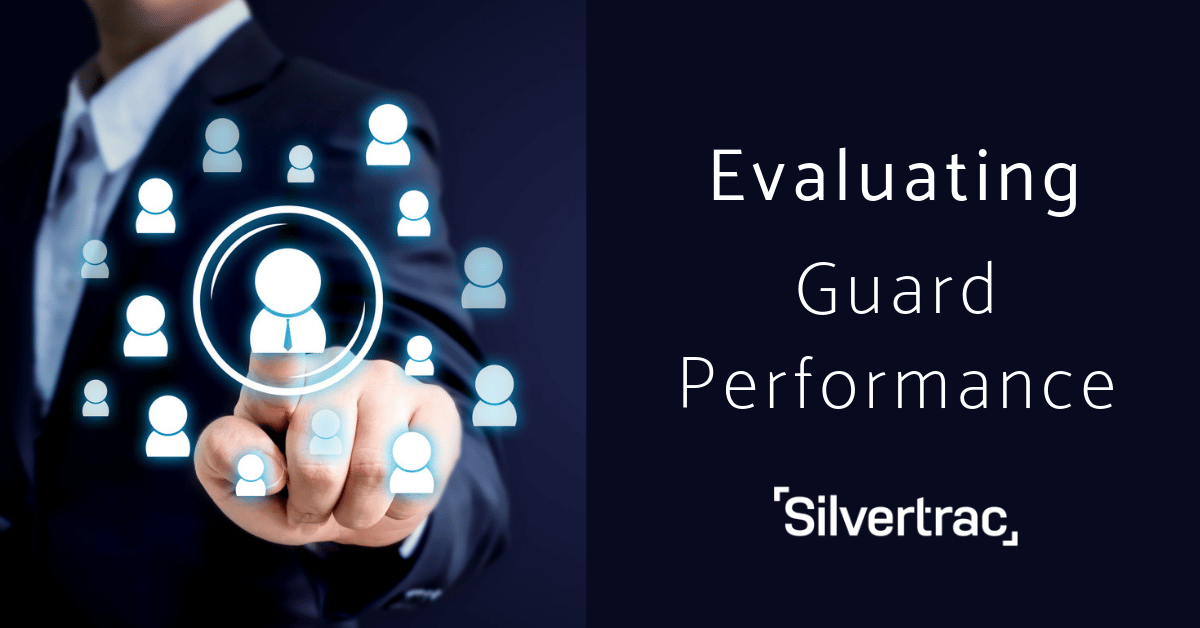
Conducting a Performance Review That Makes an Impact

Trackforce
August 30, 2016 · 7 min read
Your security officers are the face of your company, and they need to operate to your high standards every shift. From making a great first impression with clients and everyone who enters their facilities, to reporting incidents accurately and completing assigned tasks efficiently, great officers are what set your security company apart.
Part of managing a great workforce is conducting a performance review on an annual, semiannual or quarterly basis so that you and your officers are working toward the same goals. But a review should be more than a scoresheet handed over with no context or discussion. To run a performance review that truly changes how an officer performs in the field, keep the following in mind.
Key takeaways
- A review is a conversation, not a scoresheet.
Officers improve when they understand the score, agree on the next step and have a chance to be heard. - Nothing in a review should be a surprise.
Address issues when they happen, so the formal review confirms progress rather than delivering bad news. - Every review should end with actions.
Give strong and struggling officers alike one or two specific steps to improve or advance. - Use data to keep it fair.
TrackTik records tours, reports and attendance throughout the year, so reviews rest on facts both sides can see.
Avoid Confrontation and Surprises
Performance reviews can be stressful for you and your officers. Ideally, by the time review season comes around, you have already addressed ongoing issues as they happened, so nothing you raise should be a surprise. Avoid using the meeting to bombard an officer with a list of problems; it only demotivates them and hurts their performance overall. Regular post inspections throughout the year make this much easier.
Provide Actionable Steps
Aim to give every officer actionable steps. Whether their overall performance is exemplary or poor, you can offer specific ways to build skills, perform better or advance their security career. Even average officers respond well to a clear next step.
Have Conversations
A performance review should be a two-way street. Share how you see the officer’s on-the-job skills, and give them the chance to share their view of their own performance. Ask whether there is anything you can do to make their job easier or help them reach their career goals. Gathering feedback from your officers is one of the most underused tools in security management.
Review procedures that go beyond the typical scorecard help you retain great officers and help underperforming officers become better employees.
What to Measure in a Security Officer Performance Review
Fair reviews rest on evidence collected throughout the period, not memory. These measures cover the core of the job, and most can come straight from your guard management software.
| Measure | Where the data comes from | What good looks like |
|---|---|---|
| Guard tour completion | Checkpoint scans in the guard tour system | Tours completed on schedule with few missed checkpoints |
| Report quality and timeliness | Incident and activity reports | Complete, factual reports submitted during the shift |
| Attendance and punctuality | Clock-ins and schedule history | Shifts covered on time with no unexplained absences |
| Post order adherence | Site tasks and checklists | Required tasks completed and documented |
| Client and supervisor feedback | Client comments and supervisor notes | Positive feedback and issues resolved quickly |
| Training and certifications | Training records | All required training current, with progress on development goals |
A Simple Review Agenda
Structure keeps the conversation productive and fair. This six-step agenda works for officers and supervisors alike.
- Open with strengths. Name specific things the officer did well, with examples.
- Review the data together. Walk through tour, reporting and attendance results so the officer sees the same facts you do.
- Ask for their view. Let the officer assess their own performance before you share your overall rating.
- Agree on one or two goals. Keep them specific and measurable, such as completing every tour on schedule for the next quarter.
- Ask what support they need. Training, coaching, a schedule change or better equipment can remove real obstacles.
- Set a follow-up date. Check progress in 30 days rather than waiting for the next formal review.
Questions to Ask Your Officers
- What part of your post is working well, and what gets in your way?
- Is there anything in your post orders that is unclear or out of date?
- What training would help you most over the next six months?
- Where do you want to be in your security career a year from now?
- What could your supervisor do differently to support you?
Common Performance Review Mistakes
- Relying on memory. Recent events crowd out the rest of the period. Use records from the whole review window.
- Saving problems for the review. Issues should be addressed when they happen; the review confirms progress.
- Reviewing everyone the same way. A mobile patrol officer and a front-desk officer have different jobs; measure what each post requires.
- Skipping the follow-up. Goals without a check-in date rarely get met.
- Not reviewing supervisors. Officers perform best under strong supervisors, who deserve the same structured review.
How Often Should You Review Security Officers?
| Cadence | Who | Focus |
|---|---|---|
| Every shift or week | Supervisor | Quick feedback on tours, reports and post issues |
| Monthly | Supervisor or site manager | Review the data and address trends early |
| Quarterly | Manager and officer | Formal review against agreed goals |
| Annually | Manager, officer and HR | Development plan, career path and compensation |
How TrackTik Makes Performance Reviews Fair and Fast
TrackTik, the Trackforce platform for security operations, records the work as it happens, so reviews take less preparation and carry more weight.
- A full-period record: tours, reports, site tasks and attendance are captured every shift, so nothing depends on memory.
- Report quality you can coach: ReportPro AI helps officers write complete reports, and supervisors can see where coaching is needed.
- Comparisons that are fair: business intelligence dashboards show performance by officer, site and period.
- Training in the same place: training records sit alongside performance data, so development goals are easy to track.
Armour Security built its growth on this kind of accountability, scaling from 3 guards to 1,250 on TrackTik.
Reviews That Retain Your Best Officers
Officers stay where they feel seen, supported and fairly assessed. A clear, data-backed review is one of the most effective retention strategies available, and it costs nothing but preparation. Pair it with an engaging training program, and to see how TrackTik gives your supervisors the data to run better reviews, request a demo.
Frequently Asked Questions
Latest Articles





Featured Resources





See Trackforce in action
Book a walkthrough with our team and see how it fits your operation.