Key Ways University Security Can Improve Campus Safety

Trackforce
July 9, 2021 · 8 min read

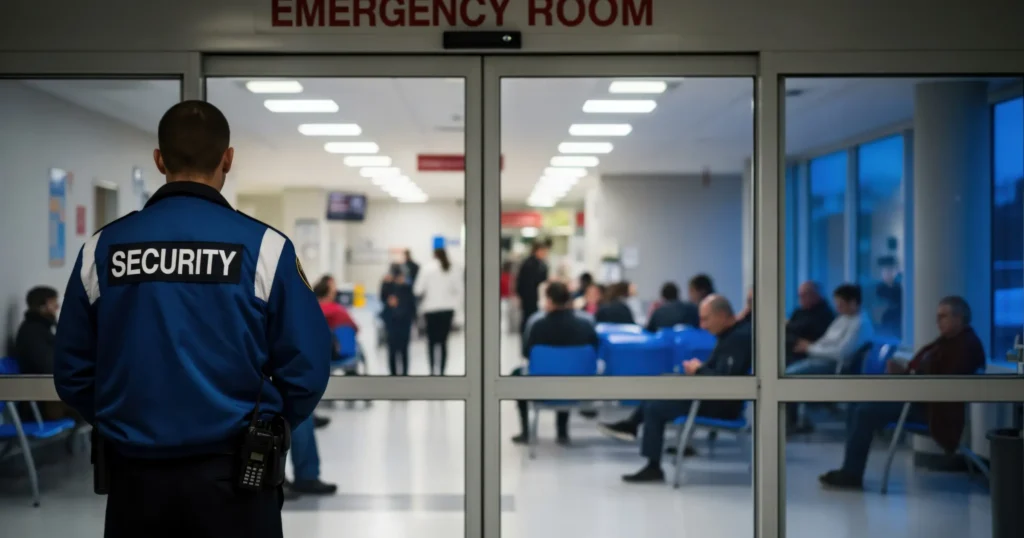
Every new academic year brings thousands of students, staff and visitors onto campus, and with them a new set of risks for university security teams to manage.
Campus security teams face a constant challenge: providing the right level of protection for a large, constantly changing campus population. There are several key areas security teams need to focus on to minimize the risk of serious incidents every school year.
Key takeaways
- Know the data.
Forcible sex offenses made up 44% of reported on-campus crimes in 2021, according to NCES. - Compliance is part of security.
The Clery Act requires annual security reports, a daily crime log, timely warnings and emergency notifications. - Focus on the highest-risk areas.
Residence halls, parking areas, large events and restricted buildings each need a specific plan. - Speed of response matters most.
Real-time dispatch to the closest officer shrinks response time when a call comes in. - One platform keeps it together.
TrackTik connects patrols, dispatch, incident reporting and visitor management, and helps keep Clery records audit-ready.
What Campus Crime Data Shows
When you look at crime data for colleges and universities, you can see why security teams keep looking for ways to improve safety. According to the National Center for Education Statistics, degree-granting institutions reported about 23,400 on-campus criminal incidents in 2021, or 16.9 per 10,000 full-time-equivalent students. Forcible sex offenses accounted for 44% of those crimes, and their rate rose from 2.2 to 7.5 per 10,000 students between 2011 and 2021.
Behind every statistic is a student, employee or visitor who expected to be safe. That is why campus security teams keep investing in prevention, faster response and better documentation.
Student wellbeing is part of the picture too. Campus officers increasingly respond to mental health concerns as well as crimes, which makes training, clear escalation paths and accurate documentation more important than ever.
Planning for the Future: Security in Higher Education Is Evolving
Two priorities come up again and again for campus security leaders: better incident management processes and tools and better visitor management.
With many of the threats and incidents happening both on and off campus, security needs to ensure a fast response time and accurate incident reporting, helping local authorities and internal security teams to quickly resolve issues. Furthermore, having a standardized incident reporting solution helps establish better data analytics that can help uncover proactive ways to mitigate the risk of future incidents.
Visitor management is the second priority. Knowing who is on campus, who they are visiting and when they leave is essential, and TrackTik guard management lets officers manage visitors from the same mobile app they use for tours and reports.
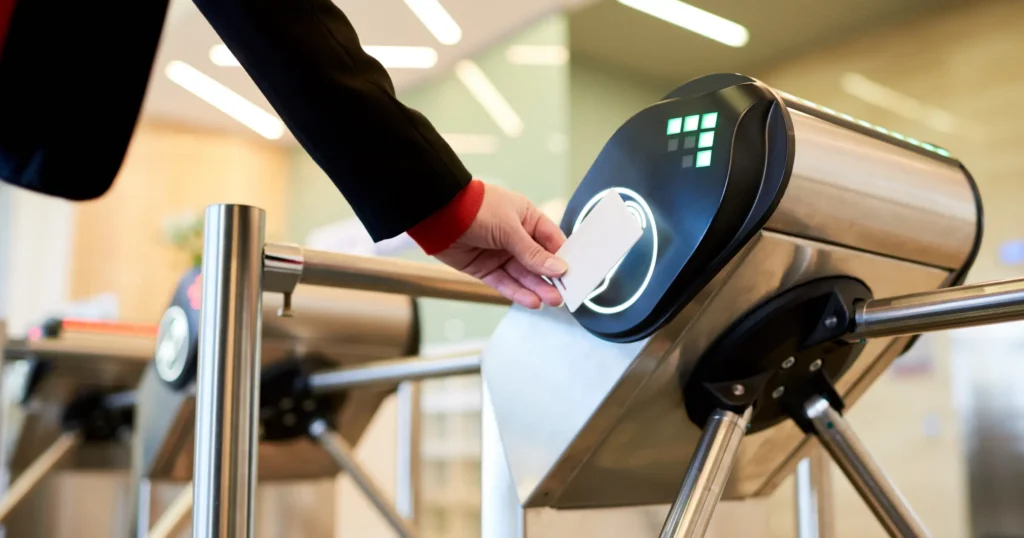
Proper security processes in colleges and universities include monitoring solutions, like cameras and motion sensors. Coupled with access control solutions, security teams can prevent unauthorized access.
With a number of visitors that come in and out of the campus, having a real-time list of expected visitors and a list of unauthorized visitors can be a literal lifesaver in security.
Technology Continues to Help Reduce Risk for Campus Security
Looking at the existing technologies that exist in colleges and universities, there are many that are designed to monitor and limit access for those that are unauthorized. Yet, more is gained from additional tools.
Security forces are adopting mobile solutions that track patrols and tours, ensuring that their guards are hitting checkpoints and checking the safety of critical high risk areas.
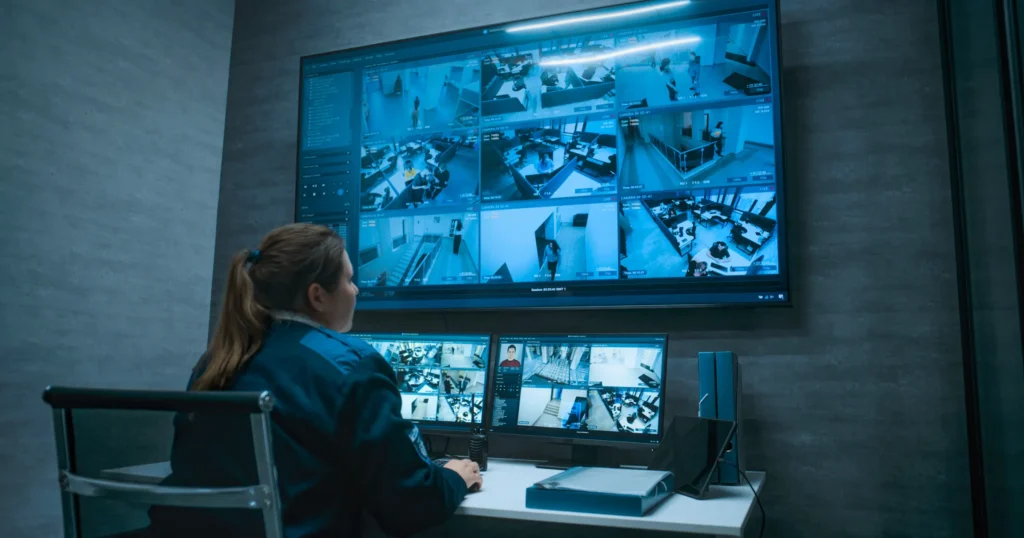
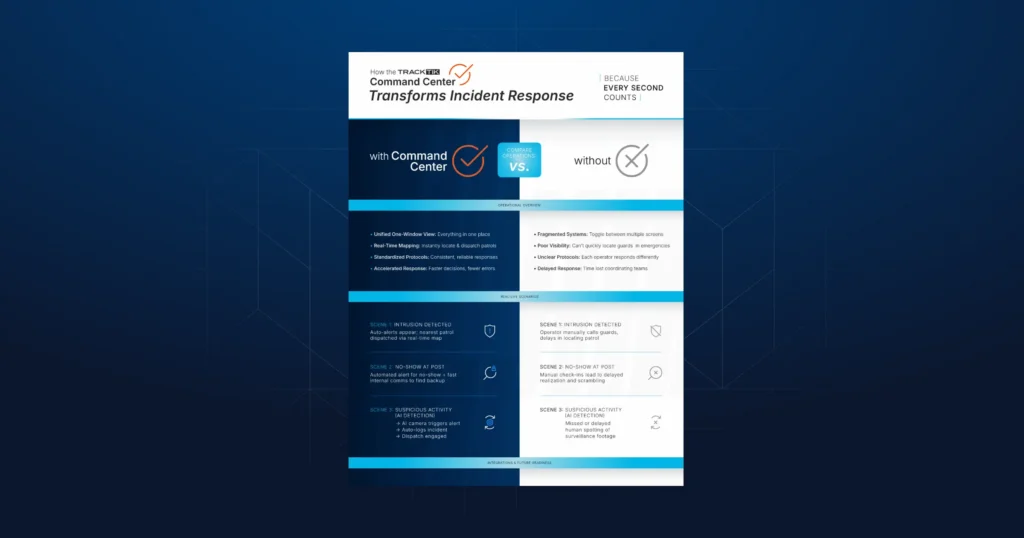
Most importantly is the ability to push information out in real-time to these guards in the event of an incident. Response time is critical, and security teams are leveraging central command centers that enable real-time notification and geolocation to find where the closest teams are in response to an incident. This way, when a student hits a panic button or alarm, the security team is able to notify the closest resource, shrinking response time and mitigating risk of further harm.
Every academic year is a chance to update the people, processes and campus security software that help reduce risk and drive greater efficiency in threat response. For a look at the technology side, from access control to security operations centers, see Campus Security 101: Modern Solutions for Safer Higher Education.
The Clery Act: The Compliance Side of Campus Security
For colleges and universities that take part in federal student aid programs, campus safety is also a legal obligation. Under the Clery Act, institutions must:
- Publish an Annual Security Report by October 1 each year, with crime statistics for the three most recent calendar years and required safety policies
- Keep a daily crime log that is open to public inspection
- Issue timely warnings for Clery crimes that pose a serious or continuing threat to the campus community
- Send emergency notifications when there is an immediate threat to the health or safety of students or employees
- Identify and train Campus Security Authorities to report crimes they witness or learn about
Every one of these depends on accurate, time-stamped records. Learn more about why the Handbook for Campus Safety and Security Reporting matters, and see how TrackTik helps higher education teams keep Clery Act and Title IX records audit-ready.
Campus Risk Areas and How to Address Them
| Area | Common risks | What helps | How TrackTik helps |
|---|---|---|---|
| Residence halls | Unauthorized entry, assaults and burglary | Access control and regular, verified patrols | Guard tours with checkpoint scans that prove every round |
| Parking lots and garages | Vehicle theft and incidents after dark | Lighting, patrols and emergency call points | Mobile patrol routes with GPS-verified stops |
| Large events | Crowds, medical calls and disorder | Staffing plans and clear dispatch | Command Center and real-time dispatch |
| Labs and restricted buildings | Equipment theft and unauthorized access | Access control and key management | Asset tracking for keys and equipment |
| Visitor entry points | Unknown or unauthorized visitors | Visitor screening and logs | Visitor management in the guard mobile app |
| Open campus grounds | Trespassing and suspicious activity | Visible patrols and cameras | A live map of every officer’s location |
Bringing these together is what makes a campus program effective. TrackTik Command Center consolidates alarm monitoring, video access and dispatch, TrackTik security operations shows every tour scan and report on a live map, and TrackTik asset tracking documents who has every key and piece of equipment. Yale Public Safety, for example, uses TrackTik to track calls, run reports and respond to campus incidents faster. Read how Yale University rolled out TrackTik.
A Campus Security Readiness Checklist
- Review last year’s incident data by location and time with TrackTik business intelligence.
- Update patrol routes for new buildings, construction and changes in campus traffic.
- Test emergency notification and panic alarm procedures.
- Train Campus Security Authorities on their reporting obligations.
- Standardize incident report templates so every officer captures the same details.
- Confirm visitor management procedures for residence halls and restricted buildings.
- Plan staffing for move-in days, athletics and other large events.
- Confirm your Annual Security Report process well ahead of October 1.
Want one platform for campus patrols, dispatch and reporting? Book a TrackTik demo to see it in action.
Frequently Asked Questions
Latest Articles

Featured Resources

See Trackforce in action
Book a walkthrough with our team and see how it fits your operation.