Is Your Company Culture Attracting The Right Security Officers?

Trackforce
May 15, 2019 · 14 min read

A strong company culture will attract the right type of employees and is a basic requirement for any successful business, given that employees play a critical role in that success. The security industry is no different. As we discussed in Why Do Good Security Guards Quit? and our free Ultimate Guide to Retaining Your Security Guards, defining and establishing your company culture plays a big role in paving the way for establishing a team of reliable and dependable security officers.
For security firms, culture is not a poster in the break room. It shows up in whether schedules are fair, whether pay is right, whether supervisors answer the phone, and whether officers have the tools to do the job well. Those are the details a candidate notices in the first week, and they decide whether a good officer stays past 90 days.
Key takeaways
- Culture is a set of lived values, not a slogan.
Officers judge it by what happens on shift: schedules, pay, supervisors and equipment. - Culture decides who applies and who stays.
A weak culture attracts officers who do not care about quality and pushes the best ones out the door. - Small details carry a lot of weight.
Uniforms, first impressions and how a complaint is handled all tell an officer how much the role matters. - Supervisors are the culture in the field.
The owner sets the values, but the supervisor is the person an officer actually experiences every day. - The right tools make culture visible.
TrackTik puts fair scheduling, accurate pay, mobile reporting and performance data in one place, so officers see the company keeping its promises.
What Is Company Culture?
Company culture can be hard to define, but at its essence, it’s about establishing and embodying a set of values. A well-defined culture is one that is created, understood, and promoted by your employees, and on a security team that is no different.
Whether you see innovation, customer service, social responsibility, or any other characteristics as the driving values behind your company, it’s important that your employees understand and care about those values as well.
Finding officers who identify with your culture ensures that they will appropriately represent your company in the field. They will be able to better communicate with clients they come in contact with, and they will be more dedicated to the organization, increasing employee and client satisfaction. When culture is weak or an employee doesn’t identify with the values in place, they are much more likely to function for themselves and not the greater good of the company. This can cause performance issues, higher turnover, client dissatisfaction, and supervisor frustration.
Role of Company Culture in Attracting Qualified Employees
The quality of company culture plays a big role in employee satisfaction and retention. For instance, imagine an officer coming in for an interview, and the first person the candidate interacts with is a rude, sloppily dressed receptionist. That first impression sets the tone for what the interviewee is going to expect from the rest of the company. Less than stellar behavior leaves a company at a much higher risk of attracting employees that don’t care about quality service and work ethic. This type of environment is bound to lead to unmotivated, disinterested officers that will be less than mediocre, decreasing the value of the services provided.
A lot of security companies justify not investing in a corporate culture by insisting that the majority of their hired officers leave within 90 days. These types of employers need to understand that the best security officers leave the job because they don’t have a reason to stay with the company. If a business owner is not spending the time and effort to establish values and make officers feel like an important part of the organization, skilled security officers will go find a company that respects and acknowledges their efforts and worth. A time will come when no good or reliable security officers will turn to the company that has failed to establish culture!
“The best approach to attracting top-notch security officers is investing in employees, providing them a chance to grow within and beyond the company.”
The stakes are high. Turnover in the security industry reached 89% in 2024, according to the UC Berkeley Labor Center, so every officer who leaves early is replaced at a real cost in recruiting, training and lost client confidence. A culture that gives officers a reason to stay is one of the few levers a firm controls completely.
What Security Officers Notice About Your Culture First
Candidates and new hires do not read your values statement. They read the signals around them. The table below lists the signals that come up again and again when officers explain why they stayed with one company and left another.
| What officers notice | What it tells them | What a strong culture does |
|---|---|---|
| The schedule | Whether the company respects their time and whether hours are predictable | Publishes schedules early, honors requested time off and fills open shifts fairly instead of leaning on the same few people |
| The paycheck | Whether hours worked become pay without a fight | Tracks time and attendance accurately so pay disputes do not happen in the first place |
| The uniform and equipment | How much the role matters to the company | Provides a clean, professional uniform and modern tools, including a phone app instead of a paper logbook |
| The supervisor | Whether anyone will listen when something goes wrong | Responds quickly, explains decisions and coaches instead of punishing |
| The reports | Whether their work is actually seen | Reviews reports, shares results with clients and recognizes good work by name |
| The next step | Whether there is a future here | Offers training, certifications and a visible path to better posts or supervision |
Every row in that table is something a firm can measure and improve. The sections below cover the details that matter most, and the end of the article shows how TrackTik turns these promises into daily practice.
Tips For Establishing A Quality Culture
One of the greatest things company owners can do to strengthen their corporate culture is by paying attention to smaller details and the overall needs of their employees.
Start With the Uniform
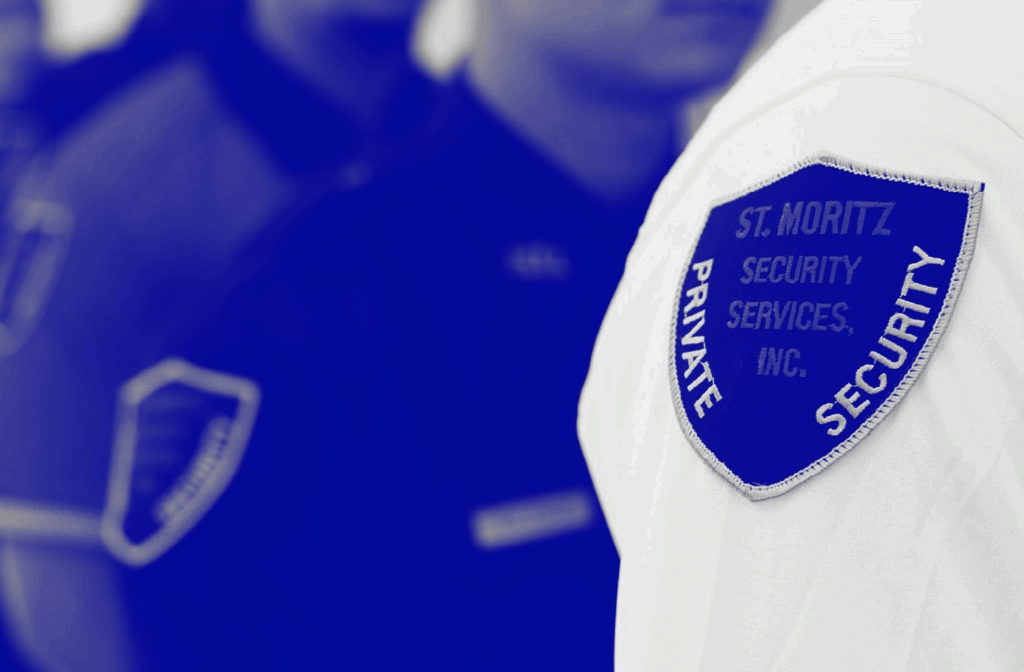
For instance, an important yet sometimes underrated aspect of security companies are the officer uniforms. Not only do these uniforms project a public image, but the officers themselves will be impacted by what they wear. Allowing an officer to arrive at a post with a wrinkled, ugly uniform sends the message that their role isn’t all that important. With so many officers coming from law enforcement or military backgrounds, where uniforms send a strong message, it’s important to pay attention to this detail. Creating a culture with the precedent that officers should be well-kept will not only help the officer feel more important, but others will regard them and your business with more respect.
For a closer look at why this detail pays off, read 5 Benefits of Providing Uniforms for Your Officers.
Put the Right Supervisors in Place
Aside from appearance, putting the right security management team in place is critical. While the company owner sets the cultural values, the supervisors are an officer’s main point of contact. When supervisors embody the company culture, they can actively work to integrate these values into day-to-day operations. It is truly a team effort when establishing and growing company culture.
We can’t overstate how important this is. Over the years, our team has heard horror stories of companies having major problems with supervisors. They communicated poorly with officers, punished those who complained about bad schedules, and created an overall environment of fear. Officers kept quitting and were not performing their best which lead to client complaints. These are the severe impacts a bad supervisor can have on a company.
Our Keys to Managing Supervisors series goes deeper on how to hire, train and measure the people who carry your culture into the field.
Implementing and fostering a strong company culture will help any security organization build a team of strong, hard-working, responsible and dedicated individuals. The more members who endorse and buy into the culture, the more integrated it will be in day-to-day operations. With this in place, the company will continue to attract the types of employees they are looking for and maintain a high level of employee satisfaction and retention.
Where Culture Breaks Down Day to Day
Most firms do not lose good officers over one big failure. They lose them over small, repeated frustrations that signal nobody is paying attention. These are the five breakdowns we hear about most, and what to do about each one.
- Last-minute schedule changes and unfilled shifts. When the schedule changes the night before, or the same reliable officers are always asked to cover, people burn out quietly. Build schedules around availability, skills and certifications, and broadcast open shifts to every qualified officer instead of calling the same three people. TrackTik people management matches officers to posts this way and keeps certification records in the same place.
- Pay that is late, short or disputed. Nothing damages trust faster than chasing hours that were worked. Capture time and attendance at the post so hours flow straight to payroll without a spreadsheet in between. Trackforce built TrackTik to automate payroll and workforce administration for exactly this reason.
- No-call, no-shows that go unaddressed. When one officer skips a shift and nothing happens, the officers who showed up notice. Apply a consistent policy every time, and make sure supervisors have the coverage tools to respond. Our guide to resolving no-call, no-shows walks through a fair process.
- Reports that disappear. Officers write incident reports and never hear what happened next. Review reports promptly, share them with the client, and tell the officer when their report made a difference. Guided mobile reporting makes this easier because the report arrives complete and readable the first time.
- No feedback in either direction. Officers rarely get coaching, and management rarely asks what is going wrong at the post. Schedule short, regular check-ins and act on what you hear. Gathering feedback from your security officers is one of the cheapest culture investments a firm can make.
How to Measure Whether Your Culture Is Working
Culture feels intangible, but its results are not. A handful of operational numbers will tell you whether officers are responding to the environment you have built.
- 90-day retention rate for new hires, the clearest signal of whether onboarding and early supervision are working
- No-call, no-show rate by site and by supervisor, not just company-wide
- Time to fill an open shift, which drops when officers trust the schedule and want the hours
- Unplanned overtime hours, an early warning that a site is understaffed or that the same people are carrying it
- Tour and site task completion and report quality, which reflect how much officers care about the work
- Client complaints that trace back to officer conduct, appearance or coverage gaps
- Exit interview themes, recorded consistently so patterns show up across departures
Tracking these by site and supervisor shows where culture is strong and where it needs attention. TrackTik business intelligence pulls scheduling, attendance, tour and incident data into dashboards so those patterns are visible without building spreadsheets by hand.
How TrackTik Supports a Strong Security Company Culture
Culture is built by people, but the systems behind them either reinforce it or quietly undermine it. Trackforce designed TrackTik so the daily experience of an officer, from the first schedule to the last paycheck, matches what the company says it values.
- Fair, transparent scheduling. Officers see their shifts in the mobile app, request time off and pick up open shifts that match their certifications, all through TrackTik guard management.
- Accurate pay, every time. Clock-ins at the post feed time and attendance and payroll directly, so hours worked become hours paid with no argument.
- Professional tools on shift. The TrackTik Guard Tour App replaces paper logbooks with checkpoint scans, post orders and guided reports, which tells officers the company has invested in their work.
- Reports that get read. ReportPro AI helps officers turn quick field notes into clear, client-ready incident reports, so good work reaches the client instead of sitting in a drawer.
- Supervisors who can see the field. TrackTik dispatch gives supervisors live visibility into who is on post and who needs backup, so they can support officers instead of chasing them.
- Recognition backed by data. Tour completion, report quality and attendance are all recorded, which makes it easy to recognize the officers who consistently deliver.
Ready to see how it works for your team? Book a TrackTik demo.
Frequently Asked Questions
Latest Articles





Featured Resources





See Trackforce in action
Book a walkthrough with our team and see how it fits your operation.