St. Moritz Continues to Deliver High-Value Service to their Customers with TrackTik’s End-to-End Solution
St. Moritz Continues to Deliver High-Value Service to their Customers with TrackTik’s End-to-End Solution
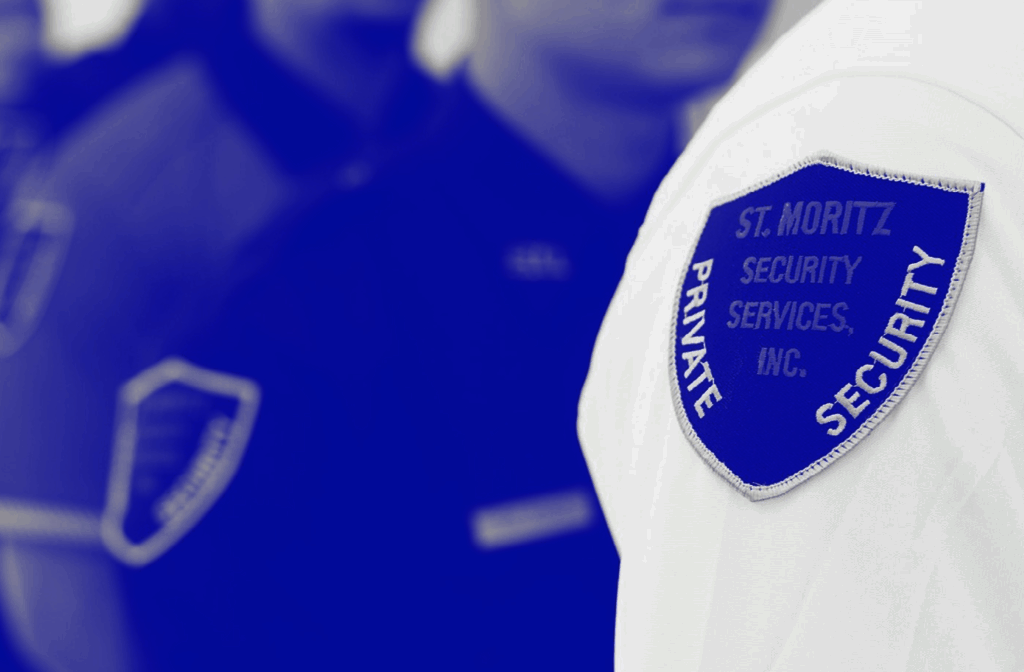
St. Moritz is a Pennsylvania-based corporation —owned and operated by Philip St. Moritz— that started as a regional company and has grown to have a national footprint. With 30 offices stretching from Boston, all the way to Hawaii, they employ over 3000 workers servicing retail, industrial and patrol clients.

St. Moritz Security Services focuses on the individual needs of their clients. They forego generic pre-packaged services in favor of offering a program that is put together based on their client’s individual needs. This is why St. Moritz attracts a lot of customers whose needs are very specific.
The only thing that comes pre-packaged with their services is quality employees and guards. They’re not interested in simply throwing a body into a suit. From the top-down, St. Moritz makes sure its workers deliver high-value service. Their retention rates are much higher than the industry standard which allows them to maintain quality in their security operations.
St. Moritz has grown quickly since being established in 1982 and one of their biggest concerns is losing the ability to focus on the unique needs of their clients as they scale.
How Trackforce supports high-value service at scale
Growing without losing that client focus is the exact problem Trackforce built its platform to solve. St. Moritz runs on TrackTik, the Trackforce platform that brings scheduling, patrols, reporting and billing into one system, so a 30-office operation can still treat every client program as its own.
Four capabilities carry most of that weight. Guard management keeps officer assignments, certifications and shift coverage consistent across every branch. Security operations gives supervisors a live view of what is happening on site instead of a report that lands the next morning. Business intelligence turns that activity into client-facing evidence, and contracts and invoicing makes sure the hours delivered are the hours billed.
The payoff lands in two places St. Moritz already cares about. Officer quality holds when scheduling and pay are predictable, which is the pattern behind the data-driven approach to security guard retention. And client trust builds fastest when customers can see the work for themselves rather than take a provider at its word.
Frequently Asked Questions
Latest Articles



Featured Resources
See Trackforce in action
Book a walkthrough with our team and see how it fits your operation.