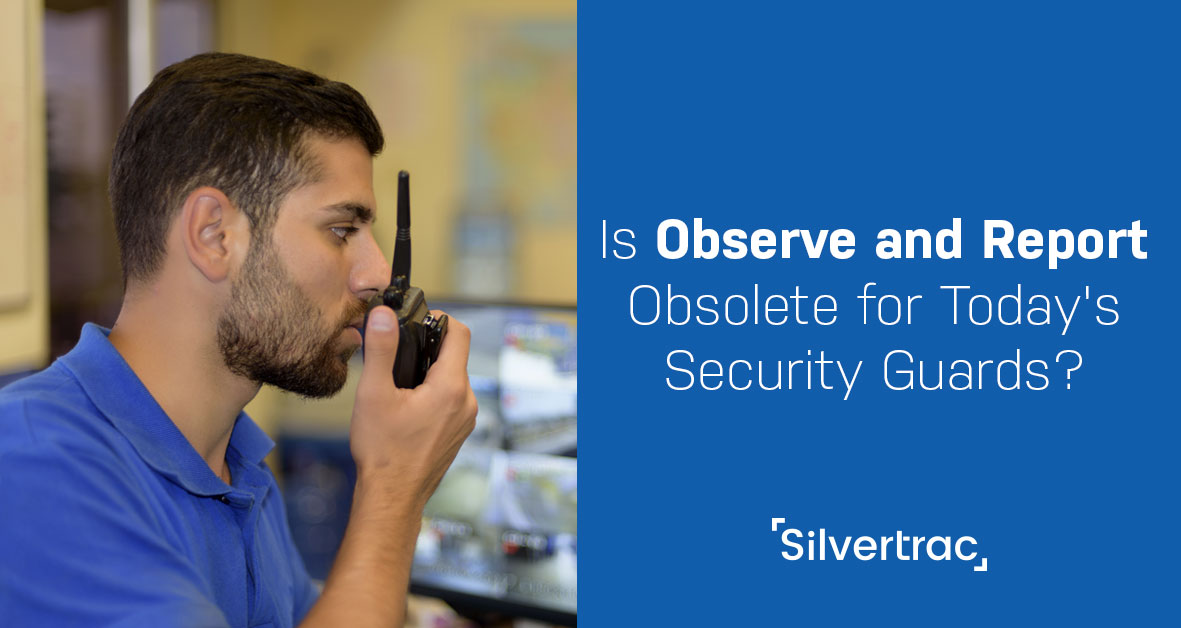
Ist „Observe & Report“ für heutige Sicherheitskräfte überholt?

Trackforce
November 1, 2018 · 8 min read
Am 26. August 2018 eröffnete ein Bewaffneter bei einem „Madden NFL“-Gaming-Turnier in Jacksonville, Florida, das Feuer, wobei zwei Menschen ums Leben kamen und zehn weitere verletzt wurden. Nach dem Vorfall beschloss ein Überlebender, den Veranstalter und den Spielehersteller zu verklagen, da diese seiner Meinung nach keine ausreichenden Sicherheitsvorkehrungen getroffen hatten.
Aber selbst wenn an diesem Tag mehr Sicherheitskräfte im Dienst gewesen wären – hätten sie dann überhaupt etwas gegen den Vorfall unternehmen können?
Die wichtigsten Erkenntnisse
- Observe and report has limits.
Officers who only watch and call for help can be blamed when an incident escalates. - Intervention carries risk too.
Officers who step in can face use-of-force claims and negligence lawsuits. - There is a middle path.
Many firms define specific responses, like de-escalating or evacuating, for specific situations. - Post orders and training must match.
Never ask officers to do more than they are trained, licensed and authorized to do. - Documentation protects everyone.
TrackTik records what officers saw and did with time-stamped photo, video and GPS evidence.
What Does Observe and Report Mean?
Observe and report is a post order policy that limits an officer’s role to watching for problems and reporting them, usually to a supervisor, the client or law enforcement, without physically intervening. It has long been the default for security firms providing unarmed contract security, because it keeps officers out of situations they are not trained, equipped or authorized to handle.
The policy protects officers and limits liability, but it can leave a gap when an incident escalates faster than help can arrive. The cases below show both sides of that tension.
Man ist verdammt, egal was man tut
Im Jahr 2010 eröffnete eine Mitarbeiterin von Kraft Foods in einem Werk in Philadelphia das Feuer auf ihre Kollegen und tötete dabei zwei Menschen. Während des Vorfalls riefen die Sicherheitskräfte und der diensthabende Vorgesetzte den Notruf 911 an, griffen jedoch nicht ein. Die Familien der Verstorbenen verklagten das Sicherheitsunternehmen und erhielten 46,5 Millionen Dollar Schadenersatz zugesprochen (der größte Teil davon wurde jedoch sieben Jahre nach dem Vorfall in der Berufungsinstanz aufgehoben).
Die Sicherheitskräfte hielten sich an die alte Richtlinie für Vertragswächter, die besagte: „Beobachten und melden“. Nach dieser Richtlinie könnte man argumentieren, dass die Sicherheitskräfte ihre Pflicht erfüllt haben, indem sie den Vorfall der Polizei meldeten und sich anschließend versteckten, um sich selbst zu schützen.
Sicherheitskräfte befinden sich in einer schwierigen Lage, da ihre Möglichkeiten, gefährliche Personen zu verletzen oder festzuhalten, in der Regel begrenzt sind.
„Private Sicherheitskräfte geraten dadurch letztendlich in eine ausweglose Situation“, schreibt Laura Spadanuta im „Security Management Magazine“. „Wenn Sicherheitskräfte eingreifen, drohen ihnen strafrechtliche Konsequenzen wegen übermäßiger Gewaltanwendung oder erneut Klagen wegen Fahrlässigkeit.“
Wenn also am Tag der Schießerei in Jacksonville mehr Sicherheitskräfte vor Ort gewesen wären, wie hätten sie dann mit der Situation umgehen sollen?
Über alle Erwartungen hinaus
Im Jahr 2015 führten wir ein Interview mit Robert Sollars, einem Autor, Sicherheitsberater und Experten für Gewalt am Arbeitsplatz. Wir sprachen mit ihm über die Klage gegen Kraft Foods.
„Manchmal muss man über die eigenen Dienstanweisungen hinausgehen, um das Leben und das Eigentum des Kunden, den man beschützt, zu sichern“, sagte Sollars. Er fügte hinzu: „Es gibt immer eine Möglichkeit, die Situation zu entschärfen oder die Person davon abzubringen, das zu tun, was sie gerade tut.“
In an ideal world, security officers would be trained to safely intervene and de-escalate dangerous situations. However, when many officers are being paid minimum wage, and turnover rates are estimated to be between 100% and 400% annually, this kind of training just isn’t feasible for many security companies.
Three Post Order Models Compared
Most firms do not have to choose between all or nothing. Many now use a middle path, with clearly defined responses for specific situations.
| Model | Was Beamte tun | Typical fit | Hauptrisiko |
|---|---|---|---|
| Beobachten und berichten | Watch, document and call for help without intervening | Unarmed posts, lower-risk sites and officers with limited training | Seen as inaction when an incident escalates |
| Beobachten, melden und reagieren | Follow defined actions for specific situations, such as de-escalating, evacuating or securing an area, while help is on the way | Most commercial, residential and public-facing sites | Requires clear post orders and regular training |
| Active intervention | Physically intervene to stop a threat within their legal authority | Armed or specially trained officers with explicit client authorization | Higher use-of-force and liability exposure |
How to Write Post Orders That Protect Officers and Clients
- Define authority by situation. Replace a blanket “observe and report” with plain-language guidance for each type of incident.
- Spell out the likely incidents. Cover the situations most likely at that site, such as trespassing, a medical emergency, a fight or an active threat.
- Name the escalation path. List who to call, in what order and how quickly.
- Match the order to the officer. Never ask officers to do more than they are trained and licensed for, and review these practices for keeping security guards safe.
- Train and refresh. Build de-escalation, communication and situational awareness skills, then refresh them regularly.
- Agree with the client in writing. Make sure the client’s expectations match what officers are actually authorized to do.
- Deliver post orders digitally. Digital post orders help officers understand their tasks and let you confirm they have read them.
Documentation Is the Officer’s Best Protection
Whatever model you choose, the record of what officers saw and did is what protects them, the company and the client when an incident is questioned later. Trackforce built TrackTik to make that record complete.
- Post orders on every phone. TrackTik guard management sends post orders straight to officers’ mobile devices, so nobody works from an outdated binder.
- Evidence that holds up. Security incident reporting guides officers through each report and attaches time-stamped video, photo, audio and GPS evidence that holds up, even in litigation.
- Clear, consistent write-ups. ReportPro AI helps officers turn rough field notes into clear, accurate reports.
- Help on the way, fast. A panic button alerts the command center, and security guard dispatch sends the closest available officer.
- Immediate escalation. Automatic email or text notifications reach supervisors, clients and third parties the moment an incident is reported.
This article is general information, not legal advice. Officer authority and use-of-force rules vary by state and country, so review your policies with legal counsel and your licensing requirements.
Want to see how TrackTik documents every incident from first observation to final report? Book a TrackTik demo.
Häufig gestellte Fragen
Neueste Artikel


Empfohlene Ressourcen





Sehen Sie Trackforce in Aktion
Vereinbaren Sie einen Termin für eine Vorführung mit unserem Team und finden Sie heraus, wie sich das Produkt in Ihren Betriebsablauf einfügt.