Einsatz von Sicherheitstechnologie zur Bekämpfung von Ladendiebstahl

Trackforce
May 21, 2019 · 9 min read
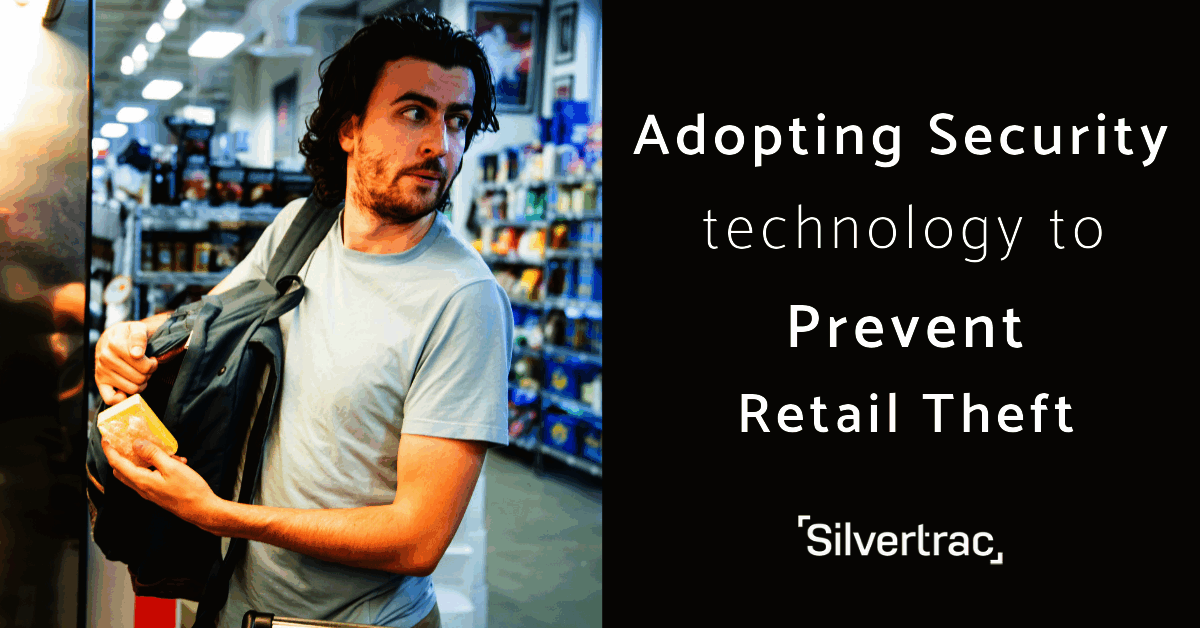
Retail stores remain one of the most common targets for theft. Shoplifting, organized retail crime, fraud and the violence that sometimes comes with them cost retailers billions every year and put employees, officers and shoppers at risk.
Loss prevention has never been easy for retailers of any size. That is why leading brands, and the security companies that protect them, keep investing in technology that helps them detect theft sooner, respond faster and document every incident. The good news is that those investments are starting to pay off.
Die wichtigsten Erkenntnisse
- Security investment is working.
Retailers reported fewer shoplifting incidents in 2025, and the National Retail Federation credits security measures in part. - The threat is shifting, not disappearing.
Repeat offenders, organized retail crime, walkout theft and fraud are rising, so security programs have to keep adapting. - Technology works best as a connected stack.
Cameras and alarms detect problems, but officers, dispatch and reporting tools are what turn an alert into a response. - Use facial recognition with caution.
Biometric tools face growing legal and regulatory scrutiny, so clear policies, human review and legal advice are essential. - Documentation drives prevention.
With TrackTik, every incident, tour and dispatch becomes data you can use to spot repeat offenders, adjust coverage and support prosecutions.
The State of Retail Theft Today
After several years of steep increases, retail theft is changing shape. According to the National Retail Federation’s Impact of Theft & Violence 2026 report:
- Shoplifting incidents fell 12.4% and merchandise theft fell 8.1% in 2025 compared with 2024, a decline NRF attributes in part to retailers’ security measures.
- Retailers reported higher rates of repeat offenders (50%), organized retail crime incidents (40%) and walkout or pushout theft (37%).
- Fraud is rising too, including phone scams (69%), loyalty fraud (51%) and gift card theft or fraud (42%).
- About two-thirds of retailers still report fewer than half of store theft incidents to law enforcement.
That decline followed a difficult year. NRF’s 2025 report found shoplifting incidents rose 18% in 2024, while threats or acts of violence during theft rose 17%. For a broader view of where the industry is heading, see these retail security trends driving change in 2026.
The Retail Security Technology Stack
No single tool stops retail theft. The most effective programs combine technologies that detect, respond, document and learn. Here is how the main pieces fit together.
| Technologie | Was es bewirkt | Am besten geeignet für | Vorsicht vor |
|---|---|---|---|
| Video surveillance and analytics | Monitors entrances, aisles, registers and parking lots, and flags unusual activity | Detection and evidence | Cameras only help if someone acts on what they see |
| Product protection | Security tags, locked displays and alarmed exits deter and alert on theft | High-value merchandise | Can frustrate honest shoppers if overused |
| Security workforce management | Schedules officers, guides patrols and tracks what happens on every shift | Visible deterrence and accountability | Works best when connected to dispatch and reporting |
| Real-time dispatch and command center | Routes alerts to the nearest officer and coordinates response across stores | Fast, consistent response | Needs clear escalation and response policies |
| Berichterstattung über Vorfälle | Captures what happened with photos, video, times and witness details | Prosecution, insurance and pattern analysis | Reports must be complete and consistent |
| Body-worn cameras | Records officer interactions and de-escalates tense encounters | Officer safety and evidence | Requires clear recording and retention policies |
| Facial recognition and biometrics | Matches faces against a list of known offenders | Identifying repeat offenders | Privacy laws, accuracy concerns and regulatory risk |
The connecting layer is what turns separate tools into a security program. TrackTik guard management keeps officers, tours, tasks and reports in one platform, so alerts from cameras and alarms lead to action and every action leaves a record.
How Real-Time Response Works in a Store
Real-time security technology has been especially valuable for retailers. When a threat or violation is detected, a notification goes straight to the closest security officer, who can step in and manage the situation. A typical response looks like this:
- Detect. A camera, alarm, store associate or officer on patrol spots suspicious activity.
- Alert. The alert reaches a dispatcher or a TrackTik Command Center operator with the location and details.
- Dispatch. TrackTik security guard dispatch sends the nearest available officer, who receives the details on a mobile device.
- Respond. The officer follows store policy, which often means observing, deterring and de-escalating rather than pursuing.
- Document. The officer files an incident report with photos, times and descriptions while the details are fresh.
- Learn. Managers review incident data to spot patterns and adjust coverage.
Use Facial Recognition and Biometrics With Care
Biometric surveillance can help identify known repeat offenders, but it also carries real legal and reputational risk. In 2023, the U.S. Federal Trade Commission banned a national pharmacy chain from using facial recognition for security for five years after finding its system had falsely flagged shoppers. Several states also regulate how biometric data can be collected and stored.
If you are considering biometric technology, get legal advice for every location you operate in, post clear notices where required, test for accuracy, and always require a trained person to review a match before anyone acts on it.
Security Officers Are Still the Front Line
Technology detects and records, but people deter and respond. A visible, professional officer discourages opportunistic theft, reassures shoppers and employees, and handles incidents calmly. Today’s retail officers are also customer service professionals, which is why many retailers now treat their security guards as retail ambassadors.
Patrols should cover the areas where theft and risk concentrate, including entrances, high-value aisles, fitting rooms, stockrooms, loading docks and parking lots. A TrackTik guard tour system confirms that every checkpoint is covered, and TrackTik mobile patrol helps security companies cover multiple stores and shopping centers efficiently.
With violence during theft on the rise, officer safety matters as much as asset protection. Clear de-escalation policies, training and lone worker support are essential to keeping security officers safe.
Turn Incident Data Into Prevention
Every incident report is a piece of intelligence. When reports are complete and consistent, they help retailers and security companies:
- Identify repeat offenders and share descriptions across stores and shifts.
- Find hot spots and peak times so officers are scheduled where and when they are needed.
- Support prosecutions and insurance claims with time-stamped evidence.
- Measure what is working as new technology and procedures are introduced.
TrackTik security incident reporting standardizes what officers capture, and ReportPro AI helps officers turn field notes into clear, professional reports in less time. TrackTik business intelligence then rolls incidents up by store, region and time, so owners and managers can make data-driven decisions and review officer performance with real numbers.
Building Your Retail Security Tech Stack in 5 Steps
- Start with your loss data. Review incident history to learn what is being taken, where, when and how.
- Close the detection gaps. Add cameras, product protection or patrol coverage where your data shows the greatest risk.
- Connect detection to response. Make sure every alert reaches an officer quickly, with clear escalation rules.
- Standardize documentation. Use consistent digital incident reports across every store and shift.
- Review and adjust quarterly. Use dashboards to see what has changed and move resources accordingly.
For retailers with in-house loss prevention teams, the same approach applies. Enterprise security teams can use one platform to standardize response and reporting across every location, whether officers are proprietary or contracted.
A Long-Term Investment in Safer Stores
With technology advancing quickly and criminals adapting just as fast, retailers and security companies need to keep evolving. A connected technology stack that includes video surveillance, security workforce management and incident reporting creates a more well-rounded security operation and can save money over the long term.
It also helps security companies make data-driven decisions and conduct performance reviews based on real guard performance data. The result is less theft, safer stores and a healthier business model that supports long-term growth.
Häufig gestellte Fragen
Neueste Artikel





Empfohlene Ressourcen





Sehen Sie Trackforce in Aktion
Vereinbaren Sie einen Termin für eine Vorführung mit unserem Team und finden Sie heraus, wie sich das Produkt in Ihren Betriebsablauf einfügt.