El aumento de los índices de delincuencia y cómo puede ayudar el sector de la seguridad

Trackforce
August 27, 2019 · 11 min read
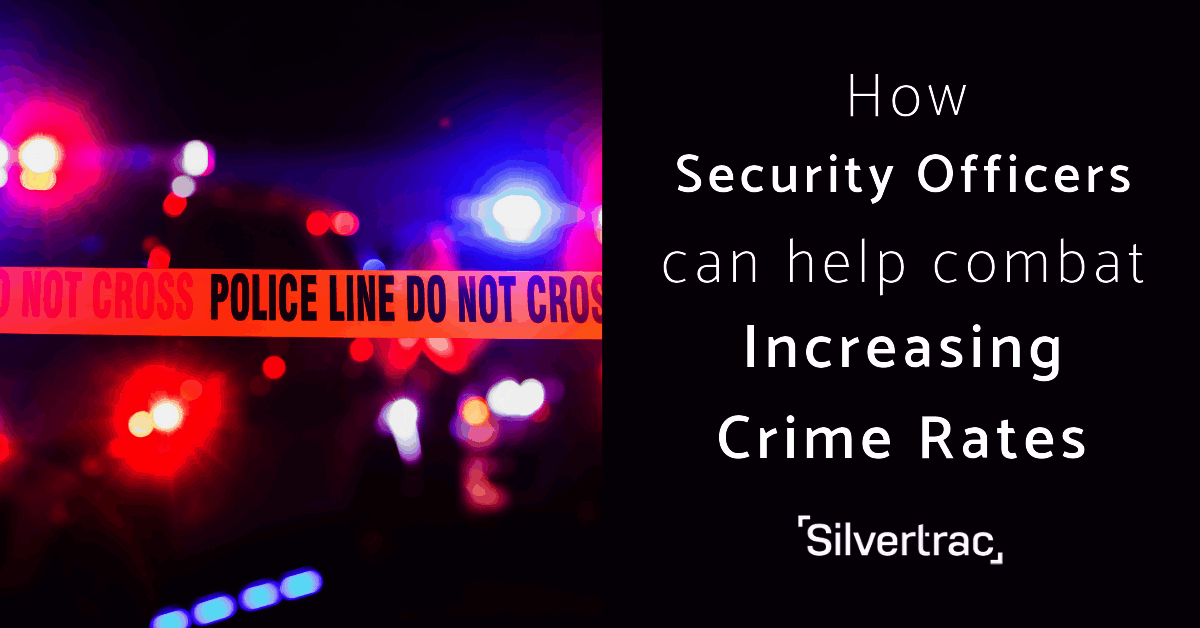
Recientemente, nos reunimos con Jonathan Álvarez, cofundador y director ejecutivo de Protective Force International (PFI), con sede en Las Vegas, para hablar sobre las tasas de delincuencia y sobre lo que el sector de la seguridad puede hacer para fomentar la comprensión y la concienciación de los ciudadanos en materia de seguridad.
Según los informes, las tasas de delitos contra la propiedad y de delitos violentos han ido disminuyendo desde principios de la década de 1990. Sin embargo, es importante que analicemos otros datos que indican que menos de la mitad de los delitos violentos y aproximadamente un tercio de los delitos contra la propiedad se denuncian a las fuerzas del orden.
Esto significa que la mayor parte de los delitos que se cometen en EE. UU. no se denuncian y no se tienen en cuenta a la hora de publicar las tasas de criminalidad. También hay datos que indican que los ciudadanos perciben que las tasas de criminalidad son más altas de lo que realmente son, lo que lleva a preguntarse: ¿se acerca más la percepción a la realidad que las estadísticas de criminalidad dispersas?
Editor’s note: This article is based on a 2019 interview, and the figures cited reflect data available at that time. Crime trends vary by city and year, so check current local data before you use it in a client proposal.
Puntos clave
- Reported crime is only part of the picture.
Many violent and property crimes are never reported, so perceived risk often runs ahead of published statistics. - Uniformed presence deters crime.
Visible, well-trained officers remain one of the strongest deterrents a site can have. - Sell with education, not fear.
Clients respond to a clear explanation of the risk and what you will do about it. - Training is the product.
De-escalation and communication skills justify a higher price point and protect your officers. - Prove your value with data.
TrackTik turns patrols, incidents and response times into evidence clients can see.
¿Por qué aumentan las tasas de delincuencia?
According to Jonathan’s recent experiences, he firmly believes that crime is increasing. He told us about some of the tragic encounters he and his team have experienced over the last few years, including the tragic 2017 Route 91 Harvest Music Festival shooting.
Según un informe presentado por KTNV, entre 2017 y 2018 el Departamento de Policía Metropolitana de Las Vegas registró un drástico aumento en distintos tipos de delitos cuantificables. Las agresiones sexuales, más concretamente las violaciones, aumentaron en 137 casos; los delitos contra la propiedad aumentaron en 711 casos; y el resto de delitos violentos aumentaron en 223 casos.
When asked why he and others in the private security industry are seeing an increase in crime, Jonathan attributed it to fundamental issues within the home, creating a general lack of morals and indifference to potential consequences.
In one incident we discussed in detail, a teenager murdered an unarmed security officer, took a selfie at the crime, and was given a minimal $250,000 bail because the judge felt that the teen needed to attend school. It is reasonable to assume a 16 year old knows the difference between right and wrong, and likely won’t recognize the punishment for what it is. And with minimal consequences to such a horrific crime, no deterrent is created for perpetrators to refrain from similar criminal behavior in the future.
Entonces, ¿hacia dónde se dirige el sector de la seguridad a partir de ahora? ¿Cómo pueden las empresas de seguridad utilizar esta información para mejorar sus servicios y ofrecer un mayor nivel de protección? Para responder a estas preguntas, debemos dar un paso atrás y analizar cómo reacciona la población ante la delincuencia y las medidas de seguridad actuales.
«El concepto de seguridad, sobre todo aquí en Las Vegas, tiene una connotación negativa porque te hace pensar en Paul Blart. Cuando, en realidad, la mayoría de las empresas de seguridad están dirigidas por exmilitares o exagentes de las fuerzas del orden. Mi misión es cambiar esa connotación. Tenemos que hacer crecer este sector y elevar nuestros estándares». —Jonathan Álvarez
¿Qué ocurre tras una tragedia?
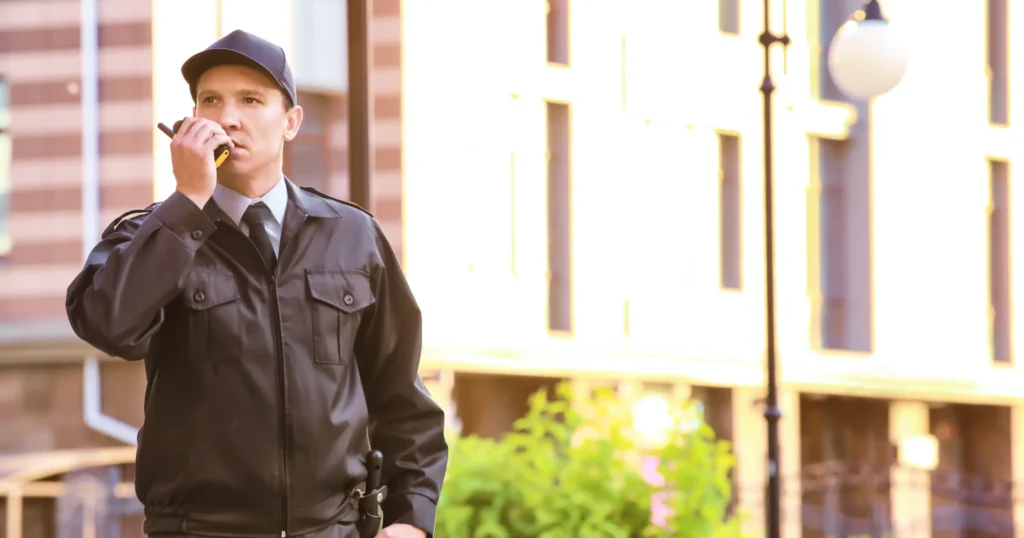
Cuando una comunidad sufre una tragedia, como un tiroteo masivo, aumenta su conciencia de la destrucción que puede causar una sola persona y crece el temor por la propia seguridad. Con el tiempo, esta conciencia vuelve a un nivel más normal de miedo, pero ver a un agente de policía o a un agente de seguridad uniformado puede reavivar la idea de que el mundo no es todo de color de rosa. Ver al personal de seguridad uniformado recuerda a los civiles que en el mundo hay gente mala.
Volviendo a la pregunta de verdad: ¿cómo afronta el sector de la seguridad estas realidades? A lo largo de su década de experiencia, Jonathan ha comprobado que el mero hecho de contar con personal de seguridad uniformado en las instalaciones supone un importante factor disuasorio frente a las actividades delictivas. Pero, ¿cómo conseguimos que más empresarios se convenzan de esta idea?
Como miembros del sector de la seguridad, es nuestra responsabilidad informar a los demás sobre lo que realmente ofrecen los servicios de seguridad privada. A través de la formación en el sector y la explicación de lo que ofrece una empresa, es mucho más probable que un posible licitador comprenda la necesidad de contar con seguridad in situ.
Intentar ganar una licitación recurriendo a tácticas intimidatorias nunca debería ser una estrategia habitual en la venta de productos de seguridad. La sociedad ya está lo suficientemente llena de angustia y desesperación como para tener que soportar además el aumento de los medios de comunicación que siembran el miedo. Depende del sector de la seguridad aportar comprensión y esperanza para lograr un mundo más seguro.
La formación se basa en nuestro propio conocimiento de las leyes, las normativas y los acontecimientos del sector. La justificación radica en las herramientas que incorporamos a nuestras empresas de seguridad y en el personal que contratamos.
With security management systems like Silvertrac and TrackTik, businesses have tangible data they can provide to legitimize the services that they offer. Real-time security incident reporting and accessible customer portals allow a potentially wary client to have full visibility into any of the data they need that will prove the worth of their security contract.
Cómo pueden prepararse los equipos de seguridad
El personal es igual de importante en esta fase del proceso de venta. Ningún posible licitador quiere verse atado a Paul Blart, el guardia de seguridad del centro comercial, un tipo divertido pero incompetente. Quieren saber que los agentes de seguridad que trabajan in situ cuentan con las habilidades y la dedicación necesarias para proteger su negocio, a sus empleados y a sus clientes.
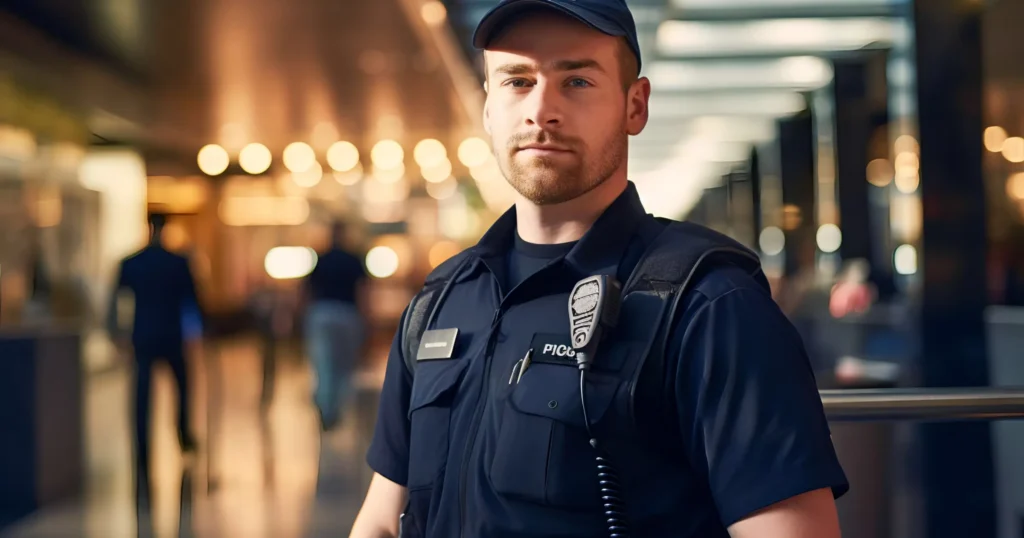
Los agentes de Jonathan van equipados con un cinturón de servicio muy similar al de un agente de policía real. Además del chaleco antibalas que deben llevar puesto, los agentes de PFI llevan una porra, una linterna, un spray de pimienta, esposas y una navaja multiusos como parte de su equipamiento diario. Casi la mitad de los agentes de Jonathan van armados, tal y como solicitan los clientes preocupados por el aumento de la violencia.
Each officer goes through mandatory training that provides them with verbal de-escalation and communication skills. Whether officers are armed or unarmed, Jonathan and his business partner ensure their team is continually trained so that when the scariest of incidents happen, each officer is prepared to protect their post, their team, and themselves.
La formación es uno de los aspectos más costosos de una empresa de seguridad. Sin embargo, al destinar una parte razonable del presupuesto a ejercicios de formación adecuados, el propietario puede crear una cultura de crecimiento continuo y un equipo de agentes más cualificados y comprometidos, lo que, en última instancia, permite ofrecer un mejor servicio que justifique un precio más elevado.
No escatimes en formación. Aprovecha los recursos y contactos del sector para impulsar el potencial de tu empresa de seguridad. Es muy probable que estén más que dispuestos a echarte una mano. Al fin y al cabo, ¡todos trabajamos para construir una comunidad más segura!
What Clients Concerned About Crime Want to See
Fear does not win contracts, but evidence does. Here is what clients worried about crime are really asking, and how to answer each question with proof.
| The client’s question | What to show them | How to prove it |
|---|---|---|
| Is security actually deterring anything? | Patrol coverage and visible presence at the right times | Verified guard tour checkpoints and time-stamped activity |
| What happened last night? | Clear, timely incident reports | Incident reports with photos, video and GPS, sent automatically |
| Are the officers trained for this site? | Expedientes de formación y certificación | Certifications matched to each officer and assignment |
| How fast do you respond? | Response times by incident type | Time-stamped dispatch records |
| Is the risk getting better or worse? | Trends across months | Incident and patrol dashboards reviewed together |
A Readiness Checklist for Higher-Risk Sites
- Reassess the site regularly. Walk it at different times, review local incident data and update post orders. These intelligence gathering tools for risk assessments are a good starting point.
- Match coverage to the risk. Schedule visible patrols at the times and places incidents actually happen.
- Train for de-escalation first. Build the communication skills in this de-escalation toolbox before anything else.
- Equip for the post. Where armed officers or specialized equipment are required, follow your state’s licensing and training requirements.
- Plan for the worst day. Document emergency procedures and escalation contacts, and learn how private security can partner with law enforcement.
- Protect your officers. Give solo officers a panic alarm and fall detection, and review these practices for keeping security guards safe.
- Debrief after serious incidents. Review what happened and update training and post orders while the lessons are fresh.
Prove Deterrence With Data, Not Fear
The core point of this conversation still holds: justification comes from the tools you use and the people you hire. Trackforce built TrackTik so the tool side of that equation produces evidence automatically.
- Visible, verified patrols. The TrackTik guard tour system confirms every checkpoint and flags missed ones to supervisors in real time.
- Incident reports clients trust. ReportPro AI helps officers turn quick field notes into clear, client-ready reports.
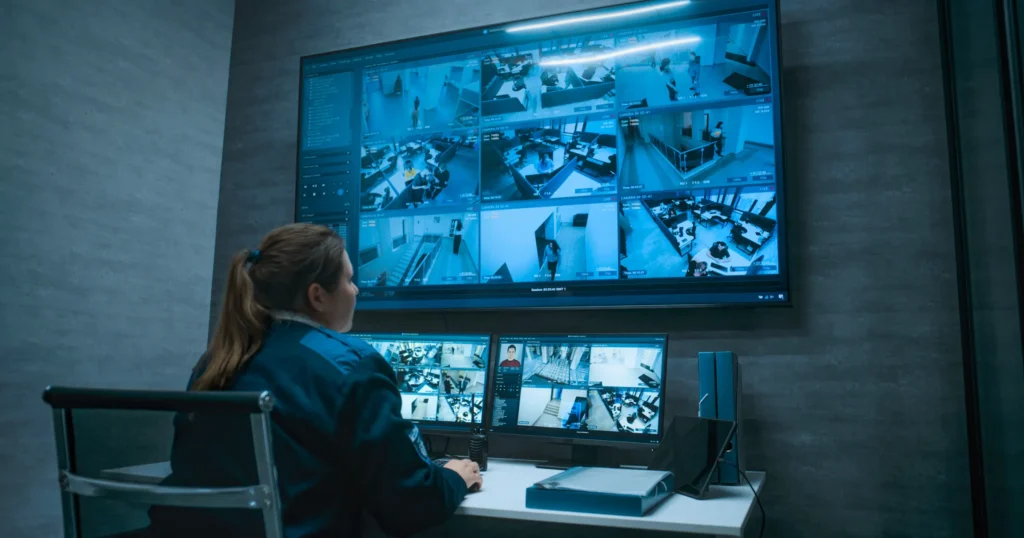
- A live view when it matters. The TrackTik Command Center consolidates alarm monitoring, video surveillance access and guard dispatch in one workspace.
- The right officer on every post. People management matches skills and certifications to each assignment.
- Trends you can bring to the client. Dashboards show whether incidents are rising or falling at each site, which turns a renewal into a review of results.
Ready to give clients proof instead of promises? Book a TrackTik demo.
Preguntas frecuentes
Últimos artículos

Recursos destacados





Descubre Trackforce en acción
Reserva una visita guiada con nuestro equipo y descubre cómo se adapta a tu negocio.