How Security Guards Shape Corporate Visitor Experiences

Trackforce
April 4, 2025 · 8 min read

Security officers play a valuable role in visitor management as gatekeepers against bad actors. Although people tend to think of breaches as a computer problem, many data breaches and security incidents start with the wrong person gaining physical access.
The stakes are high. IBM’s 2024 report put the global average cost of a data breach at $4.88 million, a 10% increase over 2023. Yet many breaches are preventable: research cited by KnowBe4 attributes 88 percent of breaches to human error. Whether it is a disgruntled former employee, an intruder or someone wandering into a restricted area by accident, unauthorized access can lead to data theft, loss of intellectual property and physical damage.
Well-trained officers are the first line of defense. They verify visitors, make sure only authorized people reach sensitive areas, and do it in a way that still feels welcoming. This article covers how officers shape the corporate visitor experience, how they prevent breaches, how to balance security with hospitality, and how TrackTik from Trackforce supports them. For the bigger picture, see the interconnected future of physical and cybersecurity.
Key takeaways
- Physical access is a breach risk.
The wrong person in the wrong room can cause as much damage as a cyberattack. - Officers are gatekeepers and ambassadors.
They protect the business and represent it to every visitor. - Prevention beats reaction.
Risk assessments, controlled entry, emergency readiness and patrols stop problems before they start. - Security and hospitality are compatible.
Pre-registration and fast check-in make strict access control feel effortless. - Digital visitor records matter.
The TrackTik Visitor Management module shows who is on site at all times, which is vital in an emergency.
Doing More for Visitor Management
The officer’s role in visitor management has changed significantly. It is no longer limited to checking IDs and handing out passes. Today’s security professionals help create a safe, efficient and welcoming environment for visitors and employees alike, which takes a combination of vigilance, customer service skills and comfort with technology. Officers are the first line of defense against threats and, at the same time, ambassadors for the organization they protect.
Critical visitor management duties
- Observe and assess. Officers are trained to recognize suspicious behavior, such as attempts to tailgate, loitering in restricted areas, bypassing checkpoints, or visible nervousness.
- Respond to threats. If a breach occurs, officers are trained to de-escalate, contain the situation and escalate to supervisors or police as the site’s procedures require.
- Maintain records. Accurate visitor logs and incident reports are essential for investigations and security audits, and officers are responsible for keeping them complete and current.
- Welcome guests. Officers protect the business and reflect it. Being welcoming and helpful, while staying alert, is part of the job.
The Visitor Journey: Where Officers Make the Difference
| Stage | The officer’s role | How TrackTik helps |
|---|---|---|
| Before arrival | Know who is expected and why | Visitors pre-registered by their host |
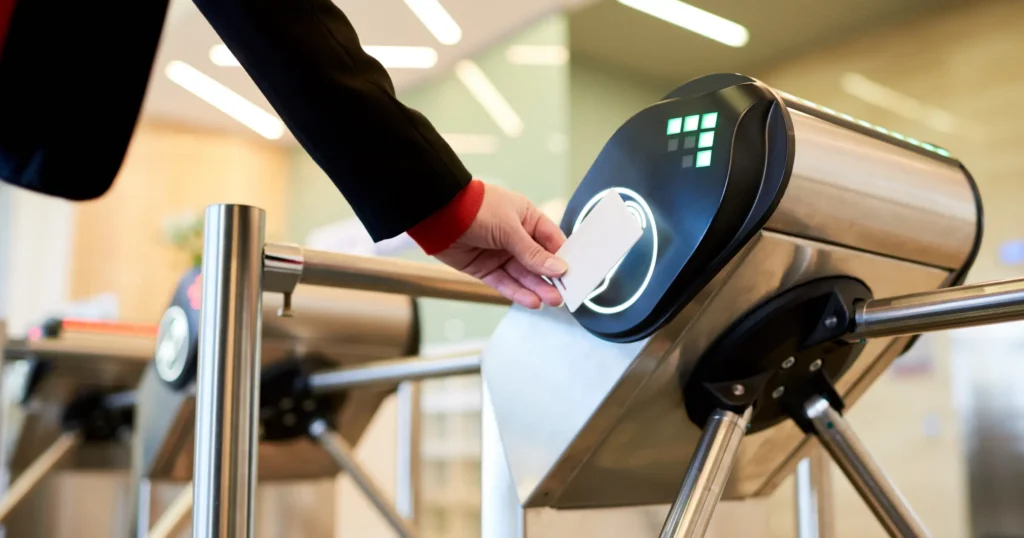
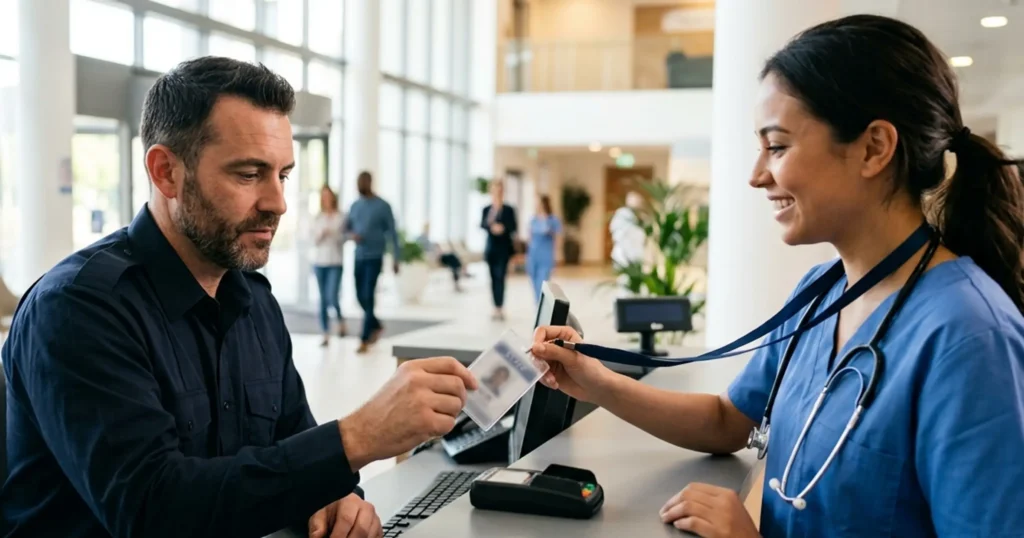
| Arrival | Verify identity and confirm approval | Fast digital check-in against the expected list |
| On site | Direct, assist and enforce access rules | Access permissions and live view of who is present |
| Departure | Confirm the visitor has left | Digital check-out closes the record |
| Emergency | Account for everyone during evacuation | An up-to-date list of everyone on the premises |
Preventing Security Breaches
The officer’s role extends far beyond responding to incidents. Proactive measures prevent threats before they materialize, and security professionals now play a central part in anticipating, identifying and reducing risk. These are the critical preventive measures officers use to protect premises and people:
- Risk assessments. The more officers know about their workplace, the better they can protect it. Understanding what could happen, what has happened and how to respond reduces risk. Intelligence gathering tools make assessments sharper.
- Take control of entry. Officers must control entrances and exits, and building occupants need to respect that role. Even when an employee waves and says their visitor is “just fine,” officers still need to check ID, know who is in the building and follow protocol. Clear post orders in TrackTik guard management give officers the backing to do it.
- Respond to emergencies. Officers prepare for many scenarios and must be ready when one happens, keeping employees and visitors safe during a breach, fire or medical emergency.
- Patrol and surveillance. Regular patrols deter threats and give officers the chance to confirm cameras and other surveillance equipment are working.
Officers are not just reacting to problems; they are preventing them. Increasingly, that prevention starts further out than the lobby, as the new security perimeter moves to the door and the gate, and it means verifying at every layer, the principle behind zero trust for physical security.
Balancing Security and Hospitality
The best corporate front desks feel welcoming and are still hard to get past. A few practices make that balance easier:
- Remove friction for expected visitors. Pre-registration means legitimate guests are greeted by name and processed in seconds.
- Explain, do not just enforce. A short, friendly explanation of why ID is needed earns cooperation.
- Apply rules consistently. The same process for everyone avoids awkward exceptions and protects officers from pressure.
- Train for service, not just security. Directions, wayfinding and knowing the building make officers genuinely helpful.
- Escalate quietly. Concerns about a visitor go to a supervisor discreetly, not in front of the lobby.
For the process side, two ways security companies mitigate risk in visitor management goes deeper.
Elevating Security Standards With TrackTik Visitor Management
Trackforce’s all-in-one security workforce management platform, TrackTik, includes a comprehensive Visitor Management module that makes it easy for officers to oversee and regulate site access.
- Enforce access control policies. Verify visitor identities, check pre-approved access and manage permissions from one central platform.
- Deliver concierge-level service. From pre-registering visitors to giving directions and assistance, officers can leave every guest with a positive impression.
- Automate check-in and check-out. Digital workflows speed up the process and replace paper logs with records that are easy to search.
- Know who is on site. Ongoing visibility of everyone on the premises makes it easier to spot unauthorized people and supports rapid evacuation.
- Connect to other systems. TrackTik integrations link visitor records with access control and other building systems, as described in how modern access control systems are changing security.
The module simplifies a potentially complicated process. Security teams get the tools to manage access, automate routine tasks, track who is present and connect to other systems: stronger security and a better visitor experience at the same time.
Measuring Visitor Management
Useful measures to review with facility and security leadership, reported through TrackTik business intelligence, include average check-in time, the share of visitors pre-registered, visitors still checked in after hours, access denials and their reasons, and incidents involving visitors or contractors.
Safe and Sound
Security officers are the first line of defense against breaches, and they also make the workplace a better place to be. Tools like the TrackTik Visitor Management module take security operations to a new level, combining human expertise with technology to create an environment that is both secure and welcoming. Book a TrackTik demo to see the Visitor Management module in action.
Frequently Asked Questions
Latest Articles



Featured Resources
See Trackforce in action
Book a walkthrough with our team and see how it fits your operation.