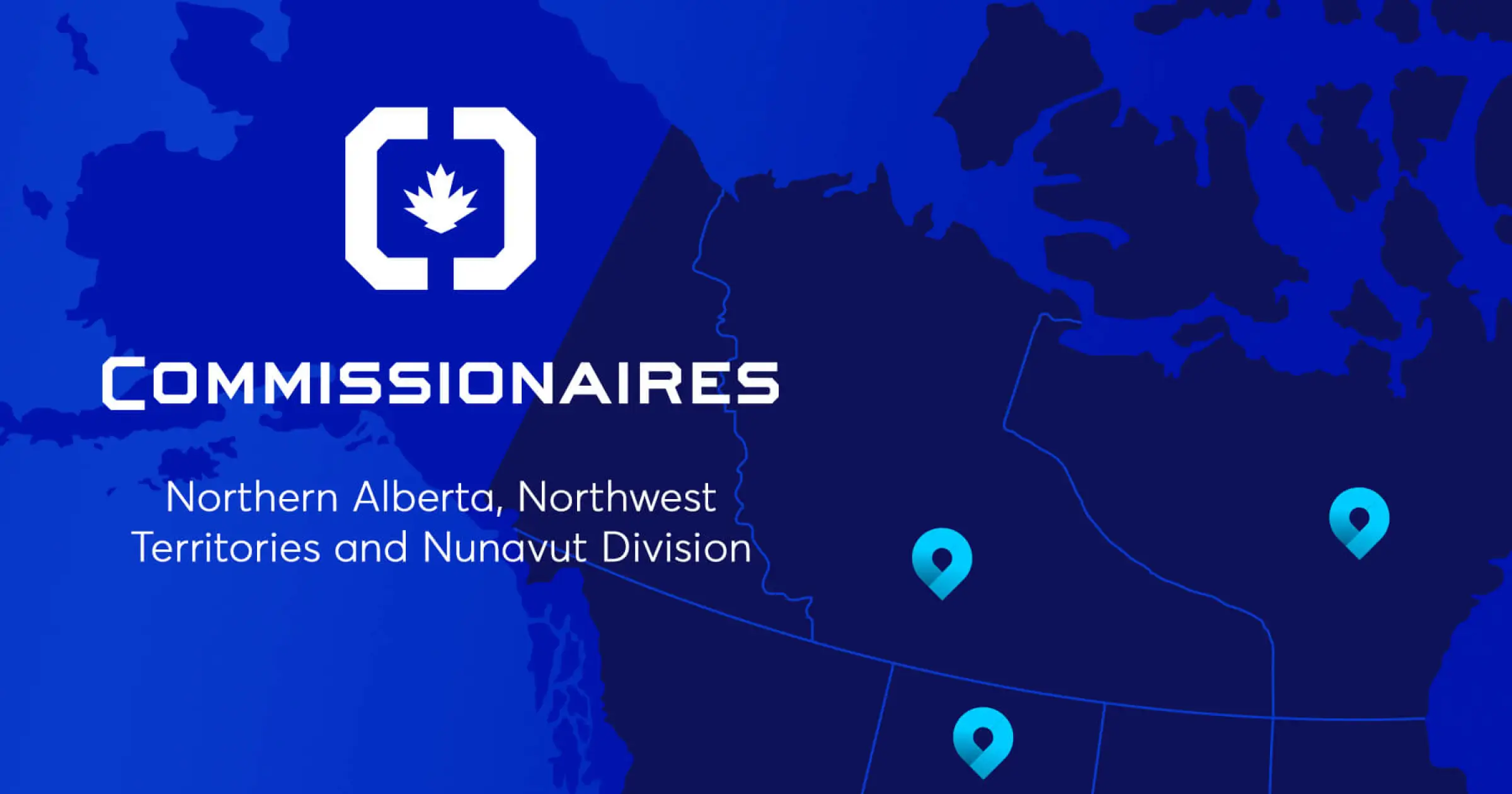
TrackTik Provides Mission-Critical Reporting Capabilities for the Commissionaires
Key takeaways
- Reports are shaped per site, not per company.
Patrol reports, alarm response reports and run sheets are tailored to specific sites or groups rather than forced through a single template. - Checkpoints carry instructions, not just scans.
Prompts attached to each checkpoint surface site-specific post orders at the moment the officer is standing there. - Adoption was quick because the interface is learnable.
New employees pick the platform up fast enough to run their daily tasks without a long ramp-up period. - Real-time reporting is what the client actually sees.
Clients get visibility into activity as it happens rather than a summary assembled after the fact. - The deployment kept growing after go-live.
The division added further reporting and patrol scheduling on top of the original rollout, with Trackforce underpinning service delivery across the region.
The ability to tailor patrol reports, alarm response reports, and run sheets to specific sites or groups proves invaluable to the Commissionaires of Northern Alberta, Northwest Territories and Nunavut Division.
For Commissionaires of Northern Alberta, Northwest Territories and Nunavut Division, TrackTik’s intuitive interface allows new employees to adopt, understand, and use TrackTik to perform their daily tasks quickly. The ability to add prompts to checkpoints, including site-specific post orders and real-time reporting, are must-have features that the Commissionaires use daily.
The company has since augmented its service delivery with additional reporting and patrol scheduling capabilities to augment further its ability to provide highly professional security support to the region.
“We could not imagine servicing our clients without TrackTik’s security workforce management solution.” John Slater, CEO, Commissionaires Northern Alberta, Northwest Territories and Nunavut Division.
Fill out the form below to access this case study and learn how TrackTik helped Commissionaires Northern Alberta, Northwest Territories streamline its security operations and provide valued real-time reporting to clients.
Frequently Asked Questions
Latest Articles




Featured Resources
See Trackforce in action
Book a walkthrough with our team and see how it fits your operation.