The Great Retention Crisis: Why 42% of Security Leaders Say High Turnover is Their #1 Challenge

Trackforce
March 6, 2026 · 4 min read

The Great Retention Crisis: Why 42% of Security Leaders Say High Turnover is Their #1 Challenge
Key takeaways
- Turnover outranks every other concern.
42% of security leaders named it their number one operational challenge in the Trackforce benchmark survey, ahead of budget, technology and client pressure. - The cost is not just recruiting.
Constant churn destabilises teams, drives training spend, and wears down morale on the sites that can least afford it. - Clients feel it before you report it.
Service quality drops and long-standing relationships weaken when the officers a client knows keep being replaced. - Wage pressure and labour shortage compound it.
Leaders are being asked to recruit smarter rather than simply pay more, because the talent pool itself has tightened. - Better workforce management is part of the answer.
Predictable scheduling, fair shift distribution and visible recognition of good work are all operational levers, and Trackforce gives leaders the data to pull them.
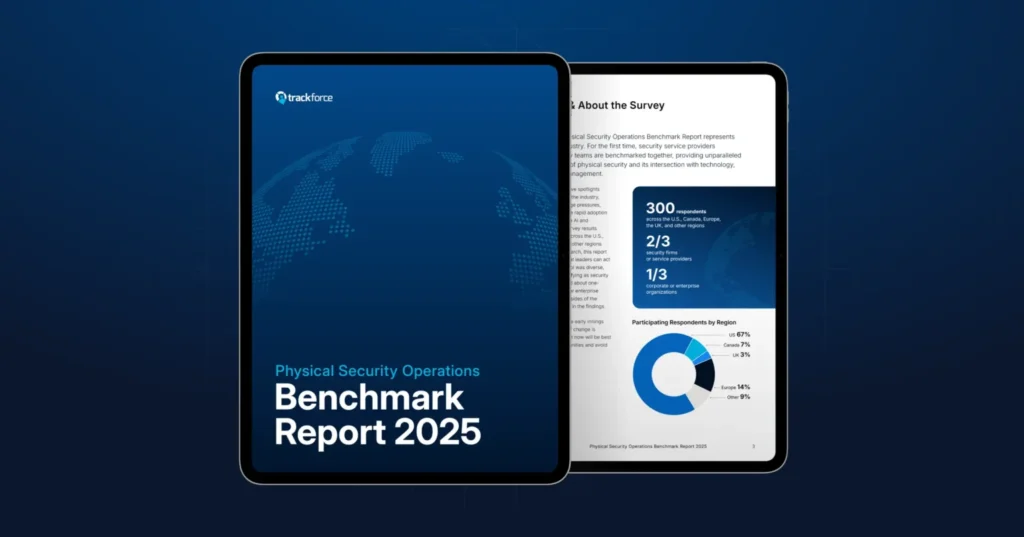
High turnover isn’t just a staffing headache—it’s the top operational challenge keeping security leaders up at night. In the Trackforce Physical Security Operations Benchmark Report, 42% of leaders ranked turnover as their number one issue, outpacing every other concern in the sector.
The implications run deeper than numbers on a spreadsheet. Constant churn disrupts team stability, increases recruiting and training costs, and strains team morale. For clients, the impact is just as serious: diminished service quality and weakened relationships that can erode long-standing trust.
Add to this the reality of wage pressures and an ongoing labor shortage, and the challenge becomes even more complex. Leaders are being pushed to recruit smarter and invest in new strategies that keep professionals engaged and supported on the job.
So, what works? Our survey data points to emerging strategies that could help organizations turn the tide. From smarter workforce management approaches to creative retention initiatives, the insights we’ll share offer a path forward for an industry under strain.
Frequently asked questions
Latest Articles





Featured Resources


See Trackforce in action
Book a walkthrough with our team and see how it fits your operation.