Preparing 800 Security Officers for Black Friday with Ed Garner

Trackforce
November 4, 2019 · 8 min read
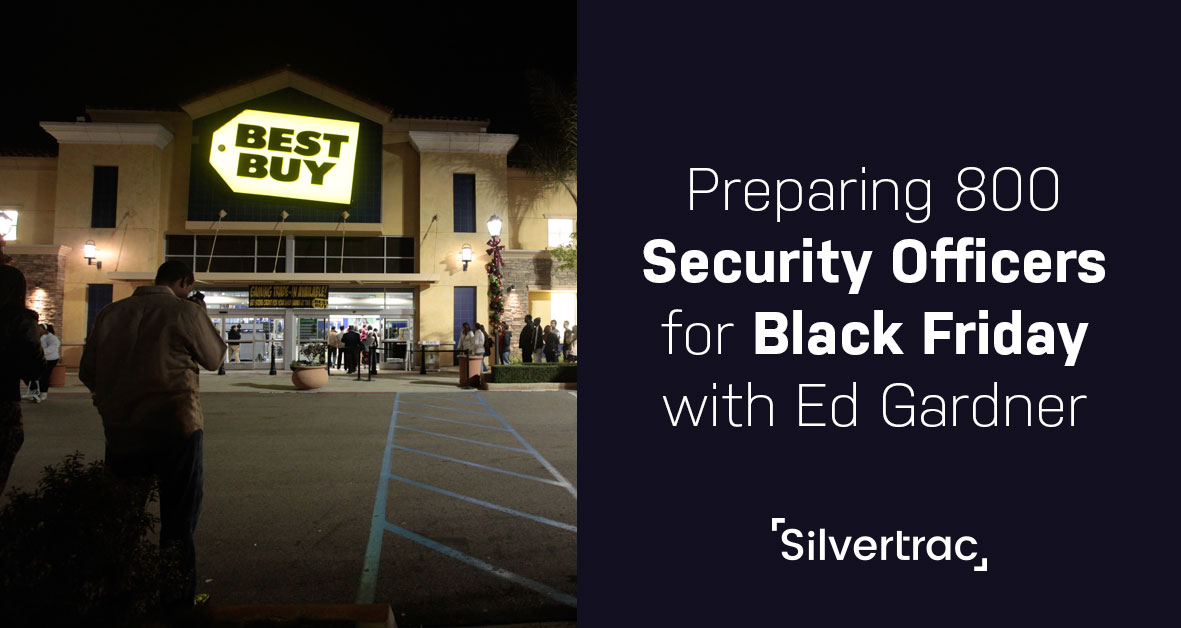
We have an awesome Black Friday themed interview today with Ed Garner of PES Security. Ed’s been doing this for 36 years, and he deploys over 800 security officers all over the state of Arizona each year to help protect customers from retail theft and work loss prevention. And with total revenue topping over $2 billion on the busiest shopping day every year, it presents a unique challenge for security teams.
Ed started out working concerts, rodeos, and other special events. He worked his way up, got involved in security at the Rose Bowl, and ended up managing security at the LA Coliseum in the early ’90s for the Los Angeles Raiders & University of Southern California Trojans.
After deciding he wanted to leave LA, he started his own business and has been running it for over 20 years. It has evolved from purely event staff work to more general security work for residential and commercial properties as well.
Key takeaways
- Seasonal scale arrives fast.
PES went from a single store to 35 statewide in eight years, deploying more than 800 officers on one day of the year. - The crowd problem changed shape.
Round-the-clock opening and staggered deals replaced the single door-busting surge with a continuous stream, which changes what officers are actually asked to do. - Rehiring beats recruiting.
Bringing the same temporary officers back year over year means most seasonal staff have already been through the training program once. - Refresher training still applies to veterans.
Experienced officers are doing unfamiliar work on Black Friday, so responsibilities and unusual situations need restating every season. - The client conversation happens before the shift, not after it.
Store layout, promotion timing, occupancy limits and expected technology all get agreed in advance, and Trackforce gives both sides one record of what was actually delivered on the day.
Black Friday Challenges
This is PES’s 8th year working Black Friday events, and it’s grown from just one store to 35 stores statewide with over 800 security officers. The craziness of door-busting holiday deals, as well as some of the horrible accidents that have happened in years past, create some serious challenges for security officers on the day after Thanksgiving.
This has led to a shift towards stores staying open 24/7 so that there’s no one giant mass of people stampeding when the doors open. Now, it’s a continuous stream of people throughout the day and night, with staggered deals throughout.
With the constant stream of shoppers, security officers have to be able to act as both crowd control managers and directors, informing customers where to go and when they can get certain deals. Duties can range from just adding numbers to the regular employees at the store, all the way to serious crowd control and loss prevention.
“We could have some people outside directing traffic, where they have actual barricades set up,” said Ed.
Training Seasonal Officers
Obviously, very few security guard companies are able to employ that many people throughout the year as full or part-time officers. So for those looking to cash-in on the unique needs of Black Friday, they will need to hire extra officers during this weekend throughout the rest of the holiday seasons, which can make life difficult. Training and onboarding new officers is always tricky, but especially during the busiest shopping day of the year.
One thing Ed does to manage this problem is rehire the same temporary officers year over year, so most of his seasonal officers for this season have gone through the training program before.
Even if you do have experienced employees, it’s still critical to do refresher training for seasonal officers. They’ll be doing something different from their usual tasks, so make sure everyone is reminded of their responsibilities and unusual situations they might encounter.
When you have to hire completely new employees, make sure to thoroughly vet them, and target people that have experience in special event security. For instance, Ed tends to hire a lot of his temporary security officers from the ranks of crowd management at Arizona State college football games.
Communicating With The Customer
Preparing for Black Friday doesn’t just mean getting your officers ready, it also requires good communication with the customer to get a good sense of their needs, how they plan to setup the store, and what they expect from your officers.
Some of the topics you may want to go over before hand with the customer are:
- Lighting and store layouts
- Timing of events and promotions
- What technology tools they expect in terms of video surveillance, guard management software, crowd control equipment, etc.
- Legal concerns such as maximum occupancy, fire exits & escape planning, or anything else related to safety guidelines
- How shoppers will be ticketed/monitored throughout the store
Your officers are there to complement the existing store staff, and that means working together in close cooperation and having a clear understanding of the roles and expectations for each party.
Be Prepared For Change
The rapid growth in Ed’s Black Friday business and the changing needs of retailers in recent years speaks to just how quickly things can change in the security industry.
“In this industry, you just can’t forget where you come from,” said Ed. “Everybody that seems to think that they know it all… you learn something new every single day in this industry, and it’s going to keep going like that because times have changed.”
Frequently Asked Questions
Latest Articles


Featured Resources



See Trackforce in action
Book a walkthrough with our team and see how it fits your operation.