Executive Protection in 2026

Trackforce
September 9, 2026 · 8 min read
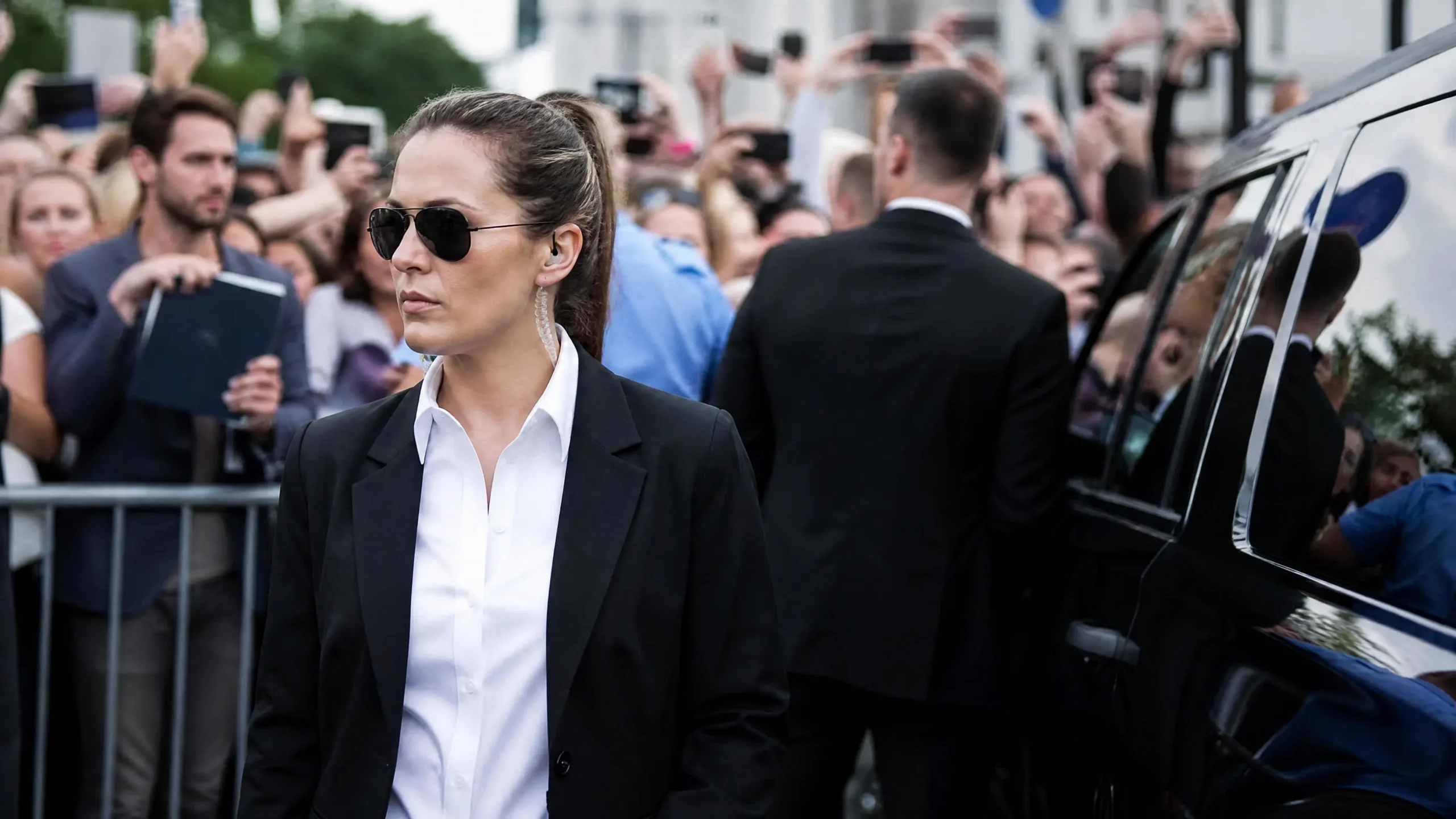
The numbers tell a stark story: executive security spending keeps climbing. Equilar’s most recent analysis of S&P 500 proxy filings found that 37.8% of companies provided a security perk to at least one executive in 2025, up from 23.6% in 2021. Median spending reached $130,468 in 2025, a 20% jump from the prior year.
Some companies have moved dramatically. Intel expanded its security spending by over 8,000% in a single year, from $3,000 in 2023 to nearly $250,000 in 2024. Blackstone reported the highest total security spending of any company in the 2025 dataset, at nearly $13.5 million.
The murder of UnitedHealthcare CEO Brian Thompson in December 2024 sent shockwaves through boardrooms worldwide, but the trend toward executive protection was already accelerating. UnitedHealth Group spent roughly $1.7 million protecting its top executives in 2024, and spent a similar amount again in 2025, a sign that this level of investment is becoming a standing cost of doing business rather than a one-time reaction.
Key takeaways
- Executive protection is now a standing budget line.
Equilar found 37.8 percent of S&P 500 companies provided a security perk to at least one executive in 2025, up from 23.6 percent in 2021, with median spending at 130,468 dollars. - The step changes are dramatic.
Intel raised security spending from 3,000 dollars in 2023 to nearly 250,000 dollars in 2024. Blackstone reported close to 13.5 million dollars. - The threat is cyber and physical at once.
A phishing email that leaks a travel itinerary becomes a physical exposure, so digital and on-the-ground protection can no longer be managed separately. - Static protocols break under global mobility.
An executive moving between New York, Dubai and Singapore in a week crosses three very different risk profiles in seven days. - Orchestration beats headcount.
Trackforce lets protection teams run live visibility, mobile tasking, incident documentation and dynamic scheduling from one operational layer instead of adding bodies.
The Threat Landscape Has Changed—So Should Your Protection Strategy
Executives today face a volatile mix of digital and physical threats:
- Social media exposure becomes real-time targeting
LinkedIn posts, tagged event photos, and location-based apps create digital breadcrumbs that bad actors can use to track executive routines. - Polarization makes executives symbolic targets
Leaders are increasingly seen not just as decision-makers, but as symbols of wealth, inequality, or political influence. This visibility adds new risk dimensions. - Economic tension fuels anti-corporate backlash
Layoffs, closures, and market instability can trigger personal resentment—sometimes manifesting in threats or attempted harm toward executives. - Global mobility increases vulnerability
An executive traveling between New York, Dubai, and Singapore in a week encounters vastly different security profiles. Static protocols can’t keep up. - Cyber threats bleed into the physical world
A single phishing email could leak a CEO’s travel plans. Cyber breaches now routinely expose executives to physical dangers.
From Bodyguards to Command Centers: The Evolution of Executive Protection
Traditional bodyguard-style protection simply can’t manage this threat complexity. What’s needed is an orchestrated system of intelligence, mobility, and rapid response.
That’s where real-time, centralized security operations come in.
Platforms from Trackforce allow organizations to manage executive protection like any other mission-critical operation—intelligently, flexibly, and transparently.
How Centralized Security Platforms Enhance Executive Protection
Live Visibility & Central Command
Real-time dashboards give security leaders immediate insight into executive movements, assigned resources, and emerging threats—all from a centralized interface. This level of situational awareness is essential when seconds count.
Field Team Coordination & Mobile Response
Whether you’re coordinating a last-minute airport sweep or assigning a security driver in a different city, Trackforce enables mobile-first tasking, shift coverage, and communication—all on one platform.
Integrated Reporting & Incident Management
Security teams can log incidents, submit risk assessments, and generate post-mission reports without switching systems. This not only improves compliance but creates a documented trail of accountability.
Smart Scheduling for On-Demand Resources
Executive protection isn’t 9-to-5. With Trackforce, protection teams can dynamically assign personnel based on executive calendars, travel plans, or venue risk profiles.
Cyber-Physical Threat Awareness
Because Trackforce supports integration with access control systems, license plate recognition, and third-party risk feeds, you get a connected picture of both digital and physical risk factors.
Balancing Safety and Executive Accessibility
The best executive protection programs are discreet. They keep leaders safe without surrounding them with a visible wall of security that interferes with leadership duties.
Trackforce’s real-time visibility and customizable SOPs ensure your team can:
- Coordinate low-profile protection for public appearances
- Rapidly shift resources based on dynamic risks
- Allow secure interactions with employees, press, and partners without disruption
The result? Security that protects without restricting.
Use Case: Coordinating a CEO’s Global Itinerary
Consider the complexity involved in protecting a CEO attending an investor conference in London, followed by a site visit in Houston and a keynote speech in Toronto.
With a centralized platform:
- Risk assessments for each location are filed and shared in advance
- Security officers are pre-briefed and scheduled with full itinerary context
- Emergency response protocols are accessible to all team members in real-time
- Live check-ins and GPS tracking provide peace of mind without requiring micromanagement
This isn’t just protection—it’s security orchestration at scale.
Future-Proofing Executive Protection
As threats evolve, executive protection programs must become more agile, data-driven, and technology-enabled.
Key trends ahead:
- AI-powered threat detection: Proactively identify risks from online chatter and news sentiment
- Drone monitoring & counter-drone systems: For event surveillance and perimeters
- Biometric access and facial recognition: For secure building and vehicle entry
- Cyber-physical fusion: Integrating digital threat intelligence with on-the-ground protection protocols
Trackforce is already helping security leaders prepare for this convergence by connecting people, data, and devices in a single operational layer within their leading security workforce management platform, TrackTik.
Executive Protection Is Risk Management
Executive protection is no longer a reactive service—it’s a proactive investment in leadership continuity, brand integrity, and shareholder confidence.
With a centralized, real-time platform like TrackTik, your team can deliver:
- Smarter deployments
- Higher executive trust
- Faster threat responses
- Measurable ROI
Executive Protection:
Tips from an Insider
Join Robert S. Tucker, Esq., a former NYPD, FBI, Secret Service, and U.S. Attorney’s Office-connected attorney and law enforcement executive, for tips on protecting high-profile individuals, executives, and sensitive information. You’ll walk away with practical strategies for capitalizing on executive protection trends, building public-private partnerships, and applying modern technology to today’s threats. The session also qualifies for 1 CPE credit toward APP, CPP, and PSP recertification.
Frequently asked questions
Latest Articles





Featured Resources
See Trackforce in action
Book a walkthrough with our team and see how it fits your operation.