Turning Average Security Guards into Top Rated Employees

Trackforce
August 7, 2018 · 10 min read
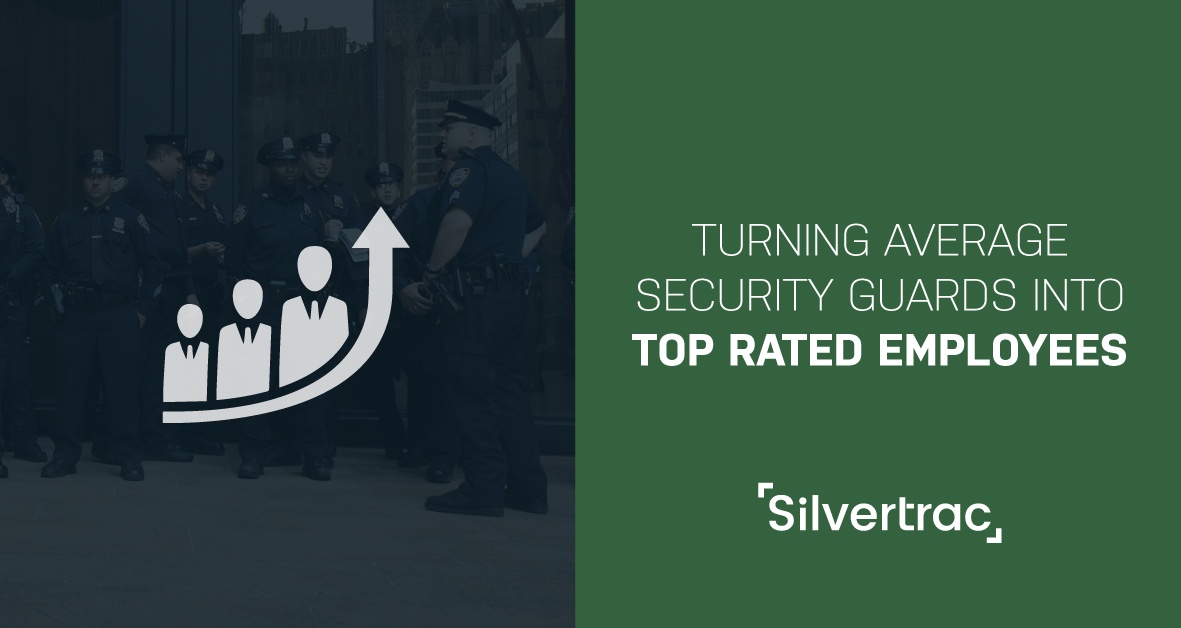
Turning Average Security Guards into Top Rated Employees
When you think of an average, “C” level guard, the words mediocre or unmotivated might come to mind. But C guards should be considered an opportunity for growth and stability for your security company.

Key takeaways
- Average guards are an opportunity, not a write-off.
Reliable, loyal “C” guards are the foundation of a stable guard force when you give them the right support. - Hire for dependability, not just the resume.
Steady, cooperative people often become your longest-serving officers. - Structure closes most performance gaps.
Clear post orders, checkpoints and site tasks help officers who struggle with memory or initiative do the job right every time. - Technology covers common weak spots.
With TrackTik, ReportPro AI helps with report writing, and manage-by-exception alerts flag missed requirements before a client notices. - Recognition and a path forward keep good officers.
Rewards and promotion opportunities turn average guards into loyal, top-rated employees.
The Story
When I managed my security company, I was constantly trying to find ways to get the most out of my guard force. I did what I could to hire top-notch officers, but the high performers ended up costing more and leaving within six months to further their careers in the military, law enforcement or other higher-paying industries.
So I got really good at getting the most out of the average guard, or as I called them, “C guards.”
Who Are Your “C” Guards?
Your C guards are the officers who show up when needed and are willing to put in the effort. They just lack, for whatever reason, some of the ability that a top-notch officer might have.
They might not have great writing skills, they might be forgetful, or they might lack some polish when dealing with people.
C guards have good intentions. They just can’t seem to reach the A level with their peers because of forgetfulness, experience or something outside their control. What they often bring instead is loyalty and reliability.
C guards are valuable but might need a little more encouragement and oversight. They are not lazy employees who try to cut corners.
The longer you spend in the security industry, the more you will realize that 90% of the guard management battle comes down to getting the most out of your C guards. And that battle starts in the hiring process.
Common C Guard Gaps and How to Close Them
Most C guard challenges fall into a handful of predictable gaps. The right process, supported by the right tools, closes each one.
| Performance area | Typical C guard gap | How TrackTik helps close it |
|---|---|---|
| Report writing | Short reports with missing details | ReportPro AI turns rough field notes into clear, compliance-ready reports |
| Site procedures | Forgets steps or special instructions | Digital post orders that require acknowledgement, with photos, video or PDFs |
| Tour coverage | Skips or rushes checkpoints | Checkpoint verification with live tracking and alerts |
| Initiative | Waits for direction | Clear site tasks and exception questions at each checkpoint |
| Supervision | Needs more check-ins | Manage-by-exception alerts so supervisors only step in when needed |
Start with Hiring
A hiring strategy that focuses only on sourcing the top 10% of available candidates will most likely leave you short on officers. You have to hone the ability to train C and B level guards into top-performing employees. These recruiting ideas for security companies can help widen your candidate pool.
The first step is identifying potential C guards during the hiring process. To find this untapped goldmine of employees, you’ll have to look past the resume in search of loyalty and dependability.
In my experience, the best long-term employees had steady, supportive personalities, what the DISC model calls Type S.
Look for Steady, Supportive Personalities
According to the DISC model, people with a Type S style tend to:
- Be motivated by cooperation, opportunities to help and sincere appreciation
- Prioritize giving support and maintaining stability
- Be calm, patient, predictable, deliberate and consistent
- Value loyalty, helping others and security
- Struggle with indecision, being overly accommodating and avoiding change
These traits make for great officers, but they’ll need some guidance, affirmation and training compared with officers who have a dominant style and want to lead, suggest changes and advance quickly. See the key traits that define a successful security officer for more on what to look for.
A note on personality assessments: Use DISC as a lens for interviewing and coaching, not as a pass or fail screening test. Base hiring decisions on job-related skills and behaviors, and apply the same criteria to every candidate.
After an officer was hired, I used technology and an involved management style to build them up and increase their performance.
Effective Guard Management
Getting the most out of C guards doesn’t end with standard training. You need to consistently demonstrate your commitment to them.
Give them opportunities to take on posts and responsibilities that fit their personality and preferences. TrackTik People Management matches skills and certifications to assignments, which makes it easier to place each officer where they will succeed.
Move them around to new sites periodically to show different parts of the company, until they find a role that works well for both parties. When you find that good fit, they’ll likely stay in that position for several years.
Use Automation to Monitor Performance
Guard management software lets you define what’s required at a specific site and receive alerts if those requirements aren’t met. TrackTik Guard Management delivers post orders officers must acknowledge, and a TrackTik security guard tour system flags missed checkpoints in real time.
Not only does that help your officers understand what’s expected of them, but it helps you get ahead of issues before they affect the relationship with the client.
With a guard management solution in place, you can put C guards on site and know that the job is getting done.
Close the Report Writing Gap
Weak writing is one of the most common C guard challenges, and reports are often the only part of the job a client sees. TrackTik ReportPro AI turns informal notes into clear, professional reports, while keeping the original version so supervisors can coach. Pair it with these report writing tips for security officers.
A 30-60-90 Day Plan for Developing C Guards
Structure turns good intentions into steady improvement. Use this plan with every new or struggling officer.
- First 30 days: build confidence. Pair the officer with a steady post, review post orders together and check in weekly. Our guide to training security guards to become security officers covers the fundamentals.
- Days 31 to 60: build consistency. Review checkpoint completion and report quality every week, and praise specific improvements.
- Days 61 to 90: build ownership. Add responsibilities that fit the officer’s strengths, and set goals for the next quarter.
Reward Loyal Guards
If an officer continues to put in the effort and shows readiness for more responsibility, consider a promotion to a higher-level role. Showing guards that there is a real career path in security encourages them to stay with the company.
Additional smaller-scale options for rewards could be providing recognition (an Employee of the Month plaque) or rewards (a gift certificate or movie ticket) for a job well done.
For more ideas, see these 10 strategies to reduce turnover, increase engagement and retain your security officers.
Measure Improvement with Data
You can’t improve what you don’t measure. Track a few indicators for each officer and review them in regular check-ins and performance reviews and post inspections.
- Checkpoint completion and on-time tours
- Post order acknowledgements after each update
- Report quality, including how often reports need corrections
- Attendance, including late arrivals and missed shifts
- Client feedback tied to the officer’s posts
TrackTik Business Intelligence dashboards visualize guard activity, incidents and compliance metrics, so you can see who is improving and who needs more support.
In Summary
Win the guard management battle by investing in your C Guards.
C guards can be a valuable asset and an opportunity to build a solid foundation for your guard force. To get the most out of your C guards:
- Hire dependable officers with steady, supportive personalities who value stability.
- Make your C guards feel like part of the team through training and regular communication with management.
- Maintain officer performance with technology that sets clear expectations and flags gaps early.
- Reward officers for a job well done with recognition and opportunities for growth.
Getting the most out of your C guards is the key to building a dependable workforce, and a dependable workforce is a major contributor to client retention and bottom-line growth.
Want to see how TrackTik supports every officer on your team? Book a TrackTik demo.
Frequently Asked Questions
Latest Articles





Featured Resources





See Trackforce in action
Book a walkthrough with our team and see how it fits your operation.