
Effective Overtime Management Strategies in the Security Industry

Trackforce
September 5, 2025 · 4 min read

Effective Overtime Management Strategies in the Security Industry
Effective overtime management is essential in the security industry, which employs significantly more personnel than full-time law enforcement, to ensure operational efficiency, legal compliance, and fair compensation for security officers.
vertime management is crucial for both operational efficiency and legal compliance in the security industry. This sector, which employs nearly ten times as many individuals as full-time law enforcement agencies in the United States, highlights the vital role of security guards and the complexity of their work schedules. Understanding how to manage overtime hours for security officers is essential for maintaining a balanced workforce and ensuring fair compensation.
Understanding the Legal Framework
The management of work schedules and overtime pay for security guards within the security industry requires a nuanced understanding of both federal and state laws. According to the Fair Labor Standards Act, 12-hour shifts, a common practice within the sector, are perfectly legal in the United States. However, the legislation does not delve into the specifics of shift lengths or the mandate of breaks, leaving these considerations to the discretion of the employer under the broad umbrella of state law. For instance, California has stringent requirements for meal periods on shifts extending beyond 10 hours, reflecting the diversity in statutory provisions across different jurisdictions.
Long Hours Impact Productivity and Efficiency
The rigorous demands of 12-hour shifts, while legally permissible, also present challenges related to employee well-being and operational efficiency. Despite the advantages of full-time employment status commonly granted to security personnel, which includes benefits not available to part-time workers, the toll of extended hours must not be overlooked. These long working days not only raise concerns about physical fatigue but also about mental exhaustion and its potential impact on judgment and responsiveness—critical faculties in the realm of security.
Strategic Shift Scheduling
Efficiently managing overtime in the security industry requires a strategic approach to shift scheduling. It’s about balancing the legal rights of security guards with the operational needs of the company. Firms like SFM Security have successfully navigated these waters, illustrating that with the right approach, reducing overtime costs and non-billable hours are within reach. To learn how to manage overtime effectively, organizations should consider leveraging advanced workforce management technologies and fostering an organizational culture that prioritizes the well-being of their employees.
Embracing Technology for Workforce Management
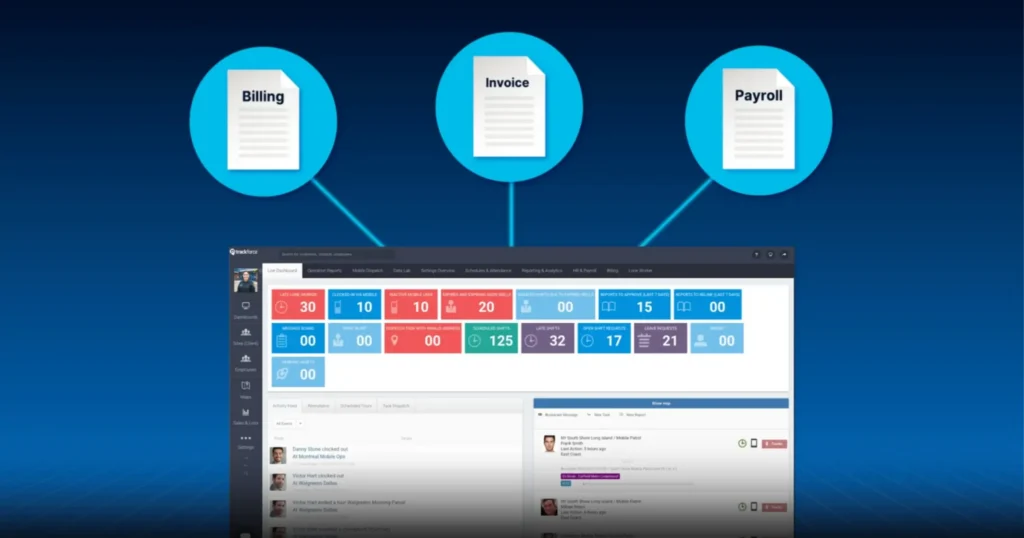
In today’s digital age, technological solutions offer unparalleled opportunities for streamlining shift schedules and managing overtime effectively. From software that automates scheduling to systems that provide real-time guard tracking of hours worked, technology is an ally in ensuring compliance and enhancing operational efficiency. It empowers security firms to adapt to the complexities of shift work, accommodating the varied and often unpredictable needs of their clients without compromising their legal obligations or the health of their workforce.
The Role of Leadership
Leadership plays a critical role in shaping the work environment and operational practices within the security industry. By advocating for fair working conditions, meticulous time reporting, and the ethical management of overtime, leaders can foster a culture of respect and compliance, ultimately leading to better control of overtime expenses and improved employee satisfaction. It’s about building a foundation of trust and reliability, not just with the clients served but also with the employees who stand on the frontline.
The Path Forward
As the security industry continues to grow, managing overtime effectively will remain a central challenge. Yet, it’s a challenge that also presents an opportunity—an opportunity to reevaluate existing practices, to embrace technological solutions, and to reinforce the commitment to employee well-being and legal compliance. For security firms looking to navigate the complexities of overtime management successfully, the journey begins with information, understanding, and strategic action.
This exploration only scratches the surface of what’s possible when security firms approach overtime management with the right tools and mindset. For a deeper dive into state-specific laws, strategies for minimizing non-billable hours, and real-life success stories, download our comprehensive whitepaper, “Guarding Overtime: Navigating State Laws and Eliminating Non-Billable Hours with Workforce Management Technology.“
Related Posts




Featured Articles
Insights and advice from Spear faculty and industry experts