
Your Security Guards are Now Retail Ambassadors
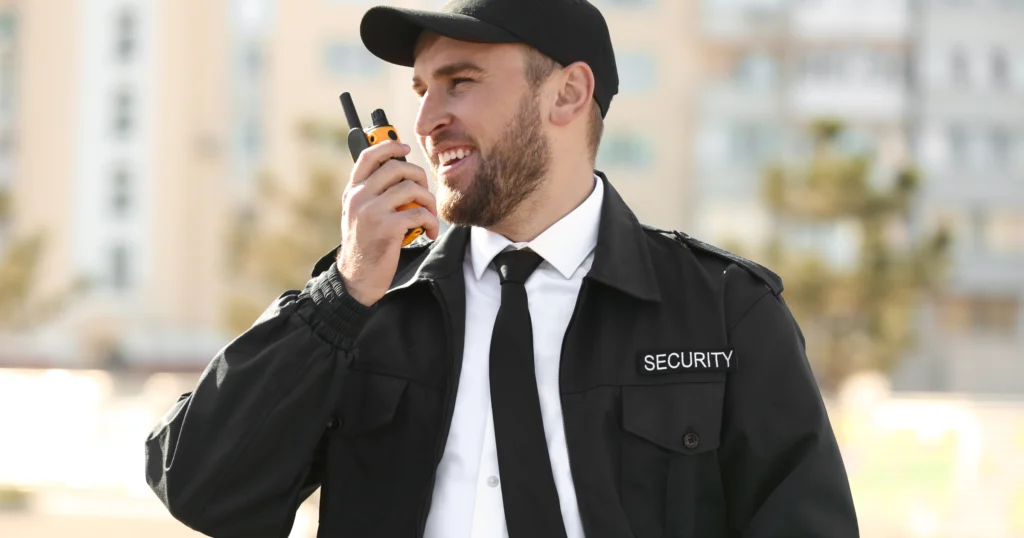
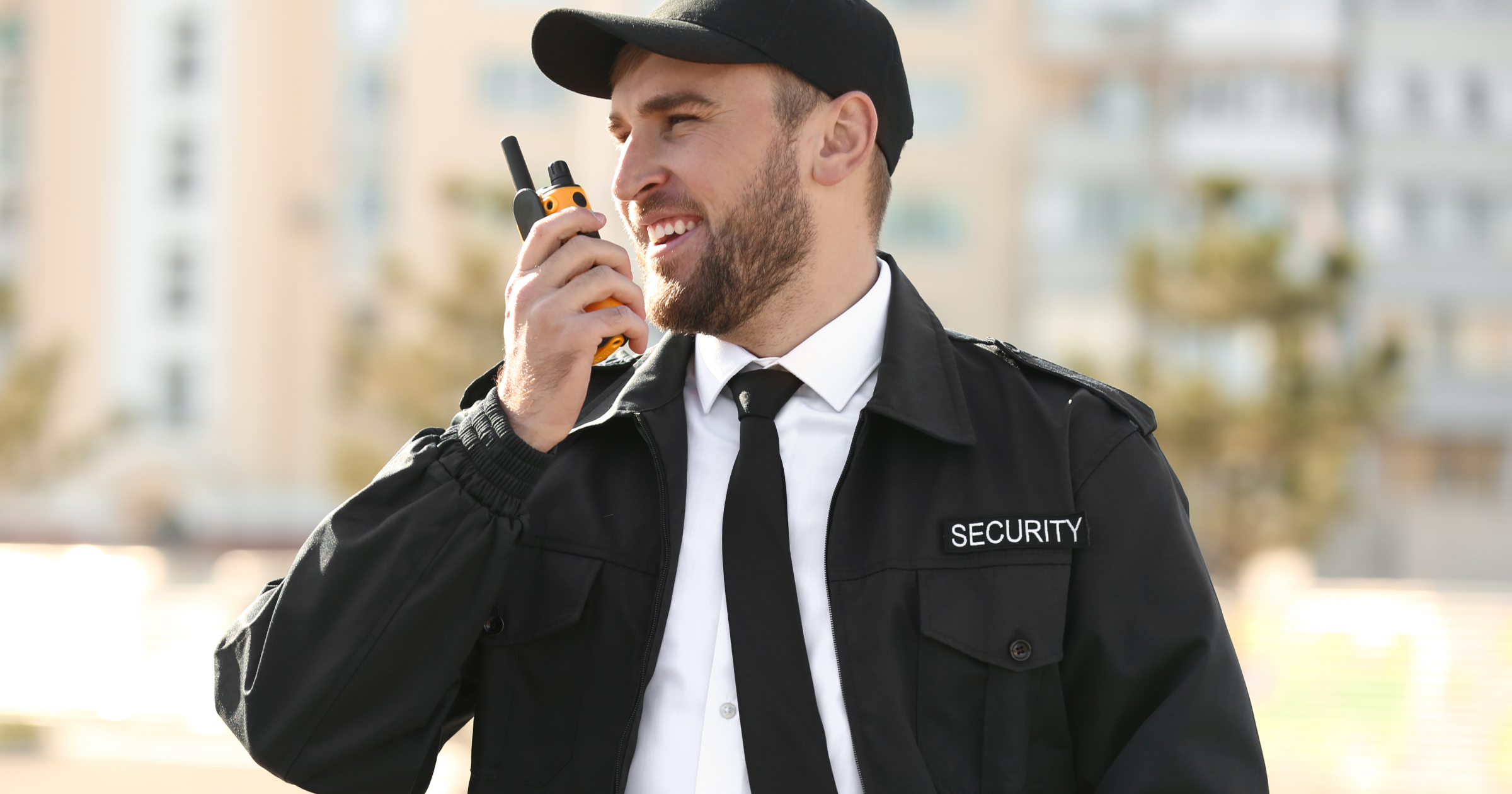
Security officers aren’t just the invisible shields preventing theft or managing emergencies, they are increasingly frontline brand ambassadors, shaping customer experience with every interaction. Nowadays, the role of the modern security guard extends beyond deterrence to experience management, where empathy, communication, and service skills can prevent conflicts, improve brand perception, and even deter threats before they escalate.
Why Service Skills Matter in Retail Security
Traditionally, security officers were evaluated primarily on their ability to respond to incidents. Today, retailers are recognizing that guards directly influence customer satisfaction. A security officer who can politely guide a shopper, assist a customer in distress, or quickly de-escalate a tense situation adds tangible value to the customer experience, not just safety.
Key reasons for emphasizing service skills:
- De-escalation before it escalates: Empathetic guards can calm agitated customers or diffusing potential theft situations with minimal disruption.
- Brand perception: Friendly, professional officers reinforce a store’s reputation for safe, enjoyable shopping.
- Operational efficiency: Guards trained in service skills reduce the need for manager intervention in everyday disputes.
Essential Skills for the Modern Retail Guard
To deliver both security and service excellence, guards need a blended skill set:
- Empathy & Communication: Listening actively, acknowledging customer concerns, and maintaining a calm, professional demeanor.
- Situational Awareness: Recognizing potential risks before they escalate, from shoplifting cues to crowd congestion during peak sales.
- Problem-Solving: Helping customers or staff navigate unexpected challenges (e.g., lost items, accessibility issues, or long checkout lines).
- Conflict Resolution & De-escalation: Using verbal techniques to defuse disputes and guide situations toward safe outcomes.
- Brand Awareness: Understanding the store’s culture, policies, and customer experience priorities to represent the brand effectively.
Integrating Customer Service Training into Guard Onboarding
Retail security teams should undergo dedicated customer service training, which can be integrated in multiple ways:
- Scenario-Based Training: Role-playing holiday rush situations, lost children, or disputes between shoppers.
- Soft Skills Workshops: Focus on active listening, empathy, and professional communication.
- Cross-Training with Store Teams: Understanding retail operations and product placement to assist customers effectively.
- Technology Training: Using mobile patrol apps, incident reporting tools, and communication devices to enhance both safety and service.
KPIs for Measuring Service + Security Effectiveness
Retail security teams can measure impact not only in incident reports but also in service-oriented metrics:
- Customer Feedback Scores: Incorporate security officers into customer satisfaction surveys.
- Incident Resolution Time: Track how quickly disputes or conflicts are resolved.
- Proactive Interventions: Count situations de-escalated before requiring managerial or law enforcement involvement.
- Employee Observations: Store staff can provide feedback on guards’ helpfulness and professionalism.
- Engagement Metrics: Patrol coverage versus high-traffic customer areas, ensuring visibility and approachability.
Challenges Facing Retail Security Providers
Managing security in busy or high-end retail environments is about more than just protecting assets. Providers must balance multiple priorities to ensure their teams are effective, approachable, and consistent across locations.
One key concern is staff readiness. With turnover common in the industry, keeping guards trained not only in safety protocols but also in customer service skills is critical. A gap in either area can impact both security outcomes and the shopping experience.
Another challenge is consistency. Large retail operations rely on uniform standards, from how officers interact with customers to how they report incidents. Ensuring every team member meets the same service and security expectations across multiple sites requires ongoing training and oversight.
Technology can help, but it’s a double-edged sword. Security officers need tools like mobile reporting apps or incident tracking platforms, yet overreliance can distract from customer interactions. Providers must ensure that technology supports, rather than replaces, human judgment and engagement.
Finally, compliance and safety remain top priorities. Guards must navigate the delicate balance of de-escalating conflicts while following legal and store policies, all while maintaining a welcoming presence for shoppers.
The solution is holistic: continuous training programs, clear KPIs for both service and security, and workforce management platforms , like Trackforce , that provide oversight without undermining the human touch. By fostering a culture that values both safety and customer experience, security teams can deliver outcomes that satisfy both retailers and shoppers alike.
Security officers are the new frontline, not just protectors, but ambassadors of experience. By integrating customer service training, measuring performance with KPIs, and recognizing real-world examples of exceptional service, security teams can enhance safety, elevate brand perception, and deliver a seamless shopping experience.
The takeaway for security leaders: Invest in your guards’ service skills as much as their security skills; the payoff is safer, happier, and more loyal customers.
