


The Hidden Security Gaps in Modern Fleet Operations
Fleet managers today have access to sophisticated telematics platforms that can track every mile, monitor driver behavior, and optimize routes in real-time. Yet while they’re focused on maximizing efficiency and reducing operational costs, many are overlooking critical security vulnerabilities that could cost them far more than any fuel savings.
The Alarming Rise in Fleet-Related Crime
The statistics paint a concerning picture. Cargo theft incidents jumped 27% year-over-year to a record 3,625 across North America in 2024, with the estimated average value per theft increasing 7.7%. This isn’t just a minor uptick—it represents a fundamental shift in how criminals are targeting fleet operations.
The methods are becoming more sophisticated too. Hijackings account for 21% of incidents, followed by theft of entire vehicles (20%), from facilities (16%), and from vehicles (14%). These aren’t crimes of opportunity; they’re organized operations targeting the weakest points in fleet security infrastructure.
The Technology-Security Disconnect in Fleet Operations
Most fleet management platforms excel at answering “where” and “when” questions:
- Where is my vehicle right now?
- When will this delivery be completed?
- How efficiently is my driver performing?
But they struggle with the “who” and “what if” questions that define security:
- Who has access to my depot after hours?
- What happens when a high-value shipment breaks down in an unsafe area?
- How do I coordinate security response when an incident occurs?
This creates dangerous blind spots where operational visibility ends and security gaps begin.
Four Critical Security Vulnerabilities Fleet Managers Miss
1. Depot and Facility Security Gaps
Your vehicles may be tracked 24/7 on the road, but what about when they’re parked? Most fleet operations involve multiple facilities—maintenance garages, fuel depots, parts warehouses, and overnight parking areas. These locations often lack:
- Coordinated security personnel scheduling
- Real-time incident reporting systems
- Integration between facility security and fleet operations
- Proper access control for after-hours activities
2. High-Value Cargo Protection Blind Spots
Standard fleet tracking tells you if a vehicle stops unexpectedly, but it can’t tell you if that stop requires immediate security intervention. For shipments containing:
- Electronics and consumer goods
- Pharmaceutical products
- Food and beverage items (the most targeted category)
- Executive transport passengers
You need security personnel who can respond appropriately, not just an alert on a dashboard.
3. Driver Safety During S tops and Layovers
Fleet telematics can track driving behavior, but driver safety during mandatory rest periods, fuel stops, and deliveries often goes unmonitored. Drivers become vulnerable when they’re:
- Sleeping in trucks at unsecured locations
- Making deliveries in high-crime areas
- Dealing with vehicle breakdowns in isolated areas
- Loading/unloading at facilities without proper security oversight
4. Incident Response Coordination Failures
When something goes wrong, fleet management systems excel at logging what happened but struggle with coordinating the human response needed. Critical gaps include:
- Delayed security dispatch due to lack of integrated workforce management
- Poor communication between fleet operations and security teams
- Inconsistent response protocols across different facilities and regions
- Limited visibility into security personnel availability and location
Bridging the Gap: Integrated Fleet and Security Operations
The solution isn’t replacing your existing fleet management platform—it’s integrating it with specialized security workforce management capabilities. This creates a comprehensive approach where:
1. Operational Intelligence Meets Security Response
- Vehicle breakdowns automatically trigger security escort dispatch
- High-value shipment routes are pre-coordinated with security personnel
- Depot activities are monitored by scheduled security staff
- Incident response teams have real-time access to both fleet and security data
2. Proactive Security Becomes Standard Operating Procedure
- Security personnel are scheduled based on fleet operational patterns
- High-risk routes and time periods receive enhanced security coverage
- Facility access is controlled and monitored consistently
- All security activities are documented and reportable
3. Cost-Effective Risk Mitigation
Rather than treating security as a separate cost center, integrated workforce management platforms like TrackTik allow fleet operations to:
- Optimize security staffing based on actual fleet patterns and risks
- Reduce insurance premiums through documented security protocols
- Minimize costly theft and incident-related downtime
- Maintain compliance with customer security requirements
How TrackTik Bridges the Fleet Security Gap
For enterprise fleet managers looking to integrate security workforce management with their existing telematics platforms, TrackTik offers purpose-built solutions that complement rather than compete with your current systems.
1. Seamless Integration with Existing Fleet Tech
TrackTik’s open API architecture allows direct integration with major telematics platforms like Samsara, Geotab, and Verizon Connect. This means your security operations can automatically respond to fleet events—vehicle breakdowns trigger security dispatch, high-value cargo routes pre-position security personnel, and depot activities align with guard schedules.
2. Enterprise-Scale Security Management
Unlike basic security scheduling tools, TrackTik handles the complexity that enterprise fleets require:
- Multi-location coordination across regional depots and facilities
- Compliance reporting that satisfies both internal audits and insurance requirements
- Real-time incident management with proper escalation workflows
- Mobile-first operations that work for security personnel in the field
3. Proven ROI for Fleet Operations
Enterprise clients typically see measurable improvements within 90 days:
- Reduced security incidents through better personnel coordination
- Lower insurance premiums via documented security protocols
- Decreased response times during fleet emergencies
- Improved visibility into security spend and effectiveness
TrackTik’s fleet security specialists work directly with enterprise fleet managers to design integration workflows that fit existing operational patterns, ensuring security becomes an enabler rather than a bottleneck in daily operations.
Taking Action: Start with Your Biggest Risk Areas
Rather than overhauling your entire security approach overnight, focus on the areas where your fleet is most vulnerable:
If you handle high-value cargo: Start by implementing coordinated security for your depot facilities and high-risk delivery routes. Even basic workforce scheduling for security personnel at key locations can significantly reduce your exposure.
If you operate executive transport: Ensure your security personnel scheduling aligns with your vehicle dispatching. A simple integration between systems can eliminate dangerous gaps in coverage.
If you have multiple facilities: Focus on standardizing access control and incident reporting across all locations. Consistent security protocols are often more effective than sophisticated technology deployed inconsistently.
If you’re dealing with insurance pressure: Document your security efforts properly. Many fleet managers already have security measures in place—they just can’t demonstrate their effectiveness to insurers due to poor documentation and reporting systems.
The reality is that most fleet security improvements don’t require massive capital investments. They require better coordination of the people and processes you may already have in place. The question isn’t whether your fleet faces security risks—it’s whether you’re managing those risks as systematically as you manage everything else in your operation.
Frequently Asked Questions
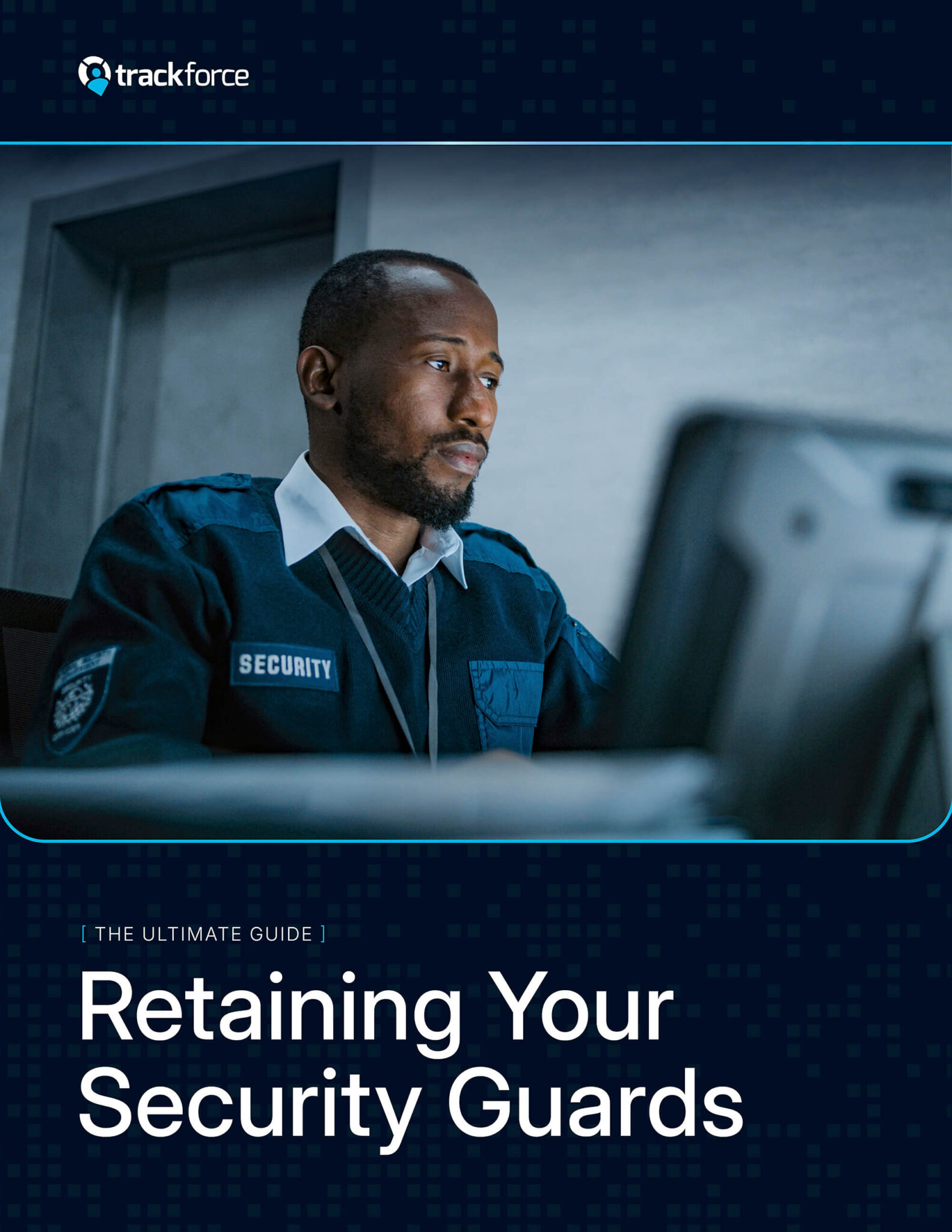
Want to understand all the factors driving guard turnover?
Download our comprehensive “Ultimate Guide to Retaining Your Security Guards” for actionable insights.
